
The Science of a Soggy Salad
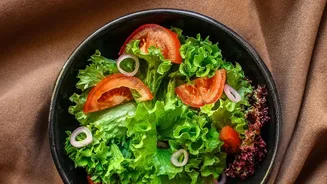
The primary enemy of a crisp salad is time. The moment a dressing, especially one containing acid like vinegar or lemon juice, touches delicate greens, it begins to break them down. This process, known as maceration, is what turns crisp lettuce into a limp,
wilted heap. The salt in the dressing also draws water out of the vegetables through osmosis, creating a pool of liquid at the bottom of the bowl and leaving the ingredients waterlogged. The key is to minimise the time your greens spend in contact with the dressing before they're eaten. Dressing a salad should be the absolute last step before it goes to the table.
The Importance of a Good Emulsion
Not all dressings are created equal. The secret to one that clings to leaves rather than drowning them is a proper emulsion. An emulsion is a mixture of two liquids that don't normally combine, like oil and vinegar. By whisking them together vigorously, the oil breaks into tiny droplets that get suspended in the vinegar. To make this emulsion more stable, you can add an emulsifier—an ingredient that helps the oil and vinegar stay together. Classic emulsifiers include Dijon mustard, honey, or even garlic paste. A well-emulsified dressing is thicker and creamier, meaning it will coat the ingredients evenly with just a light toss, ensuring every bite is flavourful without being saturated.
The Right Tools for the Job
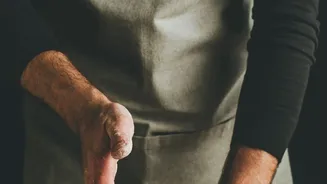
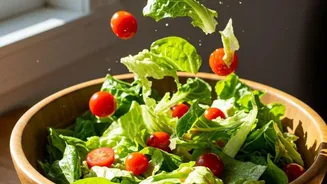
To properly toss your ingredients, you need space. Always use a bowl that is much larger than you think you need. This allows you to move the ingredients around freely without them spilling over the sides, ensuring every single leaf gets coated. While salad tongs are a common tool, many chefs and experienced home cooks argue that the best tools are your own clean hands. Hands allow you to be gentle with delicate greens, preventing bruising that tongs can cause. You can feel the texture and ensure the dressing is distributed evenly with a light, folding motion. If you prefer not to use your hands, a pair of large, light spoons used to lift and fold the ingredients is the next best option.
Mastering the Final Toss
Your ingredients are prepped, your dressing is emulsified, and your guests are seated. It’s time for the final toss. Start by adding only a small amount of dressing to the bowl—less than you think you need. You can either add it to the bottom of the bowl before the greens go in, as Ina Garten suggests, or drizzle it down the sides of the bowl rather than directly on top. Begin tossing gently, lifting from the bottom and folding the ingredients over. The goal is to make the leaves glisten, not swim. Taste a leaf. Does it need more dressing? Add a little more and toss again. This slow and steady approach prevents over-dressing and guarantees a perfectly seasoned, crisp result.
Beyond the Salad Bowl
This principle of a final, light coating extends far beyond leafy greens. Think about roasted vegetables, grain bowls, or pasta salads. For warm roasted vegetables, wait until they have cooled slightly before tossing them with a vinaigrette; this prevents them from becoming greasy. When assembling grain bowls, you can layer the components and then drizzle the dressing over the top right before serving. The idea is the same: you want the dressing to be a final flavour enhancer that complements the texture of the food, not something that fundamentally changes it by making it soft or saturated. By mastering this simple technique, you elevate the entire dish, ensuring every component is at its best.