






The New Career Counsellor
For fresh graduates in India, the job market can feel like a high-stakes, high-pressure battleground. Faced with immense competition and the anxiety of landing the right first job, it's no surprise they are seeking guidance. But where they are turning
is new. Recent studies show a massive shift, with a significant majority of Gen Z and Millennial professionals in India now regularly using AI at work and for career planning. One survey from Indeed noted that 71% of Indian workers use AI for work guidance and career choices. This turn to AI counsellors like ChatGPT and Gemini is driven by a need for instant, non-judgmental, and accessible advice—something traditional channels can't always provide. Many young professionals find it hard to get reliable guidance, and AI is filling that gap by being available 24/7 to answer any question, no matter how basic.
From Resumes to Role-Playing
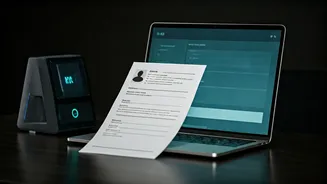
So, what are freshers asking their new AI mentors? The applications are broad and practical. The most common use is for job application materials. AI can draft a polished resume, write a compelling cover letter tailored to a specific job description, and optimise a LinkedIn profile with relevant keywords. But it goes deeper than that. Aspirants are using AI to simulate job interviews, generating potential questions and practising their answers to build confidence. They are also using it for career exploration, asking AI to identify high-growth industries, suggest roles based on their skills, and even map out potential career paths that they might be too hesitant to discuss with family or peers. This allows them to explore unconventional roles and understand the skills needed for future jobs.
The AI Advantage: A Great Equaliser
One of the most significant benefits of this trend is the democratisation of career advice. AI platforms can act as a great equaliser, providing sophisticated guidance to any student with an internet connection, regardless of whether they are in a major city or a small town. This bridges a critical gap, as many students in rural areas may not have access to professional career counsellors. For many, AI is a massive confidence booster. It helps them articulate their skills, prepare for tough interview questions, and navigate the confusing early stages of their career with a data-driven co-pilot. The ability to get instant feedback without fear of judgment helps reduce the anxiety and stress associated with the job search.
The Hidden Dangers: Bias and Bad Advice
However, relying solely on AI carries significant risks. These models are trained on vast amounts of internet data, which can contain inherent biases related to gender, race, and background. An AI might inadvertently steer candidates toward or away from certain roles based on these biases. Furthermore, AI models are known to "hallucinate" or simply get things wrong, potentially providing outdated market information or fabricating job details. HR professionals have also noted a surge in AI-generated resumes that look flawless but may embellish or fake experiences, making it harder for recruiters to spot genuine talent. This has led to an increase in low-effort, spammy applications that can slow down the hiring process for everyone.
A Tool, Not a Guru
Experts and HR leaders agree that while AI is a powerful tool, it is not a replacement for human connection. A growing consensus suggests a hybrid approach is best, where AI assists with tasks like research and drafting, but human mentors provide nuance, emotional support, and real-world networking. Seasoned recruiters are already adapting, developing methods to see past the polished, AI-generated facade by using practical assessments and in-depth discussions to gauge a candidate's true abilities. An AI can't offer you a word of encouragement after a tough rejection, introduce you to a key contact in your industry, or understand the subtle cultural dynamics of a workplace. That wisdom still comes from people.