


Beyond the Monument Selfie
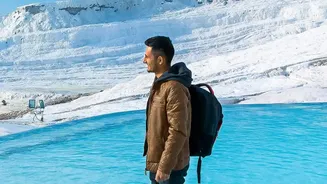
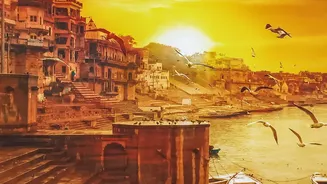
For decades, travel was a checklist: see the famous fort, snap a photo at the iconic monument, and buy a souvenir. Today, a fundamental shift is underway, especially among Millennial and Gen Z travellers. They are moving away from this passive model towards
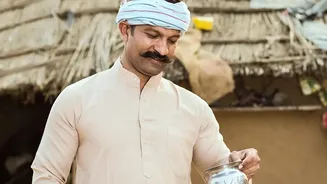
something more immersive and personal. This new approach, known as 'experiential travel', is less about where you go and more about what you do when you get there. It's the difference between looking at a historical site from a distance and taking a workshop with a local artisan to understand their craft, or choosing a homestay to share stories and meals with a family instead of opting for an anonymous hotel. It’s a journey that prioritises feeling, participation, and connection over simply collecting destinations.
The 'Why' Behind the Shift
Several factors are fuelling this change. The influence of social media is undeniable, but not just for showcasing 'Instagrammable' backdrops. Platforms are now discovery tools for unique activities, pushing travellers towards experiences that tell a better story than a landmark photo. There's also a growing desire for authenticity in a digitally saturated world. Young Indians are seeking genuine connections and personal growth, which travel provides. Furthermore, this generation is more willing to invest in memories. One report noted that 81% of young Indian travellers prefer luxury travel, defined as personalised experiences, over a lavish wedding. The traditional annual vacation has been replaced by more frequent, shorter, and spontaneous trips, making travel a regular part of life rather than a rare event.
What Does an 'Experience' Look Like?
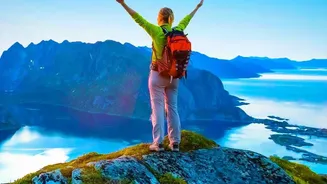
Experiential travel isn't one-size-fits-all. It's a broad church that includes a variety of niches, all growing in popularity. Music festivals like Ziro in Arunachal Pradesh or cultural events like the Hornbill Festival in Nagaland are now major travel magnets, with many young people planning entire trips around them. Wellness tourism is another booming sector. Travellers are heading to destinations like Rishikesh and Dharamshala not just for the views, but for yoga retreats, meditation, and a general disconnect from urban chaos. Adventure travel is also on the rise, with everything from Himalayan treks to water sports gaining traction as people seek both a physical challenge and a connection with nature. Even food has become a primary travel driver, with culinary tours exploring regional specialities becoming a holiday in itself.
The Rise of the Workation
Perhaps the most significant enabler of this new travel mindset is the rise of remote and hybrid work. The 'workation' — where professionals work from a scenic or new location without taking formal leave — has become a popular way to blend productivity with a change of environment. Rather than choosing between work and travel, young Indians are doing both simultaneously. This trend has allowed them to explore destinations for longer periods, moving beyond a weekend getaway to a multi-week stay. According to one survey, 45% of all Indian travellers planned a workation in 2026, with the average duration extending from a few days to a full week. This has given rise to 'slow travel', the practice of staying in one place for an extended time to absorb the local culture, which now accounts for a significant portion of the global travel market.
A Ripple Effect on the Industry
This shift in consumer behaviour is forcing the entire travel industry to adapt. Hotels are no longer just selling rooms; they are curating experiences. Tour operators are creating specialised itineraries focused on everything from community-led tourism to wellness retreats. There's a growing preference for unique stays like boutique homestays and villas that offer a more personal touch. Destinations are also being repositioned to highlight their unique cultural offerings, not just their landmark attractions. This trend benefits local economies by directing tourist spending towards small businesses, local guides, and artisans, fostering a more sustainable and socially conscious approach to travel.