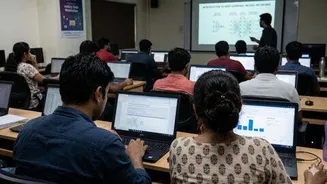








The Great Decentralisation of Tech Jobs
Not long ago, the path for a tech graduate was clear: get a degree, then get a job in Bengaluru, Hyderabad, Pune, or another Tier-1 city. These metropolitan hubs were the undisputed epicentres of India's IT boom, concentrating talent, companies, and opportunities.
This model created powerful ecosystems but also led to overcrowded cities, high living costs, and intense competition for a finite number of roles. That era of concentration is now giving way to a period of decentralisation. A structural shift is underway, driven by improved digital infrastructure, government policy, and a strategic push by companies to find talent and growth in new frontiers. The playbook of hiring exclusively in metros is becoming outdated.
The Rise of Tier-2 and Tier-3 Hubs
The most significant change is the rapid emergence of Tier-2 and Tier-3 cities as legitimate tech hubs. Cities like Jaipur, Indore, Kochi, Coimbatore, and Nagpur are no longer just 'backup options' but strategic locations for major companies. In fact, recent data shows hiring growth in Tier-2 cities is more than double that of their Tier-1 counterparts. This boom is fueled by several factors: a lower cost of living, reduced operational overheads for companies, and access to a large, untapped talent pool. For graduates, this means the opportunity to build a high-tech career without leaving their home states, enjoying a better work-life balance and contributing to local economic growth.
Every Company Is Now a Tech Company
The broadening of the market isn't just geographical; it's also sectoral. The demand for tech talent is no longer confined to IT services and software companies. Industries like Banking, Financial Services, and Insurance (BFSI), manufacturing, healthcare, and retail are undergoing massive digital transformations, creating a surge in demand for tech professionals. These so-called 'non-tech' sectors are hiring for roles in data analytics, AI, cloud computing, and cybersecurity to innovate and stay competitive. For a new graduate, this means a tech career could be in a fintech firm revolutionising digital payments, an automotive company developing smart vehicles, or a healthcare provider building telemedicine platforms.
The GCC Engine Driving Expansion
A major force behind this expansion is the boom in Global Capability Centers (GCCs). India is now home to over 1,800 GCCs, which are R&D and innovation hubs for multinational corporations, employing nearly 2 million professionals. These centres are increasingly setting up operations in Tier-2 cities to tap into fresh talent pools and optimise costs. GCCs are hiring for high-value, specialised roles in areas like AI/ML, data science, and product engineering, often paying a premium compared to traditional IT firms. This trend offers graduates the chance to work on global projects and cutting-edge technologies from a wider range of locations across India.
What This Means For You, The Graduate
This new, distributed landscape offers unprecedented choice but also demands a new approach. The most in-demand skills are no longer generic coding abilities but specialisations in AI, machine learning, data science, cloud computing, and cybersecurity. These are the skills that both tech and non-tech companies are desperately seeking, with demand often outstripping supply. Graduates who are adaptable and continuously upskill will have a significant advantage. The message from the market is clear: look beyond the traditional hubs and roles. Your dream tech job might be in a city you never expected, in an industry you hadn't considered, offering a better quality of life and a chance to be part of India's next wave of growth.