




Feeling drained by city life? You're not alone. A thick blanket of smog and the relentless pace of work are pushing urbanites to seek refuge. But instead of a remote escape, many are finding restoration in an unlikely place: another city.
The Rise of the Urban Recovery Holiday
Forget frantic
sightseeing and jam-packed itineraries. A new travel trend is emerging, born from modern pressures: the 'urban recovery holiday'. It's a short, intentional break designed not for exploration, but for restoration. The goal is simple: escape the physical and mental strain of your own city—specifically the hazardous air quality and chronic stress—by retreating to a different urban environment that offers a slower pace and cleaner air. This isn't about collecting experiences for social media, but about finding a quiet space to breathe, sleep better, and disconnect from the daily grind without the friction of planning a complex, long-distance trip.
Driven by Smog and Burnout
The timing of this trend is no coincidence. As winter approaches in northern India, air quality in major metropolitan areas like Delhi-NCR often plummets to 'severe' levels, making breathing difficult and outdoor life unpleasant. This annual smog season, combined with the pervasive stress of modern work culture, has created a dual trigger for escape. People are planning trips around Air Quality Index (AQI) forecasts instead of just long weekends. The need for a break is no longer a luxury but a necessity for physical and mental well-being, with studies showing that regular vacations can reduce stress, improve heart health, and boost mental clarity.
Choosing Your Urban Sanctuary
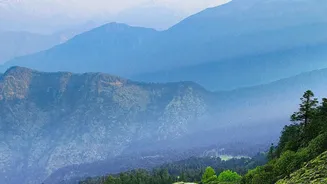
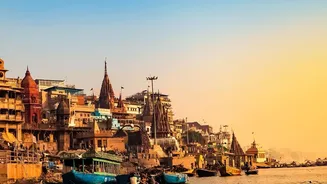
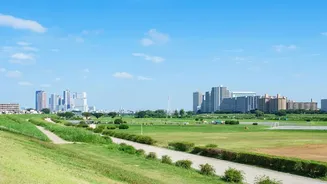
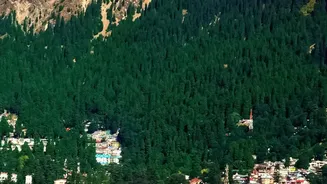
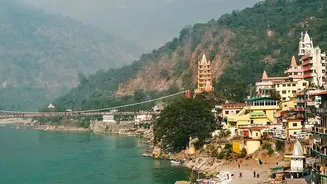
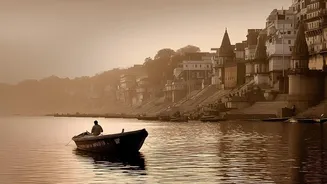
So, where are these travellers headed? The ideal urban sanctuary is often a city that combines green spaces, a manageable pace, and, crucially, better air. Planned cities like Chandigarh, with its ample gardens and organised layout, are a popular choice for a quick reset. Coastal towns such as Puducherry and Gokarna offer the dual benefit of sea breezes and a laid-back culture. Further south, cities like Bangalore, Coorg, and Wayanad provide a lush, green backdrop for recovery, nestled within the natural air-purifying landscape of the Western Ghats. Even cities with a rich spiritual heritage like Rishikesh and Varanasi are seeing a new wave of visitors seeking yoga, meditation, and a break from urban chaos.
More Than a Hotel: The Recovery Itinerary
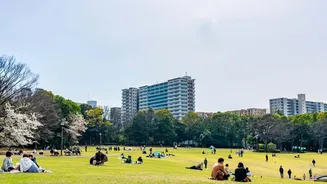
The activities on an urban recovery holiday are intentionally low_key. This is the essence of 'slow travel', which prioritises depth over breadth. Instead of rushing between landmarks, the focus is on wellness and mindful experiences. A typical day might involve a long walk in a park, a visit to a local museum, a leisurely meal at a quiet cafe, or indulging in a wellness treatment like Ayurveda or a sound healing session. Many travellers are opting for boutique hotels, homestays, or wellness resorts that offer curated experiences designed for relaxation, from yoga classes to digital detox programs that encourage guests to truly switch off. The idea is to return home not exhausted, but genuinely refreshed.
The Comfort of a Familiar Escape
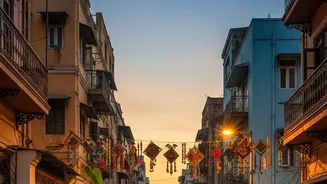
Part of the appeal of an urban recovery holiday lies in its psychological comfort. Escaping to another city avoids the potential stress and unpredictability of a full_blown rural or adventure holiday. You still have the familiar conveniences of urban life—good restaurants, comfortable hotels, easy transport—but without the personal triggers of your own home and workplace. It’s a change of scene without a culture shock. This trend acknowledges that for many, true rest isn't about roughing it; it's about finding a peaceful, clean, and comfortable environment to recharge before diving back into the routine. It proves that sometimes, the best way to escape the city is to find a better one.