




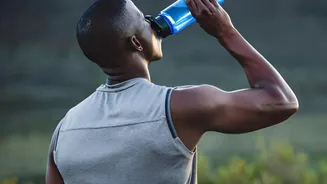


The Unseen Engine: What Are Electrolytes?
Think of electrolytes as the essential minerals that act as your body's internal electricians. When dissolved in water, minerals like sodium, potassium, magnesium, and calcium create electrically-charged ions. These charges are vital for countless functions,
from sending nerve signals that tell your muscles to contract to regulating your heartbeat and maintaining proper fluid balance. During a run, they are what keep your muscles firing correctly and your brain communicating clearly with the rest of your body. Without them, the entire system starts to sputter.
Why Summer Heat Is the Real Challenge
Running in the Indian summer's heat and humidity means you sweat—a lot. Sweat isn't just water; it's your body's way of cooling down, and it carries those crucial electrolytes out with it. Sodium is the primary mineral lost in sweat. The more intense the run and the higher the humidity, the faster this depletion occurs. This rapid loss can disrupt your body's delicate fluid balance, leading to dehydration, a significant drop in performance, and an increased risk of serious heat-related illnesses like heat exhaustion and heat stroke.
Listen to Your Body: Know the Warning Signs
An electrolyte imbalance doesn't happen suddenly; your body sends warning signs. The most common early indicator for runners is muscle cramping or twitching. Other signs include persistent fatigue that rest doesn't fix, dizziness, headaches, and nausea. Ignoring these signals can be dangerous. Severe depletion can lead to confusion, an irregular heartbeat, and collapse, which are symptoms of a medical emergency like heat stroke. Learning to recognise these early whispers from your body allows you to act before they become screams.
The Pre-Run Protocol: Start Strong
Your electrolyte strategy begins long before you lace up your shoes. Start your day well-hydrated. About two to three hours before your run, aim to drink around 500 ml of water. For runs planned in peak heat or for longer durations, consider what's called 'pre-loading'. This involves consuming an electrolyte-rich drink or a salty snack 30-90 minutes before you start. This simple step ensures your body's electrolyte stores are topped up, preparing you to better handle the inevitable losses through sweat.
Fueling on the Move: During the Run
For runs shorter than 60 minutes, water is generally sufficient. However, for any run lasting longer than an hour, especially in the heat, you need to actively replenish electrolytes. A good rule is to take in fluids and electrolytes every 45 to 60 minutes. This can be through sports drinks, gels, or electrolyte powders mixed with water. The goal is to take small, consistent sips to maintain steady levels without overwhelming your stomach. This proactive approach helps prevent the dip in energy and performance that comes with depletion.
The Recovery Window: Replenish and Repair
What you do after your run is just as important. The 30-minute window post-exercise is a crucial time for replenishment. This is where traditional Indian wisdom shines. A glass of nimbu pani, made with lemon, water, a pinch of salt, and a little sugar, is a near-perfect recovery drink. The salt replaces lost sodium, while the sugar helps the body absorb it faster and replenishes energy. Fresh coconut water is another excellent choice; it's packed with potassium, another key electrolyte for muscle function. Other great options include buttermilk (chaas), watermelon, or a banana to help restore your mineral balance naturally.
Store-Bought vs. Homemade Solutions
Commercial sports drinks and electrolyte powders are convenient and scientifically formulated to provide a specific balance of minerals. They are an excellent, reliable option, especially during long races or intense training. However, they are not your only choice. For most daily runs, homemade solutions are just as effective and more affordable. A simple mix of water, a pinch of salt, a squeeze of lemon, and a teaspoon of honey provides sodium, potassium, and carbohydrates for energy. The best approach is often a combination: using natural, homemade drinks for regular training and saving the commercial products for more demanding efforts.