




1. The Classic Dutch Braid Halo
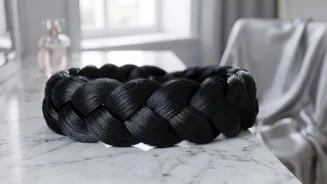
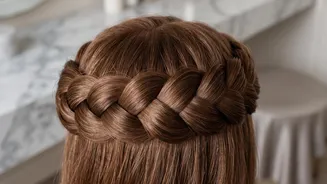
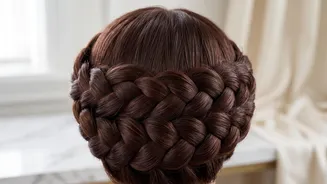
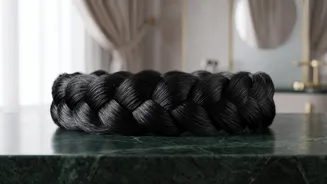
The most recognizable version, the Dutch braid halo, creates a prominent, raised braid that sits on top of the hair like a crown. This style is achieved by starting a Dutch braid (where you cross the strands under, instead of over) near one temple and gradually
working your way around the entire hairline. As you braid, you continuously incorporate small sections of hair until you've gone all the way around. The end of the braid is then tucked and pinned discreetly under the starting point, creating a seamless, continuous circle. This technique offers a polished, regal look that works beautifully for both formal events and elevated everyday wear. It’s particularly effective on shoulder-length or longer hair, as it requires enough length to complete the full circle.
2. The Romantic Fishtail Halo
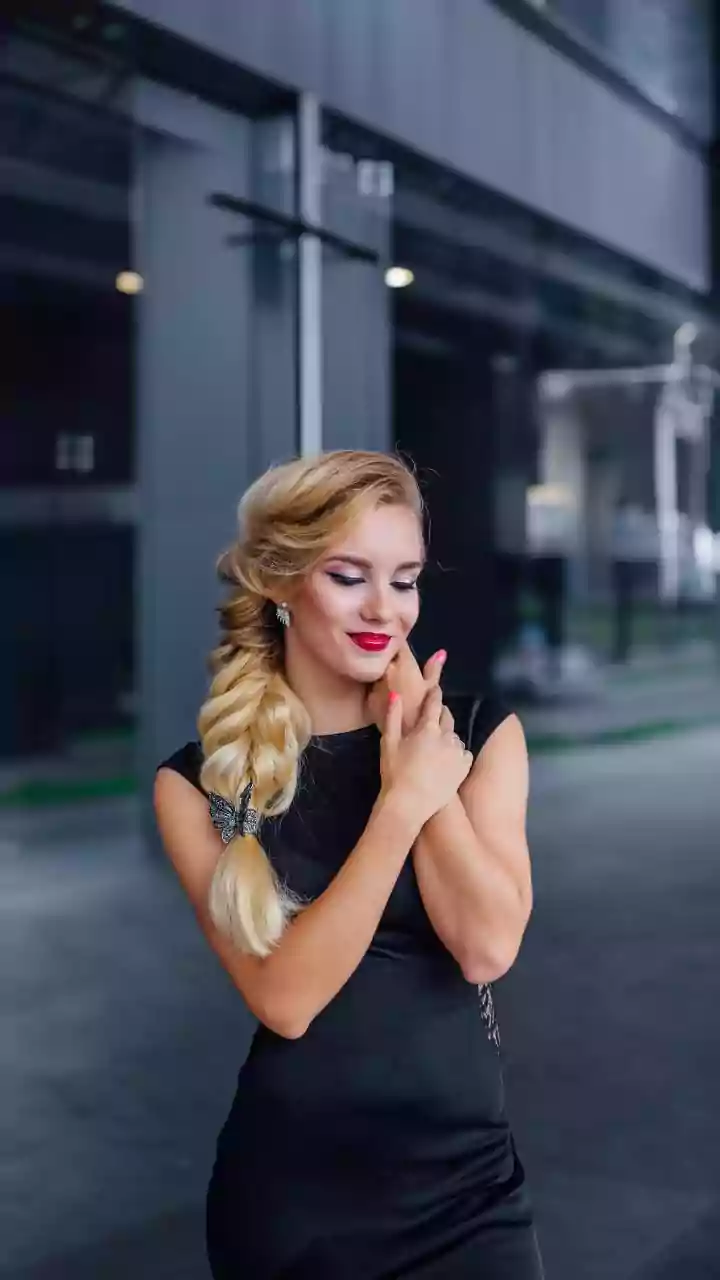
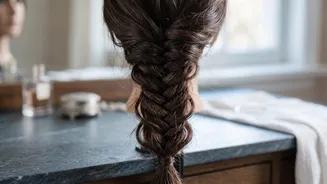
For a more intricate and bohemian feel, the fishtail halo is a beautiful alternative. Instead of a standard three-strand braid, this style uses the two-strand fishtail technique, which creates a delicate, herringbone-like pattern. An easier method for achieving this look without the arm strain of a continuous braid is to part your hair down the middle and create two separate fishtail pigtails. Once both braids are complete, you gently loosen the edges to create a fuller, softer appearance. Then, you simply lift each braid, cross them over the top of your head, and pin them securely in place to form the crown. This method is more forgiving for beginners and results in a soft, romantic updo.
3. The Effortless Twisted Halo
If braiding feels too complicated, the twisted halo offers a simpler yet equally chic option. This style relies on creating two-strand twists instead of braids. The most straightforward approach is to part your hair into two sections, as if making pigtails. Take one section and divide it into two smaller pieces, then twist them around each other until you reach the end. Repeat on the other side. After creating your two twisted ropes, you wrap them over your head and pin them into a crown shape. For a more integrated look, you can also start a twist near your hairline, gradually adding more hair to each strand as you work your way back, similar to a French braid. This results in a soft, elegant style with less definition than a braid but just as much charm.
4. The Modern Half-Up Halo
A half-up halo provides the crowned effect while still letting you show off the length of your hair. This versatile style works well for most hair lengths and textures. To create it, you only use the top half of your hair. Part the top section into two halves and create a small braid—Dutch, French, or fishtail—on each side, braiding from the front towards the back of your head. Secure the ends and then gently pull on the edges of the braids to make them appear fuller. Finally, cross the two braids over each other at the back of your head and pin them in place. This leaves the rest of your hair down, creating a soft, romantic look perfect for weddings, festivals, or a casual day out.
5. The Deconstructed 'Messy' Halo
Perfect for a relaxed, bohemian vibe, the deconstructed halo embraces imperfection. This style begins like any other halo—typically with two Dutch or French braids. After braiding, but before pinning the crown in place, the key is to gently pull and tug at the edges of each braid. This technique, sometimes called 'pancaking,' loosens the braid and makes it appear much wider and more voluminous. Don't be afraid to let a few strands escape to frame your face. Once the braids are sufficiently loosened and 'messy' to your liking, wrap them around your head and pin them. The final look should feel effortlessly chic and undone, as if you've been wearing it all day.