







The End of Off-Season Pricing
Remember when monsoon meant deep discounts and empty hotels? That era is fading fast. This year's booking data shows that prices in popular leisure destinations are remaining surprisingly firm. In places like Goa, where tariffs would typically drop significantly
during the rains, sustained demand is keeping prices resilient. Major hotel groups are reporting that July bookings are pacing nearly 10% ahead of last year, a clear sign that the monsoon is now a preferred travel season for many. This isn't to say deals are gone, but the expectation of rock-bottom prices is being replaced by a new reality: consistent, year-round demand is making hotel pricing less about the season and more about real-time occupancy and demand signals.
Flexibility is the New Standard
The other major shift is in how we book. The uncertainty of the past few years has hardwired a preference for flexibility into the modern traveller's DNA. It's no longer a 'nice-to-have' perk but a fundamental expectation. Travellers want the peace of mind that comes with knowing they can change their plans without heavy penalties. Hotels and online travel agencies have responded, making zero-cancellation fees and 'book now, pay later' options a key part of their marketing. This change empowers travellers, allowing them to book with confidence even when plans are not set in stone. It indicates a future where rigid, non-refundable rates become the exception rather than the rule, as trust and convenience drive booking decisions.
The Allure of Quieter Destinations
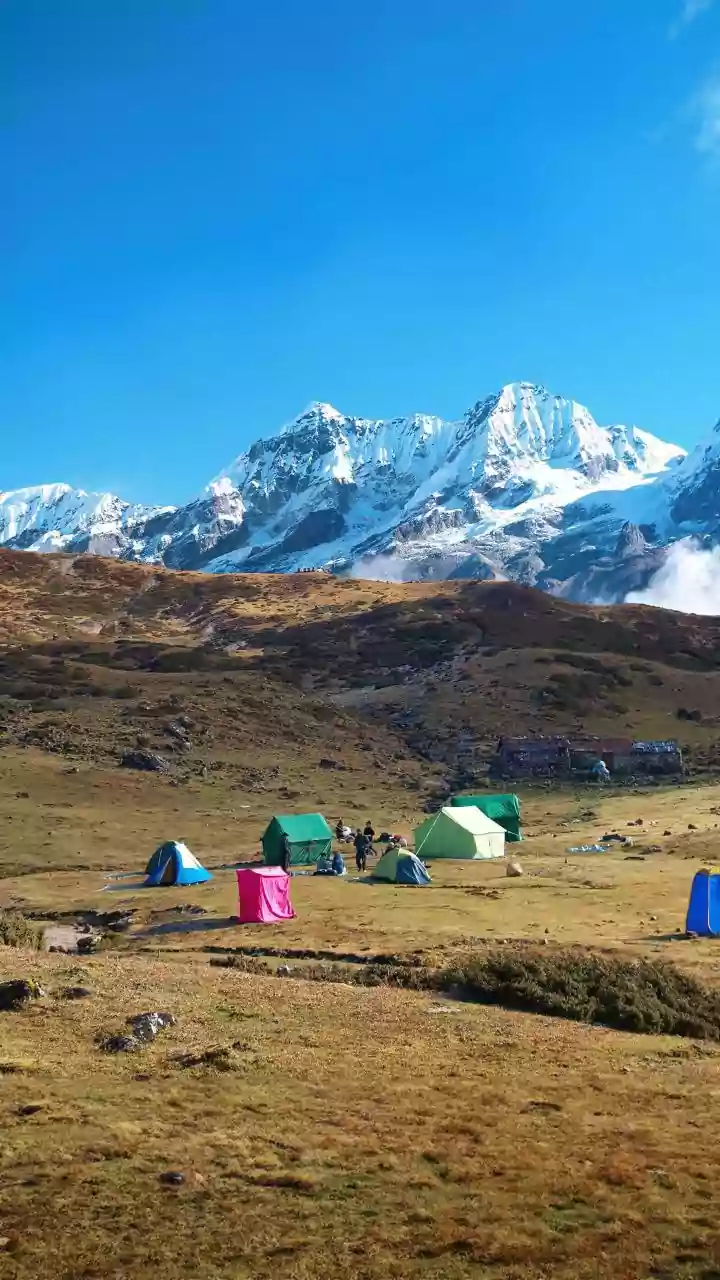
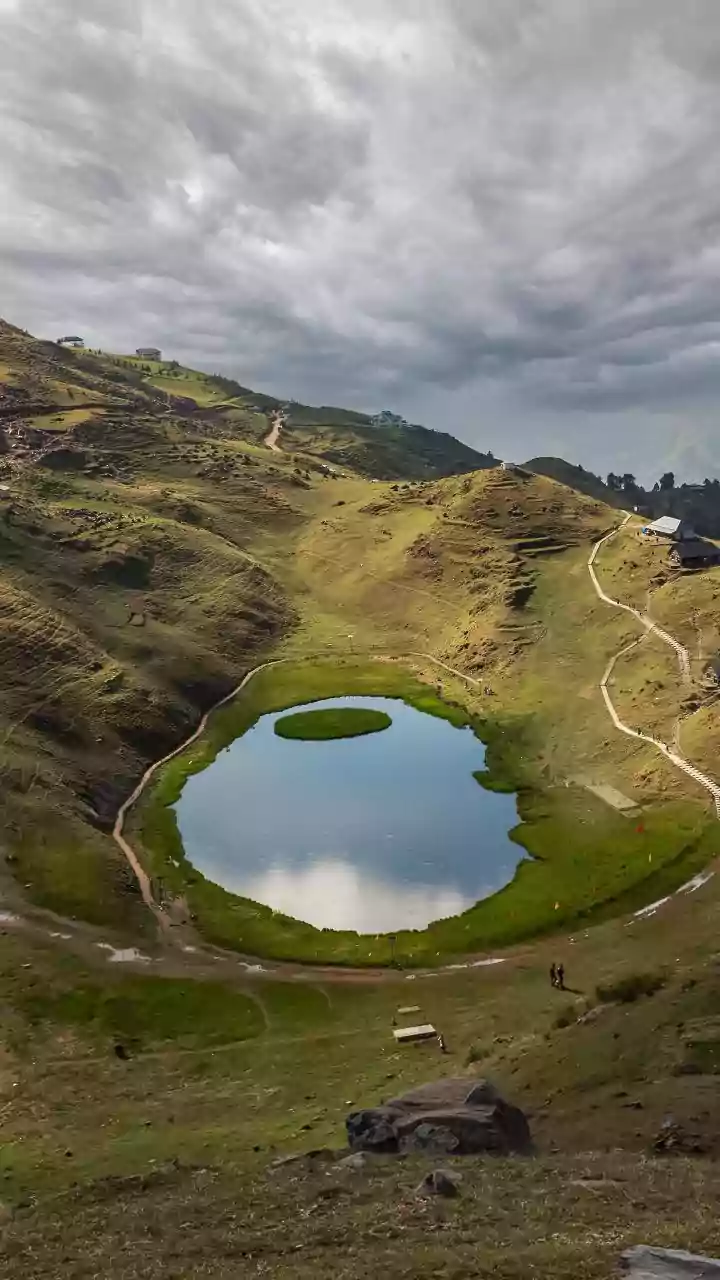
While classic spots like Goa, Kerala, and popular hill stations in Himachal and Uttarakhand continue to attract crowds, a fascinating trend is the surge in interest towards lesser-known destinations. Travellers are increasingly seeking experiences over just ticking off a famous location. This has led to a boom in bookings for places like Munnar and Mussoorie, which have seen nearly tenfold growth compared to last year. The North East, with Nagaland and Arunachal Pradesh, has also recorded a significant rise in flight bookings. This shift is driven by a desire for more immersive and personal trips, focusing on wellness, nature, and culture away from the peak-season rush. Destinations like Coorg, Wayanad, Kodaikanal, and even spiritual hubs like Rishikesh are becoming monsoon favourites, signalling a future where tourism is more evenly distributed across the country.
What This Means For Your Future Travels
So, what can we learn from this monsoon season? Firstly, the idea of a fixed 'tourist season' is becoming obsolete. With this comes more stable, predictable pricing throughout the year, meaning last-minute bargain hunting might be less fruitful. Planning ahead, even for the 'off-season', is becoming more important. Secondly, the power has shifted towards the consumer when it comes to booking terms. Continue to demand and expect flexibility in your bookings, as it is now the industry standard. Finally, the travel map of India is expanding. Your next great adventure might not be in a guide book's top 10, but in a quiet corner of the country that comes alive in the rain. Travellers are becoming more strategic, seeking value and unique experiences, and the industry is transforming to meet this new demand.