



The Reality of Monsoon Canyons
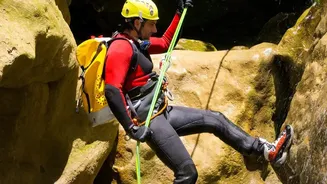
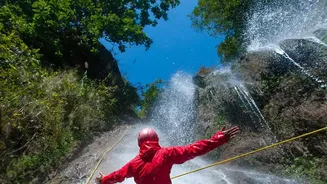
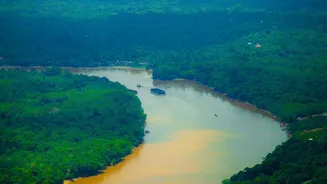
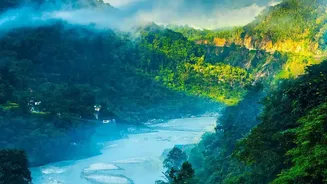
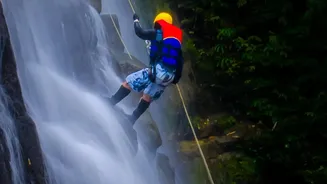
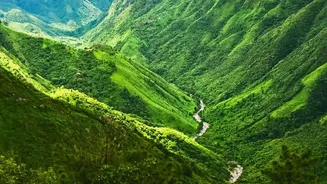
Meghalaya, home to some of the wettest places on Earth, transforms during the monsoon. Rivers that are gentle streams in winter become raging torrents capable of moving multi-storey boulders. Canyoning, which involves traversing these riverbeds by swimming,
abseiling, and jumping, is exceptionally dangerous this time of year. Rainfall can exceed 300 mm in a single day, causing water levels to rise dramatically in minutes, a phenomenon known as a flash flood. The landscape is raw and powerful, but many local experts and tour operators strongly advise against this activity during the monsoon, recommending the drier, more stable months of November to February instead. If you are an expert and still choose to proceed, you must do so with extreme caution and professional guidance.
Rule 1: Never Underestimate the Weather
The first and most critical rule is to become a student of the weather. Conditions in Meghalaya's hills can change with frightening speed. A sunny morning offers no guarantee of a safe afternoon. Before even considering a trip, monitor forecasts from reliable sources like the India Meteorological Department. Local advisories often warn of heavy rainfall that can trigger flash floods and landslides, cutting off routes and making rescue operations difficult. Do not rely on a simple weather app; seek detailed, localized reports. If there is any warning of heavy rain, the trip must be cancelled. There is no negotiating with a flash flood.
Rule 2: Hire a Certified Local Guide
This is not a suggestion; it is a mandatory safety requirement. Do not attempt to navigate Meghalaya's monsoon canyons alone or with an inexperienced group. Certified local guides possess invaluable knowledge that cannot be learned from a map or a blog. They understand the specific river you are in, know its temperament, can read subtle changes in water level and color, and are aware of the hidden dangers and safe exit points. The Meghalaya government has issued advisories urging tourists to hire certified professionals for any adventure activities. A guide’s expertise is your most important piece of safety equipment.
Rule 3: Master River Dynamics and Escape Routes
Monsoon rivers are not like swimming pools. They are dynamic and immensely powerful. The primary danger is the sheer force of the water and the debris it carries. You must understand the risks of strong currents, underwater obstacles, and hypothermia from cold, fast-moving water. Before entering a canyon, your guide should brief you on the planned route and, crucially, the escape routes. These are pre-identified points where you can safely climb out of the canyon in case of a sudden change in conditions. Without this knowledge, a rising river can trap you with no way out.
Rule 4: The Right Gear Is Non-Negotiable
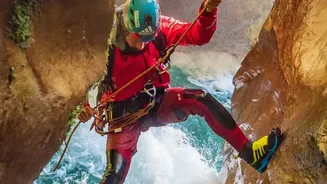
Standard trekking gear is inadequate for monsoon canyoning. Your life depends on specialized equipment. This includes a helmet, a harness, ropes, and a personal flotation device or life jacket, which is often mandatory. Perhaps most important is footwear. You need shoes with exceptional grip designed for wet, slippery, and uneven rock surfaces. A simple pair of sports shoes will not suffice and significantly increases your risk of a fall. Also essential are a first-aid kit, waterproof bags for communication devices, and quick-dry clothing to help stave off hypothermia.
Rule 5: Maintain Constant Situational Awareness
Once in the canyon, your focus must be absolute. Pay constant attention to your surroundings. Watch the water at all times for any sign of change. Listen to instructions from your guide without fail. Avoid unnecessary risks like jumping into pools of unknown depth or venturing off the marked path. The rocks are notoriously slippery, and a simple misstep can lead to serious injury. It is also recommended to inform family or friends of your detailed plans, including your route and expected return time, before you head out. Do not consume alcohol before or during your trip, as it impairs judgment and physical coordination.