







The Great Indian Diet Shift
For decades, the Indian diet was largely defined by tradition and geography, dominated by cereals, pulses, and locally grown vegetables. Today, that plate looks different. With rising incomes and urbanization, there's a noticeable shift away from traditional
staples towards processed and convenience foods. Research shows a decline in per-capita consumption of cereals and an increase in oils, fats, and animal products. While this includes a welcome rise in fruit and vegetable intake for some, it also brings a surge in sugars and ultra-processed items. An average Indian household now reportedly gets more calories from processed foods than from fruits, a stark indicator of this dietary transition. This is not just an urban phenomenon; changing aspirations and market access are altering food habits in rural India as well.
The Affordability Hurdle
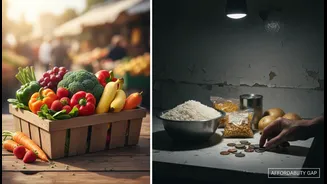
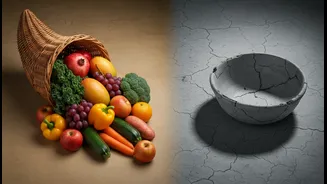
While dietary diversity is increasing, it comes at a cost—literally. The price of building a truly healthy meal remains a significant barrier for a vast portion of the population. According to the UN's Food and Agriculture Organization (FAO), the cost of a healthy diet in India rose by nearly 47% between 2017 and 2024. As of 2024, it was estimated that over 40% of the population, numbering hundreds of millions, could not afford a nutritionally adequate diet. The most affordable calories still come from starchy staples like rice and wheat, while nutrient-dense foods like vegetables, fruits, and pulses are significantly more expensive. This price disparity pushes many households towards calorie-sufficient but nutrient-poor food choices, setting the stage for a deeper health crisis.
Beyond Full Stomachs: The Crisis of Hidden Hunger
This leads to one of India's most pressing nutritional challenges: 'hidden hunger'. This isn't about a lack of food, but a lack of essential micronutrients like iron, vitamin A, zinc, and iodine. A person can consume a sufficient number of calories daily and still suffer from hidden hunger because their diet lacks diversity. India is home to nearly half of the world's micronutrient-deficient population. Studies suggest that over 80% of Indians face a risk of deficiency in key micronutrients. This silent epidemic has severe consequences, leading to impaired cognitive development in children, weakened immune systems, and lower economic productivity in adults. Alarming data shows that despite national efforts, anaemia remains stubbornly high, affecting over half of all women and a majority of young children.
The Triple Burden of Malnutrition
The outcome of these intersecting trends is what public health experts call the "triple burden of malnutrition." This is the paradoxical co-existence of undernutrition (stunting and wasting), micronutrient deficiencies (hidden hunger), and overnutrition (obesity and related non-communicable diseases). While child stunting remains a serious challenge, rates of obesity are rising rapidly in both urban and rural areas. More than a quarter of Indian adults are now considered overweight or obese. This is a direct consequence of the dietary shift towards energy-dense, nutrient-poor processed foods, combined with more sedentary lifestyles. The country is now grappling with an epidemic of lifestyle diseases like diabetes and cardiovascular issues, even as it continues to fight undernutrition.