







The High Risk of Sowing Too Soon
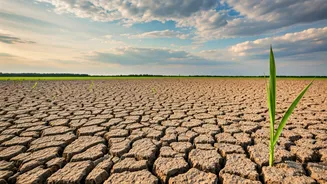
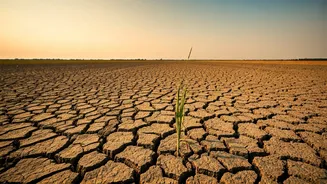
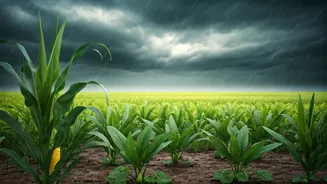
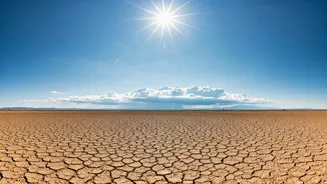
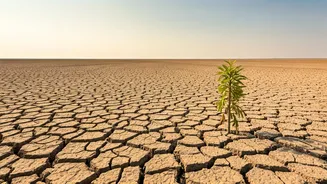
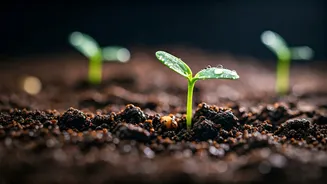
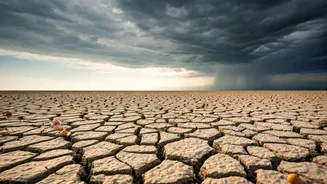
Planting seeds into dry or inadequately moist soil is a significant gamble. Early sowing, driven by the calendar rather than conditions, can lead to poor or failed germination. If the initial rains are weak and not followed by consistent showers, the newly
sprouted seedlings will wither and die from moisture stress. This not only results in the loss of expensive seeds, fertilisers, and labour but also forces farmers into the costly process of re-sowing. Essentially, a premature start exhausts resources and puts the entire season's profitability in jeopardy before it has even truly begun.
Reading the Signs: When Is It Safe?
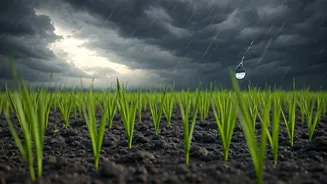
The key is to ignore the calendar and focus on the weather. Agricultural scientists and bodies like the Indian Council of Agricultural Research (ICAR) provide clear benchmarks. The ideal time to begin sowing is only after the monsoon has officially been declared and the area has received a substantial initial rainfall—typically 60-70 mm over a few days. This amount ensures that the soil has adequate moisture up to a depth of at least 15-20 cm. This deep moisture acts as a crucial buffer, sustaining the young plants until the next spell of rain arrives. Relying on a single, light shower is a common mistake that proves costly.
The Benefits of a Patient Approach
While delaying feels counterintuitive, it is a strategic move that pays dividends. Waiting for sufficient rainfall guarantees a high rate of seed germination and promotes the development of a robust root system. Stronger roots can access water from deeper soil layers, making the crop more resilient to the mid-season dry spells that are becoming increasingly common. This patience ensures a uniform crop stand, leading to healthier plants that are better equipped to fight off pests and diseases. Ultimately, a well-timed start, even if delayed, leads to a more stable and often higher yield than a rushed, compromised one.
What to Do While You Wait
The waiting period should not be a passive one. Farmers can use this time productively to prepare for a successful sowing season. One of the most beneficial activities is summer ploughing. This practice helps open up the soil, improving its capacity to absorb and retain rainwater when the monsoon does arrive. It also exposes dormant weeds and pests to the sun, reducing their population. This is also the perfect time to procure the right inputs. Farmers should focus on acquiring certified, high-quality seeds of short-duration and drought-tolerant varieties, which are better suited to a condensed growing season.
Choosing Drought-Tolerant Champions
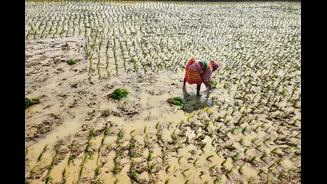
Given the uncertainty, crop and variety selection is critical. Instead of long-duration varieties, opt for those that mature faster. For paddy, consider direct-seeded rice (DSR) techniques or short-duration varieties. In pulses, crops like moong (green gram), urad (black gram), and cowpea are good choices. Most importantly, millets such as bajra (pearl millet), ragi (finger millet), and jowar (sorghum) are exceptionally well-suited to arid and semi-arid conditions. These 'nutri-cereals' require significantly less water than rice or wheat and offer a reliable alternative for ensuring food security and income in a challenging climate.