



A Widespread and Worsening Problem
Recent findings presented at the American Heart Association's Hypertension Scientific Sessions 2026 paint a concerning picture of global health. A modeling analysis found that only about one in five adults with hypertension across 20 studied countries
had their blood pressure controlled. This aligns with other recent data from the National Health and Nutrition Examination Survey (NHANES), which found that nearly 80% of U.S. adults with hypertension have blood pressure above the recommended goal of less than 130/80 mm Hg. Hypertension, or high blood pressure, affects nearly half of all adults and is a primary or contributing cause of hundreds of thousands of deaths annually. The statistics represent a significant public health challenge, indicating that despite available treatments, a vast majority of people with the condition are not effectively managing it.
What 'Controlled' Blood Pressure Means
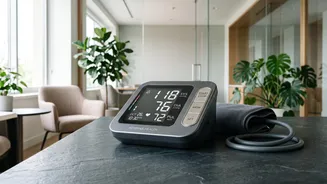
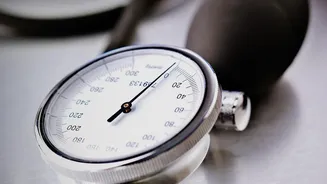
According to guidelines from the American Heart Association and the American College of Cardiology, hypertension is defined as a blood pressure reading of 130/80 mm Hg or higher. The top number, systolic pressure, measures the force your heart exerts on artery walls when it beats, while the bottom number, diastolic pressure, measures the pressure between beats. 'Controlled' blood pressure means keeping those numbers below the 130/80 mm Hg threshold, either through lifestyle changes alone or with the help of medication. The goal is to reduce the strain on your cardiovascular system. Unfortunately, studies show that many people who are on medication still don't reach this target, and a large portion of those with uncontrolled hypertension—over 60% in one study—are not taking any medication at all.
The Dangers of the 'Silent Killer'
High blood pressure is often called the 'silent killer' because it typically has no obvious symptoms. Many people are unaware they have it until a serious health event occurs. Untreated, hypertension can damage your arteries, leading to serious and life-threatening conditions. It is one of the most significant modifiable risk factors for heart disease and stroke, the leading causes of death in many parts of the world. Over time, the excessive pressure can lead to coronary artery disease, heart failure, kidney disease, vision loss, and aneurysms. The good news is that managing blood pressure is one of the most effective ways to prevent these devastating outcomes. One recent analysis estimated that effective blood pressure control could prevent more than 518,000 cardiovascular deaths annually worldwide.
Why Are We Falling Short?
The reasons for poor blood pressure control are complex. A major barrier is lack of awareness; since there are no symptoms, many people don't know they have a problem. Among those who are diagnosed, adherence to treatment can be a challenge. Factors include medication side effects, cost, and the simple difficulty of taking a daily pill for a condition you can't feel. Another factor is 'clinical inertia', where healthcare providers may not start or intensify treatment even when a patient's readings are high. Furthermore, lifestyle plays a huge role. Diets high in sodium, lack of physical activity, smoking, and excessive alcohol consumption all contribute to high blood pressure and can undermine the effectiveness of medications.
Your Path to Better Control
While the statistics are daunting, taking control of your blood pressure is achievable. The first step is knowledge: know your numbers. This means getting your blood pressure checked regularly by a healthcare professional. If your numbers are high, your doctor can guide you on a plan that will likely include both lifestyle adjustments and, if necessary, medication. Key lifestyle changes that can have a major impact include adopting a heart-healthy diet like the DASH or Mediterranean diet, which are rich in fruits, vegetables, and whole grains while limiting salt, sugar, and unhealthy fats. Regular physical activity—aiming for at least 30 minutes of moderate exercise most days—is crucial. Other important steps include losing excess weight, limiting alcohol, quitting smoking, managing stress, and getting adequate sleep. If medication is prescribed, it's vital to take it exactly as directed and discuss any side effects with your doctor rather than simply stopping.