




The Unseen Ingredient in Your Pantry
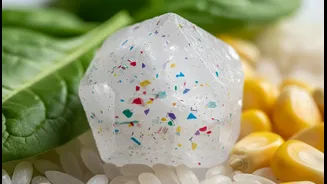
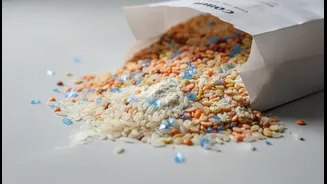
Microplastics are minuscule plastic particles less than five millimeters in size. They are everywhere, originating from the breakdown of larger plastic items like bottles, bags, and synthetic clothing. These particles have infiltrated our oceans, soil,
and even the air we breathe. As a result, they have inevitably found their way into our food chain. Recent studies have confirmed their presence in some of the most fundamental ingredients in our kitchens, turning a global pollution problem into a personal health concern. This hidden contamination challenges the very idea of a 'clean' diet, as these invisible invaders are present in products from all over the world.
How Plastic Gets into Salt and Sugar
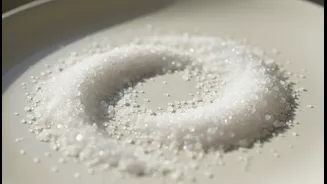
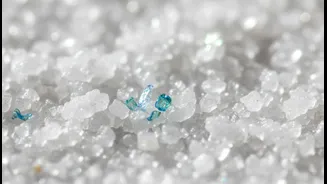
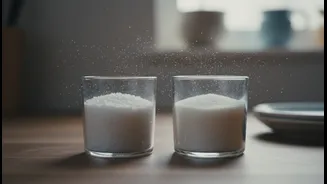
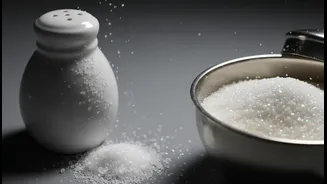
The path microplastics take into your salt and sugar depends on the source. Sea salt is particularly vulnerable. As seawater, which is heavily polluted with plastic debris, evaporates, the tiny plastic fragments are left behind and concentrated in the final product. Studies have found microplastics in over 90% of salt brands tested globally, with sea salt typically showing the highest concentrations. Rock salt, which is mined from underground deposits, is often considered a cleaner alternative as it's protected from modern ocean pollution. However, it can still be contaminated during processing, handling, and packaging with plastic equipment. For sugar, contamination is less about the agricultural source and more about the industrial journey. Plastic particles can be introduced from factory machinery, filtration processes, and plastic packaging. Research has detected microplastics in refined white sugar, brown sugar, and beet sugar, indicating that contamination is a widespread issue in the production chain.
Are They Harmful? What Science Says
The science on the direct health effects of ingesting microplastics is still developing, but the initial findings are cause for concern. Researchers are exploring three main risks. First is the physical irritation the particles themselves might cause to our digestive system, potentially leading to inflammation. Second is the chemical risk; plastics are made with additives like phthalates and BPA, which are known endocrine disruptors that can leach out once inside our bodies. Third, microplastics can act like sponges, absorbing other environmental toxins like heavy metals and pesticides from their surroundings and carrying them into our system. Animal and cell-based studies have linked microplastic exposure to a range of issues, including immune system disruption and cell damage, but more research is needed to understand the long-term impact on human health.
Smarter Swaps for a Cleaner Kitchen
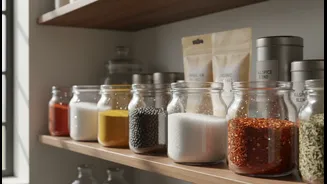
While completely avoiding microplastics is impossible in our modern world, you can significantly reduce your exposure with a few conscious choices. For salt, consider switching from sea salt to rock salt mined from ancient, unpolluted seabeds, and look for brands sold in cardboard boxes or paper bags instead of plastic grinders or pouches. When it comes to sugar, opt for minimally processed varieties and transfer them from their original packaging into a glass jar for storage at home. Beyond these staples, broader kitchen habits make a big difference. Avoid microwaving food in plastic containers; transfer it to a ceramic or glass dish first. Use wooden or bamboo cutting boards, as plastic ones can shed particles into your food. Ditching bottled water for filtered tap water in a glass or stainless steel bottle is another powerful way to cut down your daily intake.