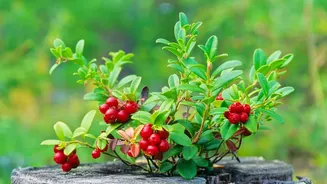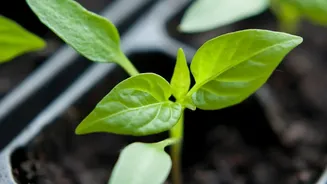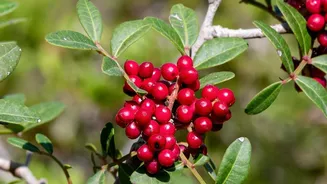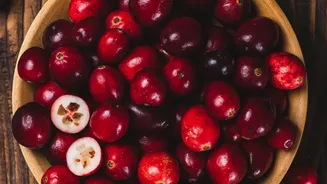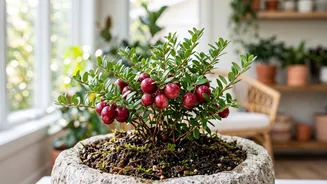



Thinking of growing fruit indoors? Go beyond the usual citrus trees and try your hand at cranberries. While known for growing in bogs, these tart berries can thrive in containers with the right care, offering a unique and rewarding challenge.
Choosing the Right Pot and Variety
Cranberries
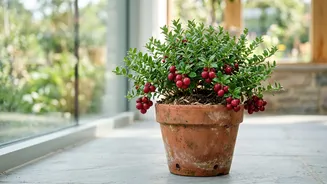
have shallow root systems and grow via spreading runners, so a wide, trough-style planter or window box is often better than a deep, narrow pot. Aim for a container that is at least 30-38 cm wide to give the plant room to expand. Good drainage holes are essential to prevent waterlogging. While many cranberry varieties exist, some like 'Pilgrim' and 'Stevens' are popular choices for home gardeners and adapt well to containers. 'Pilgrim' is noted for producing plenty of flowers right from the first year in container settings.
Acidic Soil is Non-Negotiable
The single most important requirement for cranberries is acidic soil. They thrive in a pH range of 4.0 to 5.5. The easiest way to achieve this in a container is to use a potting mix specifically formulated for acid-loving plants, like those sold for azaleas or rhododendrons. You can also create your own mix using peat moss blended with sand or perlite. Regular garden soil is not suitable as it compacts easily and rarely has the required acidity. It's wise to test the soil pH annually and amend as needed with an acidic, slow-release fertilizer.
Sunlight and Water Requirements
Cranberries need full sun to produce a good harvest, which means providing at least six hours of direct sunlight per day. A south-facing window is ideal. If you can't provide enough natural light, you'll need to supplement with a grow light to ensure healthy growth. When it comes to water, consistency is key. The soil should be kept constantly moist but never soggy or waterlogged. Using rainwater is preferable to tap water, as tap water can be alkaline and may raise the soil's pH over time. Self-watering containers can be an excellent tool for maintaining steady moisture without oversaturating the roots.
The Crucial Chilling Period
To flower and produce fruit, cranberry plants require a significant period of cold temperatures, known as a chilling period. The plants need to experience a certain number of hours—some sources suggest around 650 to 1,500 hours—at temperatures below 7°C (45°F). For an indoor plant, this means you'll need to move it to a protected but unheated location for the winter, such as a garage, a shed, or a cold porch. This cold rest is essential to break dormancy and trigger normal flower development in the spring. Without this chilling phase, your plant may grow but is unlikely to ever produce fruit.
Fertilizing, Pollination, and Harvest
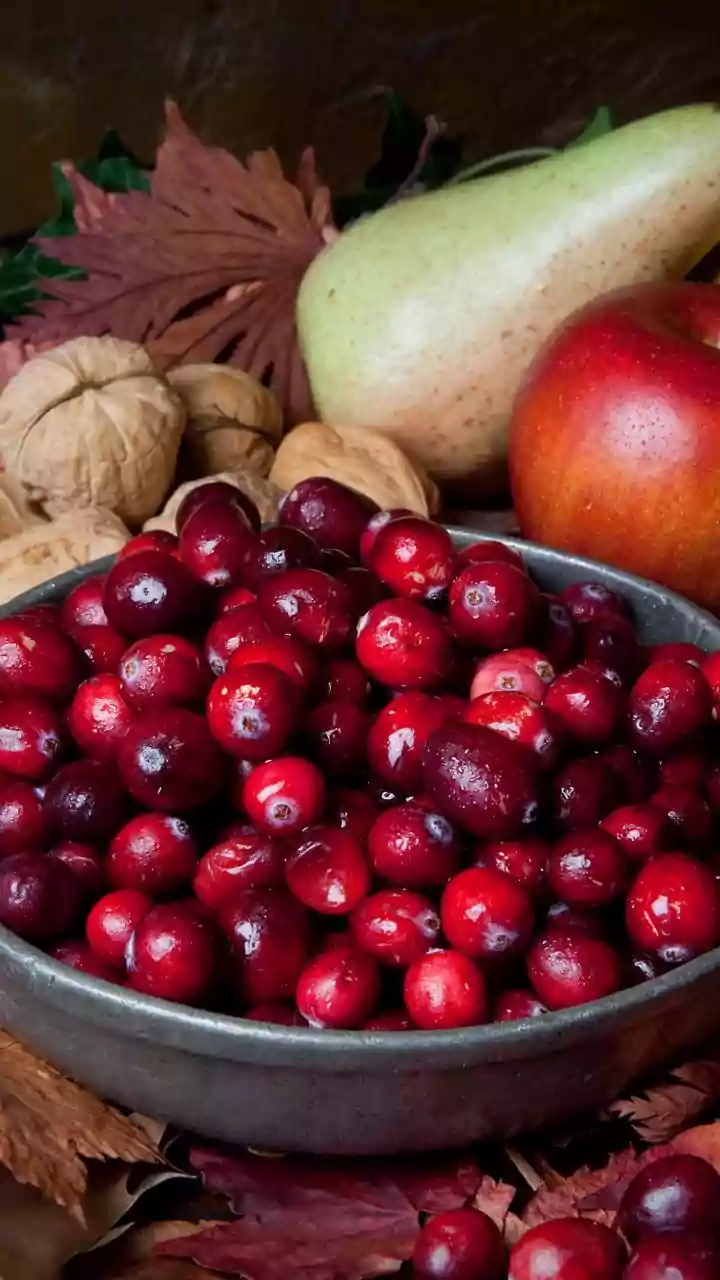
Cranberries are not heavy feeders. A light application of a low-'nitrogen', acidic fertilizer in the spring is usually sufficient. Once the plant flowers in late spring or summer, pollination is the next step. Indoors, you'll have to play the role of a bee. Gently transfer pollen between flowers using a small, soft paintbrush or a cotton swab. Simply swirl the brush inside several flowers to collect pollen and then dab it onto the stigma of other flowers. If successful, you'll see small green berries form. These will slowly ripen through the summer, turning their characteristic deep red in the autumn, typically from September onwards, when they are ready to be harvested.