



The New Look of Old Favourites
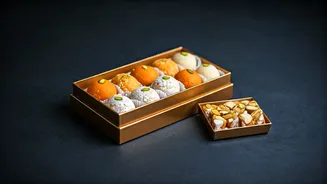
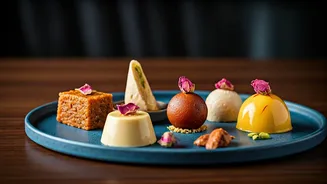
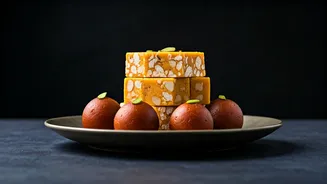
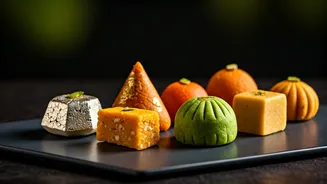
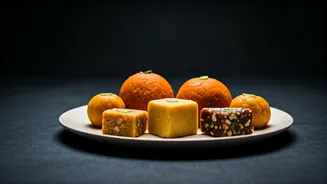
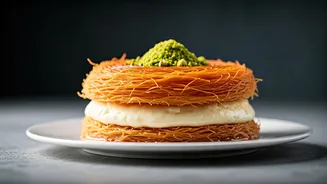
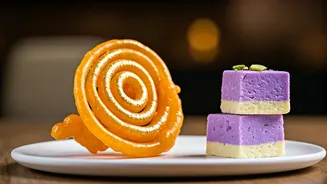
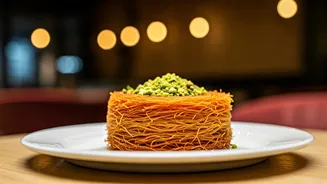
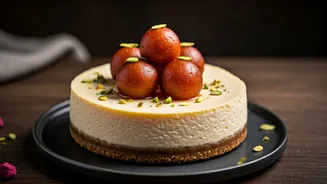
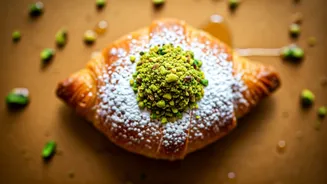
The sweets of your childhood have logged on and created a profile. The humble laddoo is no longer just a round, golden delight; it might now be infused with elderflower or decorated with edible petals. [14] Traditional barfis are appearing in shades of lavender
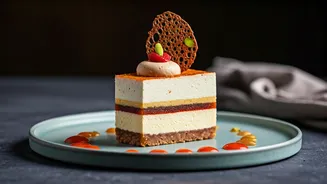
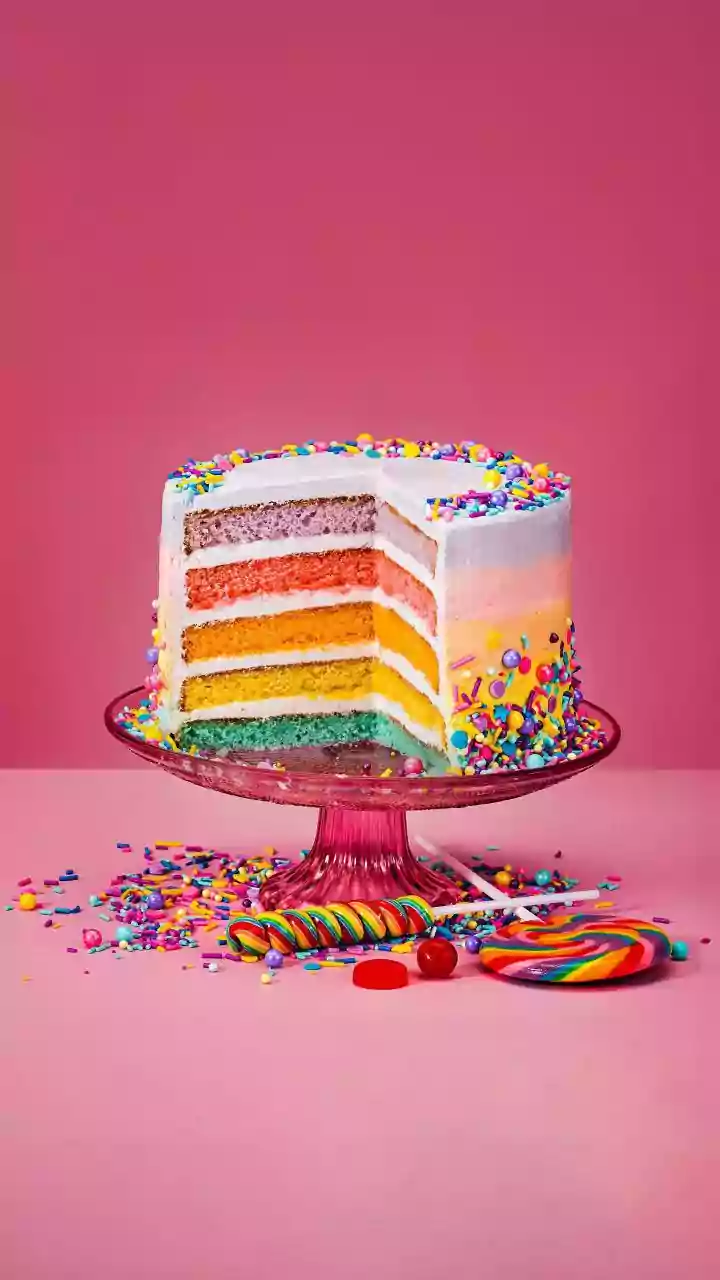
and pistachio green, sometimes spiked with coffee or berries. [3] This isn't just about a simple garnish; it's a complete aesthetic overhaul. Brands across India are giving beloved sweets a modern twist, transforming them into photogenic works of art designed to be seen before they are tasted. [3, 7] From cheesecake-flavoured barfi to wine-infused motichoor laddoos, the goal is to be visually striking, creating dishes with high colour contrast, unique shapes, and clean plating that stands out in a crowded digital feed. [2, 14]
The Artisans Behind the Trend
This movement is being led by a new generation of artisanal 'mithaiwalas' who are blending heritage with contemporary culinary techniques. [13] Brands like Bombay Sweet Shop in Mumbai, Khoya in Delhi, and Gur Chini are at the forefront, reimagining what Indian sweets can be. [12, 14] They are not just sweet makers; they are content creators and storytellers. Bombay Sweet Shop, for example, is known for its playful and inventive take on classics, while Gur Chini focuses on using healthier, natural sweeteners like dates and jaggery. [10, 12] These new-age brands often operate through cloud kitchens and sell directly to consumers online, using Instagram as their primary shop window and marketing tool. [4, 10] Their success has shown that there is a significant market for premium, beautifully packaged sweets that tell a story. [13]
Why Your Feed is Full of Food
The visual nature of platforms like Instagram has fundamentally changed how we interact with food. [8] For many, especially younger urban consumers, Instagram has become the primary tool for discovering new places to eat and new foods to try. [2] A dish's 'Instagrammability'—its visual appeal and ability to look good in a photo—can be as crucial as its taste. [8, 16] Restaurants and food businesses are now designing dishes specifically for social media, focusing on elements that perform well on camera, like vibrant colours and satisfying textures. [2] This has created a powerful cycle: viral trends drive customer traffic, and customer photos generate more online buzz, turning a simple meal into a piece of shareable content. [15]
Preservation or Dilution?
This trend raises a delicious debate: Is making mithai 'clickable' a way of preserving tradition or diluting it? On one hand, this modern makeover is introducing traditional Indian sweets to a new, global audience that might have previously overlooked them. [4] By making these sweets relevant and exciting to younger generations, these brands are ensuring that culinary traditions evolve rather than fade away. [4, 8] On the other hand, there's a concern that the focus on aesthetics might come at the expense of authenticity. [8] When a sweet is engineered primarily for its looks, does the flavour, texture, and soul of the original recipe get lost in the filter? The art of traditional mithai-making is complex and often un-photogenic, relying on techniques passed down through generations. [9] The challenge for modern mithai makers is to innovate without losing the essence of what makes these sweets so beloved.
The Sweet Taste of Success
Ultimately, the consumer will have the final say. The rise of these artisanal brands suggests a growing appetite for high-quality, innovative Indian sweets. [10] People are willing to pay a premium for products that offer a unique experience, combining nostalgic flavours with a modern sensibility. [3] This isn't just about buying sweets; it's about gifting something special, celebrating an occasion with a touch of luxury, and, of course, sharing a beautiful photo online. [13] Whether for a wedding, a festival, or just a Tuesday treat, these modern mithais are finding their way into our homes and our hearts, one click at a time.