





Why Embrace the Monsoon in the Hills?
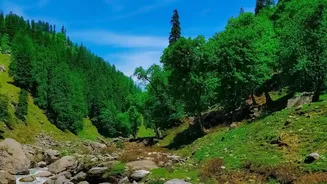
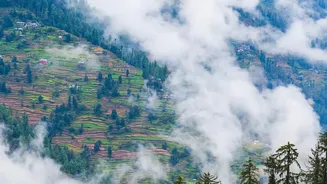
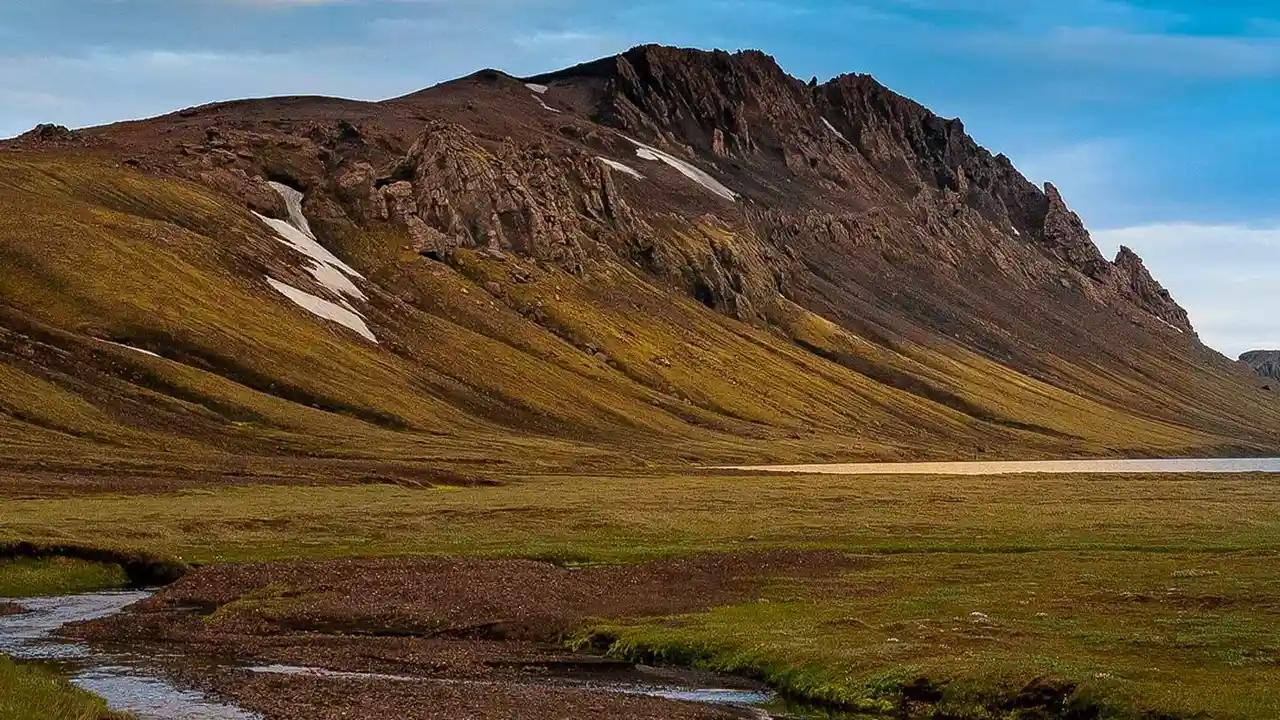
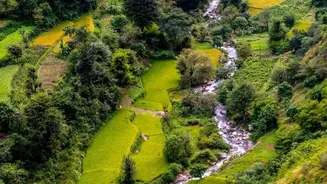
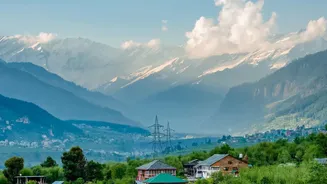
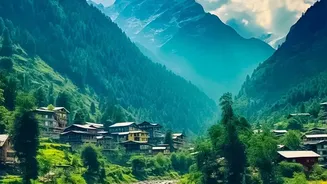
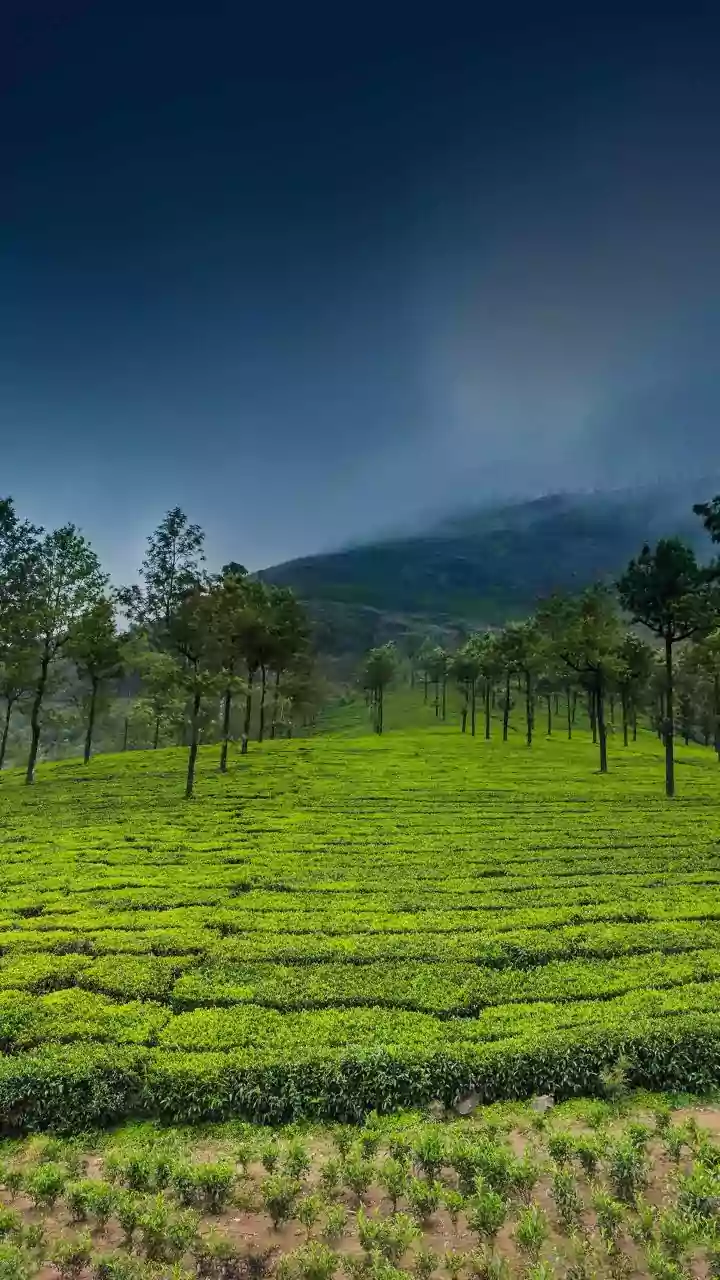
While many travellers shy away from the mountains during the rains, the monsoon season unveils a different, more intimate side of Himachal Pradesh. This is when the landscape, washed clean by daily showers, explodes into a thousand shades of green. The
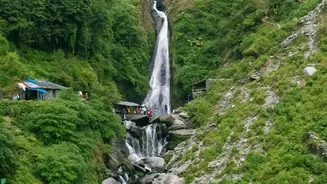
waterfalls are at their most spectacular, the forests feel ancient and alive, and the clouds play a dramatic game of hide-and-seek with the peaks. More importantly, it is the season of quiet. With fewer tourists, popular trails become peaceful walks, and the region sheds its commercial buzz for a more authentic, slow-paced rhythm. For those seeking solitude and a deep connection with nature, the monsoon in hamlets like Shoja and Tirthan is not a challenge to be avoided, but an experience to be cherished.
Shoja: A Quiet Hamlet in the Clouds
Perched on the winding road to Jalori Pass, Shoja is a tiny village that feels like a world apart. Unlike bustling hill stations, Shoja’s charm lies in its simplicity and silence. Life here revolves around slow mornings, walks through dense deodar forests, and evenings spent on wooden balconies watching mist roll through the valley. The main draw is its proximity to the Jalori Pass, located about 12-15 km away. While the pass itself can be a bonus during monsoons due to slippery conditions and potential landslides, the drive up offers breathtaking, albeit foggy, vistas. A popular trek from the pass is to Serolsar Lake, a serene body of water surrounded by thick oak forests. During the monsoon, this trail is lush but can be muddy and prone to leeches, so good trekking shoes are essential.
Tirthan Valley: The Riverside Sanctuary
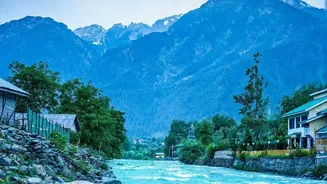
A designated UNESCO World Heritage Site, the Great Himalayan National Park ecozone is where Tirthan Valley gets its pristine character. The valley, named after the gushing Tirthan River, is a haven for nature lovers and anglers. While adventure sports like river crossing may be suspended during the peak monsoon for safety, the river remains the soul of the valley. The focus shifts to simpler pleasures: sitting by the water, indulging in trout fishing (with a permit), and exploring the quaint villages of Gushaini and Nagini. Short hikes to nearby waterfalls, like the one to Chhoi Waterfall, become even more rewarding as the cascades are full and powerful. Tirthan remains less commercialized, offering a genuine glimpse into the pahadi way of life.
Homestays and Local Flavours
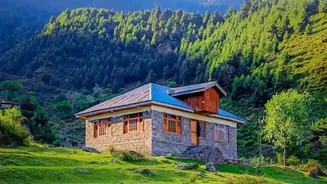
The best way to experience Shoja and Tirthan is by staying in one of the many family-run homestays. These traditional 'kathkuni' style wooden homes offer not just a place to sleep, but a warm, immersive cultural experience. Hosts are welcoming, and meals often consist of delicious, home-cooked Himachali cuisine. Imagine savouring dishes like Siddu (a local steamed bread) while the rain patters on the slate roof. These stays provide a quiet, comfortable base to read, write, or simply do nothing at all. Many homestays and cottages are now equipped with stable Wi-Fi, making them viable for peaceful 'workations' away from the city din.
Travel and Safety in the Monsoon
Travelling to this region during the rains requires some planning. The primary route from Delhi is via the Chandigarh-Manali highway, turning off at Aut to enter the Banjar valley, which leads to both Tirthan and Shoja. This journey takes approximately 12-14 hours. While roads are generally open, the stretch between Mandi and Aut is prone to landslides, so it's wise to keep buffer days in your itinerary and check weather updates before travelling. Driving on narrow, winding hill roads demands caution, especially in foggy or rainy conditions. Pack waterproof jackets, quick-drying clothes, and sturdy shoes with good grip. Always heed local advice regarding trekking trails and river proximity, as conditions can change rapidly.