




A Revolution on the Rails
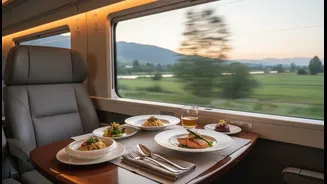
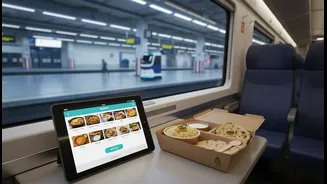
Not long ago, a long-distance train journey in India meant a choice between homemade parathas, questionable platform snacks, or the pantry car's limited menu. Today, that is rapidly changing. IRCTC's official e-Catering service, along with authorised
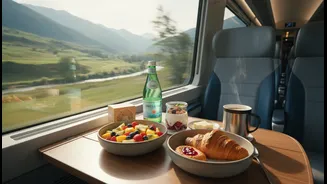
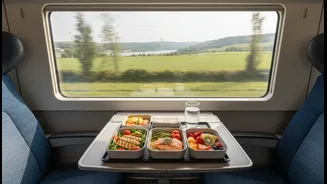
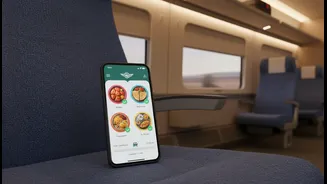
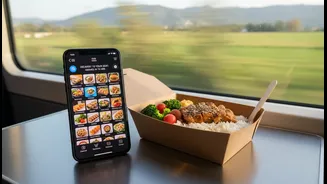
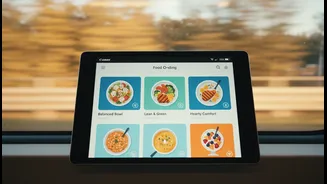
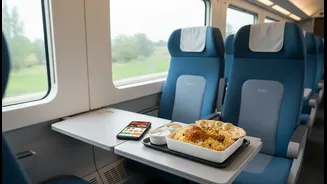
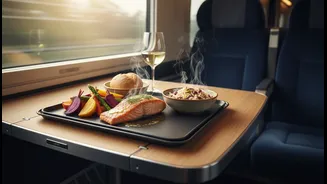
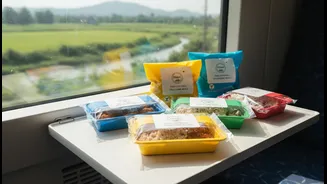
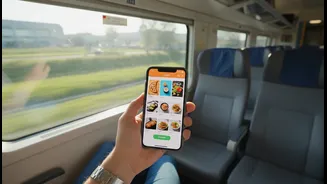
third-party aggregators like Zoop and RailRestro, has created a thriving digital marketplace. Passengers can now use their PNR number to order from a wide array of local restaurants, with food delivered directly to their seats at upcoming stations. The numbers are staggering: IRCTC's e-catering processes over a lakh meal bookings on an average day, while partners like ixigo and Zoop report hitting milestones of 10,000 daily meals. This isn't just a trend; it's a fundamental rewiring of a core travel experience, driven by digital access and a demand for better quality and choice.
Lesson 1: The New Hyper-Local Logistics
Delivering a pizza to a fixed address is one thing; delivering a hot meal to a specific seat on a moving train that might be delayed is another challenge entirely. This trend is a masterclass in hyper-local logistics, requiring precise coordination between passengers, apps, restaurants, and real-time train tracking. Platforms use the passenger's PNR to monitor the train's actual running status, not just its schedule, adjusting preparation and delivery times automatically. A restaurant partner at Patna Junction knows exactly when to prepare an order for a train that's running 45 minutes late. This demonstrates a growing consumer expectation: convenience is no longer just about getting what you want, but getting it precisely where and when you want it, no matter how complex the logistics.
Lesson 2: Trust Is the Ultimate Currency
Why has this model succeeded so quickly? It solves a deep-seated problem of trust. For years, concerns over the quality and hygiene of train food have been common, with thousands of official complaints filed annually. Digital platforms provide a solution by acting as a trusted middleman. They offer access to FSSAI-approved restaurants, complete with user ratings and reviews, replacing the uncertainty of platform vendors with a curated, reliable system. This shift shows that in a digital economy, the platform that best builds and maintains trust often wins. Consumers are not just paying for food; they are paying for the peace of mind that comes from a vetted and transparent process.
Lesson 3: The Rise of 'Planned Spontaneity'
Ordering food on a train is a unique consumer behaviour. It isn't a purely spontaneous act like ordering dinner from your couch, nor is it a rigid, long-term plan. It's a hybrid: 'planned spontaneity'. A passenger can decide hours in advance what they'd like to eat for lunch or dinner later in their journey. They use a digital tool to schedule a moment of choice and satisfaction for their future self. This behaviour is a powerful indicator for the broader digital meal planning market. It shows that people are increasingly comfortable using technology not just for immediate gratification but to structure and enhance their future experiences. It's about embedding moments of curated choice into a pre-planned schedule.
From Train Tracks to Dinner Tables
So what does the popularity of ordering a Veg Thali on the Bengaluru Sampark Kranti Express have to do with weekly meal planning at home? Everything. The behaviours seen on trains are a precursor to how we will manage our daily food lives. The success of train food apps highlights a desire for variety, convenience, and control over our meals. This same desire is now fueling a new generation of AI-driven meal planning apps for the home. These apps promise to create customised weekly meal plans based on dietary needs, automatically generate grocery lists, and even connect with grocery delivery services. Just as train passengers schedule a future meal, families will soon 'pre-order' their entire week of eating, moving from the stress of daily decisions to a more automated, planned approach.