



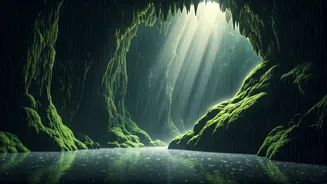


The Abode of Clouds' Labyrinth
Meghalaya is India's caving capital, home to a sprawling network of sandstone caves, and Krem Liat Prah is its crown jewel. As the longest known natural cave in India, this isn't a casual stroll. Reaching it involves a trek through the lush, rain-soaked
forests of the Jaintia Hills. The thrill here is one of pure exploration. You'll need a guide, proper gear, and a stomach for tight squeezes and vast, echoing chambers. The beauty is raw and geological: underground rivers carving paths through ancient rock, immense caverns decorated with calcite formations, and the profound silence of a world untouched by sunlight. This is less of a tourist trail and more of an expedition, offering a genuine sense of discovery for those willing to venture deep into the 'abode of clouds'.
The Underworld of Andhra
While Meghalaya's caves are born of rain and sandstone, the Belum Caves in Andhra Pradesh offer a different kind of subterranean magic. As the second-longest cave system on the Indian plains, it was formed by the constant flow of an underground river through black limestone. The trail here is more developed but no less thrilling. You descend a staircase into the earth and emerge into a world of otherworldly formations. Strategic lighting highlights long, winding passages, deep chambers, and a mesmerising section called Saptasvarala Guha, or the 'chamber of seven notes', where the stalactites produce musical sounds when tapped. The beauty lies in its stark, alien landscape and the sheer scale of its underground galleries, making you feel like an explorer on another planet.
The Spiritual Gateway
Not all thrills are physical. In the Kumaon region of Uttarakhand, the Patal Bhuvaneshwar cave temple offers a journey that is both spiritual and subterranean. The trail begins with a descent of 90 feet through a narrow, stone-carved tunnel. Inside, it’s not just a cave but a world steeped in Hindu mythology. The limestone rock formations, shaped over centuries by water, are interpreted as representations of various deities and mythological events—from the hairs of Lord Shiva to the celestial elephant Airavata. The thrill is in the potent blend of faith and natural wonder, the feeling of walking through a sacred story carved by nature itself. A local priest guides you through the darkness, illuminating the significance of each formation, making it a profoundly moving experience that transcends simple sightseeing.
The Million-Year-Old Art Gallery
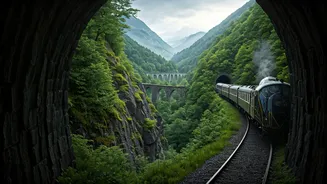
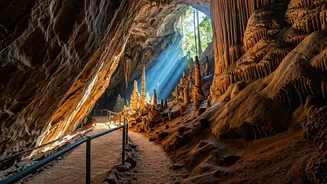
Nestled in the Ananthagiri Hills of the Araku Valley, the Borra Caves are a testament to nature's artistry. Believed to be over a million years old, these karstic limestone caves are among the deepest in the country. The journey to the caves is part of the charm, often involving a scenic train ride through tunnels and over bridges. Inside, the caves are a spectacular gallery of stalactites and stalagmites. Sunlight pierces through gaps in the ceiling, creating dramatic light shafts that illuminate the bizarre and beautiful shapes. Local legends connect the caves to stories of Lord Shiva, adding a layer of cultural significance. The beauty is overwhelming and visual; formations resembling a human brain, a mother and child, and various deities spark the imagination, making it a perfect spot for photographers and geology enthusiasts alike.