






The September Weather Puzzle
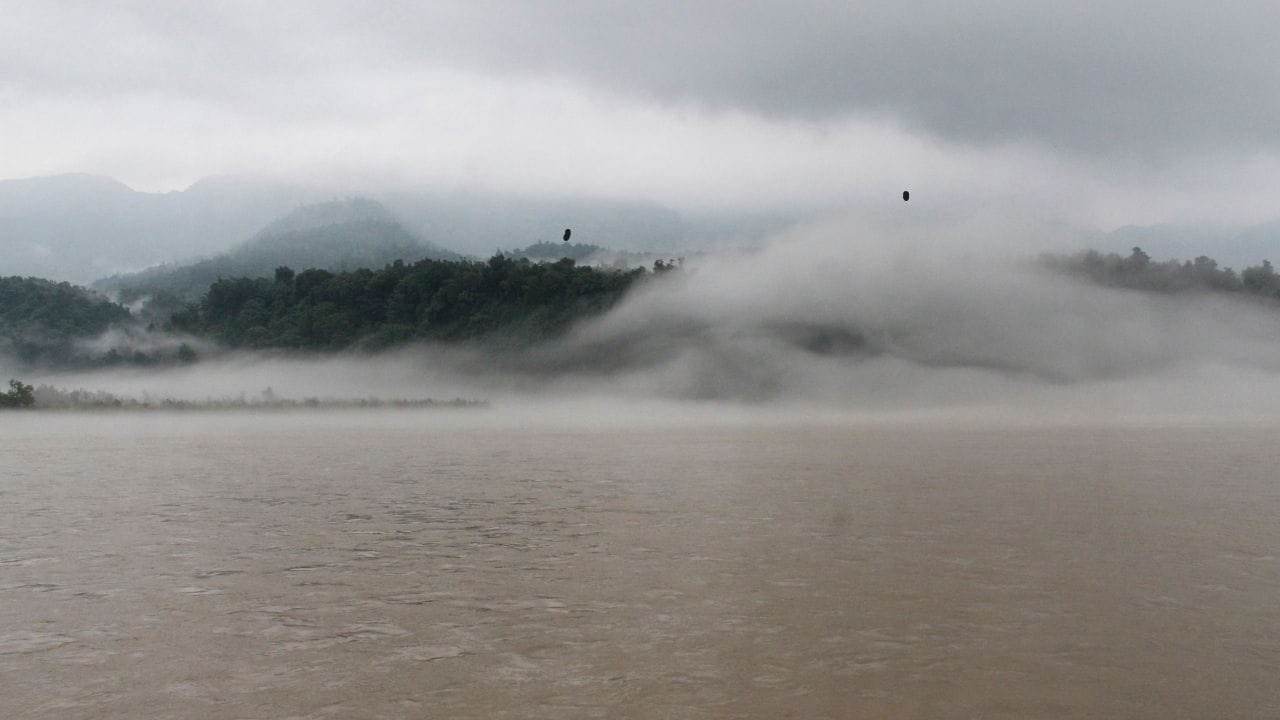
September in India is a month of transition. The vigorous southwest monsoon, which drenches most of the country from June to August, begins its gradual retreat. This withdrawal doesn't happen overnight; it's a slow process that starts in the northwest
around mid-September and can take until December to fully exit the subcontinent. What this means for travellers is a mixed bag of weather. While rainfall generally lessens, humidity can remain high, and sunny days are often punctuated by brief, intense showers. The northern and western parts of the country tend to dry out first, while the monsoon's presence lingers longer in the east and south. Adding to the complexity, the post-monsoon period of October and November is a peak season for cyclones in the Bay of Bengal, and September can sometimes see this activity begin.
Chasing Green Post-Monsoon Landscapes
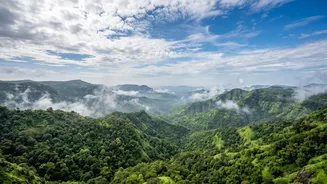
For those who love lush scenery, September is a golden month. The retreating rains leave the landscape incredibly green and vibrant. Hill stations that were drenched and misty just weeks before are now washed clean and bursting with life. Destinations in Kerala, like Munnar and Alleppey, are particularly beautiful as the backwaters are full and the tea plantations are at their most vivid. Similarly, hill stations in Karnataka such as Coorg and Chikmagalur offer spectacular post-monsoon beauty. In the north, places like Dharamshala and Shimla in Himachal Pradesh become inviting, with clearer skies and comfortable temperatures perfect for exploring. This is the ideal time to witness these regions in their full natural glory before the drier winter months arrive.
Seeking Sunshine and Dry Days
If guaranteed sunshine is your priority, your best bet is to follow the monsoon's retreat. Rajasthan is an excellent choice for a September trip. With minimal rainfall and lower humidity than in peak summer, cities like Udaipur, Jaipur, and Jaisalmer become accessible and pleasant for sightseeing. The palaces and lakes appear fresh after the rains, and you’ll beat the peak tourist rush that begins in October. Further north, Ladakh and the Spiti Valley in Himachal Pradesh are also fantastic options, as they lie in a rain-shadow area and experience clear, crisp weather, making it a great time for trekking and mountain sightseeing before the winter snows arrive.
Considering an International Escape
September is also a prime “shoulder season” for many international destinations, offering a sweet spot of good weather, fewer crowds, and lower prices. The Mediterranean is a strong contender, with countries like Greece, Italy, and Portugal still enjoying warm, sunny days and swimmable seas but without the intense heat and crowds of July and August. For a different kind of adventure, it's an excellent time for a safari in Kenya or South Africa, where thinning vegetation makes wildlife easier to spot. Culture-focused travellers might look to Japan or Morocco, which also experience pleasant weather during this month.
Your Smart Booking Checklist
A weather-smart approach isn't just about where you go, but how you book. First, embrace flexibility. Look for flights and hotels with reasonable cancellation or change policies. This gives you an exit strategy if a last-minute weather system, like a cyclonic depression, appears on the forecast. Second, pack strategically. Layers are your best friend during a transitional weather month. Include lightweight rain gear, quick-drying clothes, and something warm for cooler evenings. Third, check operating hours. In shoulder seasons, some attractions or restaurants may have reduced hours, so it's wise to verify timings for your must-see spots. Finally, have a backup plan. Instead of a rigid itinerary, create a list of both indoor and outdoor activities. That way, a rainy day doesn’t ruin your plans but simply redirects them, perhaps to a local museum, cooking class, or market.