







The Passport on Your Plate
A meal can be more than just sustenance; it can be a destination. This is the core idea behind the rise of culinary tourism, a trend that sees travellers increasingly motivated by food. [4, 6] But you don't need a plane ticket to participate. As more chefs
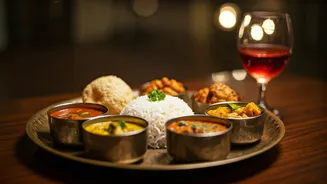
and restaurants champion hyper-local and regional Indian cuisines, they are essentially offering a passport to different cultures, one dish at a time. [3, 10] Each plate tells a story of a place's history, geography, and traditions. [9, 21] When you taste a dish, you are tasting the identity of a destination, from its climate and local ingredients to the generational wisdom in its recipes. [14, 21] This transformation of dining into an act of exploration is changing how we think about both food and travel.
A Symphony for the Senses
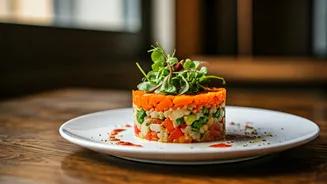
Why does a particular spice instantly transport you back to a memorable holiday? The answer lies in our brain's wiring. The perception of flavour is a multisensory experience involving taste, smell, sight, and even sound. [22, 25] The olfactory system (smell) has a direct link to the brain's centers for emotion and memory (the amygdala and hippocampus). [25] This is why a scent or taste can trigger what’s known as a “Proustian moment,” an involuntary, vivid memory of a past experience. [16] The burgeoning field of gastrophysics studies how everything from the colour of the plate to the background music in a restaurant influences our perception of flavour. [2, 8] By understanding this, chefs can curate dining experiences that are not just delicious, but emotionally resonant and memorable, creating a powerful sense of place. [12, 17]
Beyond Butter Chicken and Biryani
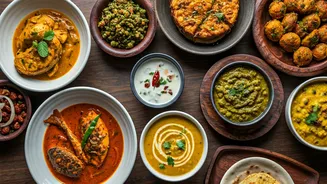
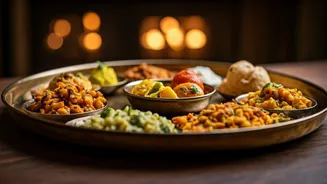
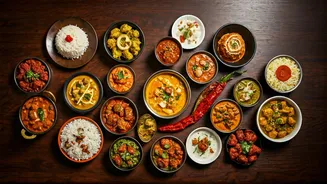
For years, the perception of Indian food, both at home and abroad, was limited to a few popular dishes. [3] That narrative is rapidly changing. A new wave of chefs is championing the incredible diversity of India's hyper-local cuisines, many of which rarely left their home kitchens until now. [18] Think of the spicy, coconut-rich dishes of Tuluva cuisine from coastal Karnataka, or the earthy, slow-cooked meals of Garhwali food from Uttarakhand, which traditionally avoids onion and garlic. [20, 24] Naga cuisine, with its smoked meats and fermented ingredients like axone, offers a taste of the Northeast, while the Ravuthar cuisine of South India presents a unique blend of Persian, Turkish, and Tamil influences. [11, 18] Chefs like Nilza Wangmo in Ladakh with Alchi Kitchen and the team behind O Pedro in Mumbai, focusing on Goan food, are dedicated to preserving and showcasing these authentic regional stories. [10] These culinary pioneers are proving that Indian food is a vast, evolving mosaic of flavours. [20]
Bringing the Journey to Your Table
This culinary movement isn't confined to fine-dining establishments. It's a widespread shift, visible in pop-up dinners, curated food festivals, and even home delivery brands that offer access to specific regional meals. [18] This trend reflects a growing curiosity among diners who want to know the story behind their food. [3] They are eager to explore unique ingredients and traditional cooking methods. [4] This has led to a boom in food-centric travel experiences, from city food walks to cooking workshops and farm-to-table dining. [4, 5, 19] Hospitality brands are increasingly positioning food as a central part of the experience, with menus that act as cultural ambassadors. [5, 30] They are creating immersive dining journeys that become as memorable as the destination itself, allowing guests to connect with local culture in a profound and delicious way. [5, 14]