



The Moisture Myth Explained
It seems logical: since fruit is full of water, adding a little extra should keep it hydrated and fresh, right? Unfortunately, this is one of the biggest mistakes you can make. Excess moisture is the primary enemy of fresh fruit, especially after it has
been picked. When you add water to a container of fruit, you create a humid environment that is the perfect breeding ground for mold and bacteria. These microscopic organisms thrive in damp conditions and will rapidly begin to break down the fruit's delicate skin and flesh, leading to spoilage, off-flavours, and a mushy texture. Think of it this way: the fruit already contains all the water it needs. Your job is to manage the external environment, not to add more liquid to it.
Why Dryness is Your Ally
Fruits are living organisms that continue to respire even after being harvested. This process releases moisture and gases. If that moisture is trapped in an airtight, wet container, it accelerates decay. The goal for travel is to keep the fruit’s surface as dry as possible to slow down the growth of spoilage-causing microbes. A dry surface inhibits mold spores from taking hold and multiplying. This is why many experts recommend not washing certain fruits, like berries, until just before you plan to eat them. If you must wash fruit beforehand, drying it thoroughly is non-negotiable. Spreading fruit on a clean towel and patting it dry, or even giving it a gentle ride in a salad spinner lined with paper towels, can make a world of difference.
Smarter Packing Starts at Home
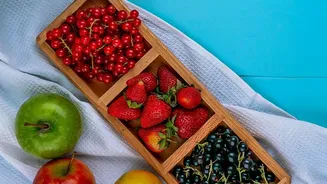
The key to fresh travel fruit begins with selection and prep. Start with the firmest, freshest fruit you can find, with no visible bruises or blemishes. For longer trips, choose hardier fruits like apples, oranges, and unripe pears that travel well whole. Softer fruits like peaches, plums, and kiwi should be packed with care to prevent bruising. For berries, which are highly susceptible to mold, consider a pre-storage vinegar wash. A brief soak in a solution of three parts water to one part white vinegar can kill existing mold spores on the surface. Just be sure to rinse and, most importantly, dry them completely before packing.
Choose Your Containers Wisely
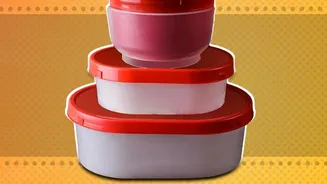
Your choice of container is crucial. Forget flimsy plastic bags, which trap moisture and offer no protection from crushing. Instead, opt for containers that protect the fruit and manage moisture. For many fruits, a container with some ventilation is ideal to allow respiratory gases and moisture to escape. You can find produce-saver containers with built-in vents and raised inserts that keep fruit from sitting in any liquid. A low-tech solution is to use a standard container but leave the lid slightly ajar or line the bottom with a folded paper towel to absorb excess moisture. For sturdy, cut fruit like melon or pineapple, an airtight container is best to prevent leaks and maintain freshness, but always ensure the fruit itself is dry when packed.
A Quick Guide for Popular Fruits
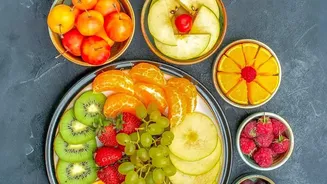
Not all fruits are created equal when it comes to travel. Here’s how to handle a few common favourites: Apples and Oranges: The easiest of all. Their natural peel is the perfect travel container. Pack them whole and wash before eating. Bananas: Pack them while they are still slightly green and handle with care. Their peel bruises easily, which hastens ripening and decay. Berries: Highly delicate. Use a shallow, breathable container lined with a paper towel. Store them in a single layer if possible to prevent the ones on the bottom from getting crushed. Grapes: Keep them on the stem, which helps them stay fresh longer. Pack in a ventilated or loosely covered container. Cut Melon, Pineapple, and Mango: Once cut, these fruits must be kept cold in an airtight container to stay fresh and safe. Pack them in a cooler with an ice pack for best results.