






The Problem with the Quick Fix
We’ve all done it. You have guests coming over, or last night’s tadka still lingers in the air. You reach for an aerosol air freshener, press the button, and a powerful, cloying mist fills the room. For a moment, the unwanted smell is gone, replaced by
an aggressive ‘ocean breeze’ or ‘spring meadow.’ But the effect is temporary and often unpleasant in its own right. These sprays work by masking odours with strong synthetic perfumes or by using chemicals that coat your nasal passages to dull your sense of smell. They don't eliminate the source of the smell; they just shout over it. Moreover, many commercial air fresheners release volatile organic compounds (VOCs) into your home, contributing to indoor air pollution and potentially irritating for those with sensitivities.
Embracing the Ritual of Scent
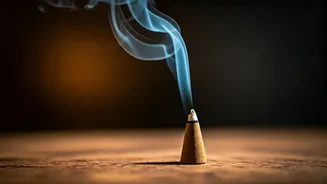
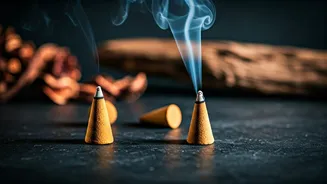
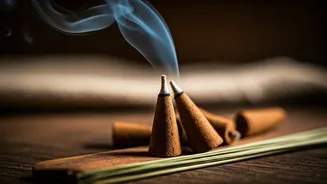
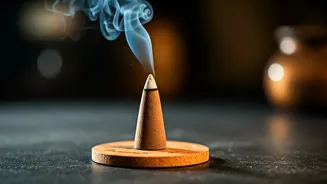
Artisan incense cones, often known in India as 'dhoop', offer a completely different philosophy. This isn’t about a quick, chemical blast. It's about a slow, deliberate ritual. The act of choosing a cone, placing it on a heatproof holder, and lighting the tip is a moment of mindfulness. As the cone smoulders, it doesn't release a harsh mist but a gentle, fragrant plume of smoke that rises and slowly perfumes the space. The scent is typically more complex, subtle, and natural. It doesn’t just cover up other smells; it creates an atmosphere. It can be grounding before your morning meditation, calming after a long day at work, or welcoming when you have friends over. It’s an experience for the senses, not just a utility.
Natural Ingredients vs. Synthetic Chemicals
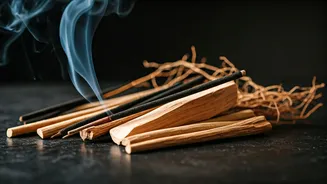
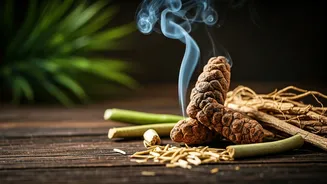
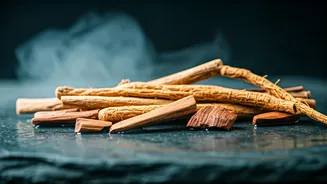
The fundamental difference lies in the ingredients. A typical air spray contains a cocktail of synthetic fragrances, propellants, and chemical compounds like phthalates, which are used to make scents last longer. The exact formulations are often protected as trade secrets, so you rarely know what you’re actually spraying into your air. High-quality artisan incense cones, on the other hand, are crafted from a simple, transparent list of natural materials. The base is often a blend of powdered wood, plant-based gums, and resins. The fragrance comes from pure essential oils, ground spices, and botanicals. Think of ingredients like grounding sandalwood (chandan), purifying frankincense (loban), calming lavender, or earthy patchouli. These are scents derived directly from nature, offering a more authentic and less overwhelming aromatic experience.
Finding Your Perfect Artisan Cone
Making the switch is an exciting journey of discovery. When shopping for incense cones, look for brands that are transparent about their ingredients. The best ones will proudly list what's inside. Avoid anything with vague terms like ‘fragrance oils’ or ‘perfume,’ which often indicate synthetics. Instead, seek out those that specify ‘100% essential oils’ and natural binders. Explore scents that appeal to you. For a classic, spiritual aroma, you can’t go wrong with chandan or loban. For something more floral and relaxing, look for rose or jasmine. Many modern Indian brands are also creating innovative blends, mixing traditional ingredients with contemporary notes. Don't be afraid to experiment with sampler packs to find the scents that resonate most with your mood and your home.
How to Use Incense Cones Safely
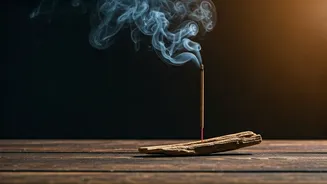
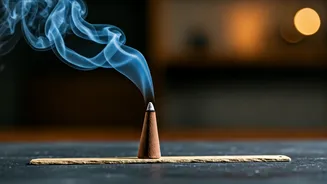
Using incense cones is simple, but a few safety precautions are essential. Always place the cone on a dedicated, heat-resistant incense burner or a ceramic dish filled with sand or ash. This will protect your surfaces and catch any falling ash. Place the burner on a stable, level surface away from anything flammable, such as curtains, books, or bedding. Light the very tip of the cone, let the flame catch for a few seconds, and then gently blow it out. The tip should be glowing red and smouldering, releasing a steady stream of smoke. Most importantly, ensure the room has some ventilation. You don’t need a strong draft, but cracking open a window allows the smoke to disperse and prevents the fragrance from becoming too concentrated. And of course, never leave burning incense unattended.