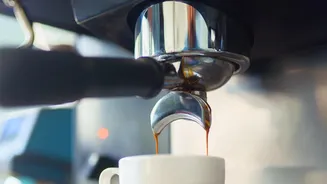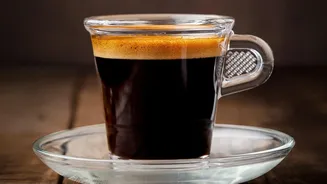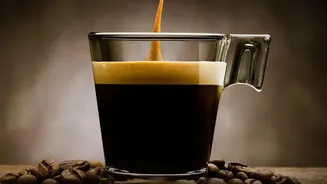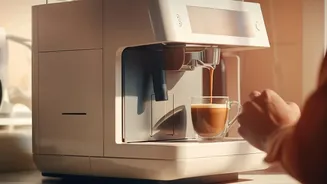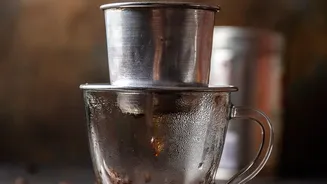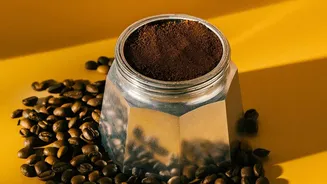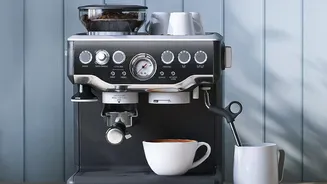

That intense, rich, and aromatic coffee from your favourite café can feel like an impossible luxury to recreate at home. But you don't need a bulky, expensive machine to brew a powerful, espresso-style cup that kickstarts your morning.
First, What Does 'Strong' Mean?
Before you start
brewing, it's helpful to know what 'strong' coffee really means, as it can refer to two different things. The first is flavour intensity—a bold, rich, and full-bodied taste. The second is caffeine content. It's a common myth that a darker, more bitter-tasting coffee always has more caffeine. In fact, the bean type and brewing method are bigger factors. For a high-caffeine kick, look for Robusta beans, which can have nearly double the caffeine of their Arabica counterparts. For intense flavour, a dark roast Arabica or a blend of the two often works best. This guide focuses on achieving that bold, concentrated flavour reminiscent of a café espresso.
The Foundation: Choosing Your Beans
The journey to a great cup starts with the right beans. For a concentrated, espresso-style brew, a medium-dark or dark roast is a reliable choice. These roasts develop richer, deeper flavours and reduce acidity, which stands up well to the brewing methods below. Look for beans labelled as 'espresso roast,' as these are specifically blended and roasted to produce a balanced, powerful shot. While Arabica beans are known for their nuanced, aromatic flavours, don't overlook blends that include some Robusta. A well-crafted Arabica-Robusta blend can provide the best of both worlds: the caffeine punch and thick crema from the Robusta, balanced by the smooth, complex notes of the Arabica. Above all, always use freshly roasted beans and grind them just before you brew for the best possible flavour.
Method 1: The Moka Pot
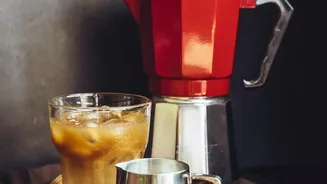
Often called a 'stovetop espresso maker', the Moka pot is a classic Italian invention that uses steam pressure to push water through coffee grounds, creating a rich and intense brew. While it doesn't generate the nine bars of pressure of a true espresso machine, it produces a concentrated coffee that is the closest you can get on a stovetop. To start, fill the bottom chamber with hot water just below the safety valve. Fill the filter basket with finely ground coffee, but do not tamp it down. Screw the top on tightly and place it on a medium-low heat. Once the coffee begins to flow into the top chamber, listen closely. As soon as it starts to sputter or gurgle, remove it from the heat immediately to prevent a bitter taste.
Method 2: The AeroPress
The AeroPress is a brilliantly versatile and forgiving brewer that uses air pressure to create a clean, concentrated shot of coffee. Its manual plunger system allows for a quick extraction that avoids the bitterness sometimes associated with other methods. For an espresso-style shot, use a fine grind—a little coarser than you would for a traditional espresso machine. A common recipe is to use around 18-20 grams of coffee to just 50-70 grams of water heated to about 95°C. After pouring the water over the grounds, stir for about 10 seconds, insert the plunger, and press down firmly and steadily for 20 to 30 seconds. You'll be left with a small, potent shot that's perfect on its own or as a base for a latte or Americano.
Method 3: The French Press
While typically used for a longer, milder brew, a French press can be adapted to make a surprisingly strong and full-bodied coffee. The key is to dramatically change your coffee-to-water ratio. Instead of the standard 1:15 ratio, aim for a much stronger concentration, such as 1:10 or even 1:7. Use a coarse grind to avoid sludge in your final cup. Add your coffee grounds to the carafe, pour over hot water (just off the boil), and let it steep for four minutes. When you press the plunger, do so slowly and evenly. It's important to decant the coffee immediately after plunging to stop the extraction process, which prevents the brew from becoming overly bitter. This method produces a heavy, rich concentrate rather than a true espresso, but it's a fantastic and simple option using a brewer many already own.