





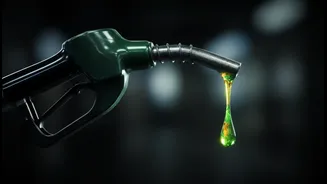


What Exactly is E20 Fuel?
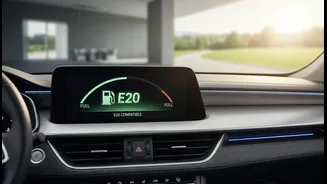
E20 fuel is a specific blend of petrol that consists of 20% ethanol and 80% petrol. Ethanol is a biofuel, an alcohol produced from renewable agricultural sources like sugarcane, maize, and other grains. The push for E20 is a strategic move by the Indian
government to achieve several key objectives at once: reduce the country's heavy dependence on imported crude oil, lower vehicular emissions, and provide an additional income stream for farmers. This isn't just a niche option; E20 is now the standard petrol available at pumps across the country, replacing the earlier E10 (10% ethanol) blend. This mandatory rollout means that the entire automotive ecosystem, from manufacturers to consumers, is adapting to this new fuel standard.
Making Cars Ready for E20
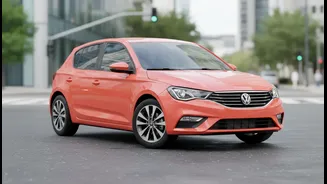
You can't just pour a higher ethanol blend into any car without potential issues. Ethanol is more corrosive than petrol and can degrade certain types of rubber and plastic components over time. To make vehicles E20-compatible, manufacturers have made crucial hardware changes. This includes using more robust materials for fuel lines, seals, and injectors that can withstand ethanol's properties. Beyond materials, the engine's brain, the Engine Control Unit (ECU), is recalibrated. This software tuning ensures the engine adjusts its combustion process for the different properties of E20 fuel, which has a higher octane rating than older petrol, potentially leading to smoother performance. Since April 2023, all new cars sold in India must be E20-compliant, and major manufacturers like Maruti Suzuki, Hyundai, Tata Motors, and Toyota have updated their entire model lineups accordingly.
The Link to Stricter Emission and Safety Norms
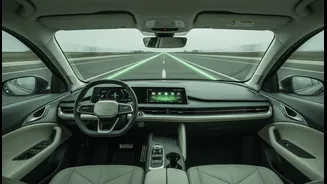
The transition to E20 didn't happen in a vacuum. It's deeply connected to the implementation of Bharat Stage 6 (BS6) Phase 2 emission norms, which came into effect in April 2023. These regulations are about more than just what comes out of the tailpipe in a lab; they mandate that vehicles meet emission standards in real-world driving conditions, a system known as Real Driving Emissions (RDE) testing. To ensure compliance over the vehicle's lifetime, the government also mandated a more advanced On-Board Diagnostics (OBD-2) system. This convergence means that the same regulatory push that brought in a cleaner fuel also ushered in a more sophisticated system for monitoring the vehicle's health and emissions performance, creating a dual benefit for the environment and the owner.
How OBD-2 Acts as a Safety Sentinel
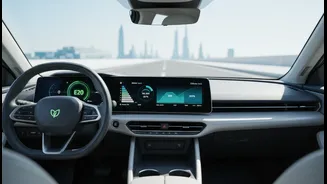
The OBD-2 system is the unsung hero of this transition. It's an intelligent, self-diagnosing computer integrated into the car that continuously monitors the engine, fuel system, and emission control components. If it detects a malfunction—say, a sensor failing or the fuel blend causing an issue that could lead to higher emissions or engine damage—it alerts the driver via a warning light on the dashboard (often the 'check engine' light). This system acts as a crucial safety net. It ensures the vehicle is not only running efficiently with the new E20 fuel but also remaining within its mandated emission limits. For a technician, the OBD-2 port provides a direct window into the car's health, allowing for quick and accurate diagnosis of any problems, making maintenance for these advanced vehicles more straightforward.
The Real-World Impact for Car Owners
For owners of new, E20-compatible cars, the primary benefits are contributing to a cleaner environment and national energy security. The higher octane rating of E20 fuel can also result in smoother engine operation. However, there is a widely acknowledged trade-off: a slight decrease in fuel efficiency. Because ethanol has a lower energy density than petrol, a vehicle might see its mileage drop by around 5-7%. While there have been consumer concerns, automakers have clarified that their BS6 Phase 2 vehicles are materially compatible and designed to handle E20 fuel safely over the long term. For owners of older, pre-2023 vehicles not specifically designed for E20, there is a risk of long-term wear on fuel system components, though many manufacturers state that even E10-certified vehicles can run on E20.