






The Hidden Power in the Peel
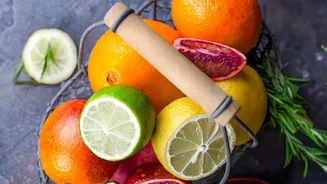
Before you dismiss citrus peels as bitter scraps, consider their nutritional profile. They are packed with beneficial compounds that you won't find in the juice alone. The peel and the white pith are rich in flavonoids like hesperidin and polymethoxyflavones
(PMFs), which have antioxidant and anti-inflammatory properties. More importantly for gut health, citrus peels are an excellent source of pectin, a type of soluble fibre. Pectin acts as a prebiotic, which means it provides food for the beneficial bacteria in your gut, such as Bifidobacterium and Lactobacillus. When these good bacteria ferment pectin, they produce short-chain fatty acids (SCFAs), which help reduce inflammation, strengthen the intestinal lining, and support overall digestive wellness.
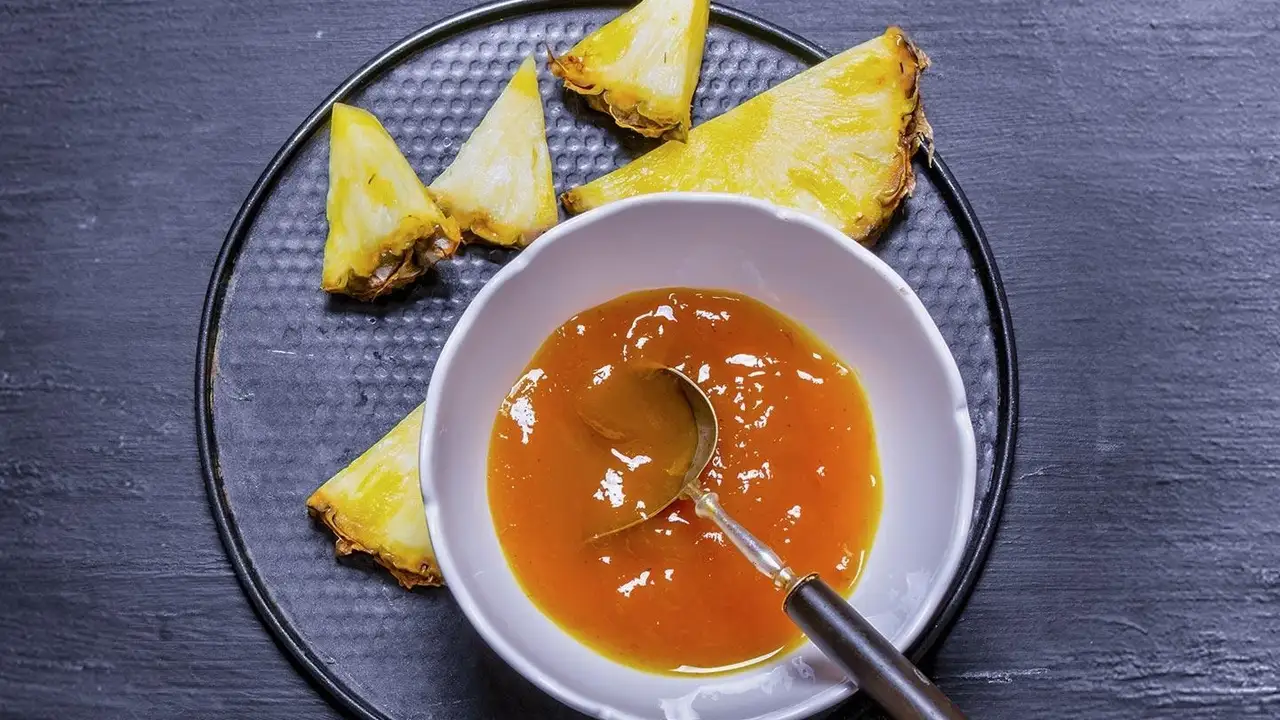
A Quick and Zesty Basic Chutney
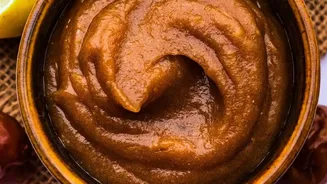
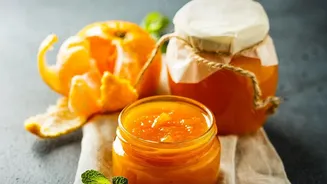
Making this chutney is simpler than you think and a fantastic way to practice zero-waste cooking. The 'in minutes' claim is achievable with a bit of prep. To start, you'll need the peel of 2-3 large oranges or 6-7 lemons. For a balanced flavour, it's often recommended to boil the peels for a few minutes to reduce some of their natural bitterness. After boiling, finely chop or blitz the peels in a food processor. For a simple no-cook version using lemon peels, you can grind the raw peels into a paste with an equal amount of sugar, some salt, black salt, cumin powder, and a pinch of asafoetida (hing). For a cooked version, heat a little oil in a pan, sauté the chopped peels with onions, add spices like coriander and chilli powder, and then simmer with tamarind pulp and a touch of jaggery or sugar for sweetness. This process takes about 15-20 minutes from start to finish.
Mastering the Flavour Profile
The beauty of a homemade chutney lies in its customisability. The key is to balance the five primary tastes: sweet, sour, spicy, salty, and bitter. The natural bitterness of the peel provides a complex base. Sweetness can come from sugar, jaggery, dates, or sultanas, which also add texture. Sourness is often introduced through tamarind pulp or vinegar. For spice, you can use fresh ginger, dried red chillies, or a pinch of cayenne pepper. Aromatic spices like roasted cumin, fennel seeds, cinnamon, and fenugreek seeds add depth and warmth. Don't be afraid to experiment. A sprinkle of black salt (kala namak) can add a unique sulfuric tang that complements the citrus notes perfectly.
Creative Variations and Pairings
Once you have the basic method down, you can get creative. Try a combination of different citrus peels, like orange and grapefruit, for a more nuanced flavour. For a chunkier texture, add finely chopped apples or onions to the cooking process. Nuts like chopped almonds or walnuts can introduce a delightful crunch and richness. This versatile condiment is more than just a side dish. Use your citrus peel chutney as a vibrant spread on toast or sandwiches, a tangy accompaniment to grilled meats or fish, or a flavourful mix-in for yoghurt dips. In Indian cuisine, it pairs beautifully with dal and rice, parathas, and snacks like samosas or pakoras, cutting through the richness with its bright, zesty notes.