



The Foundation: Mastering Form
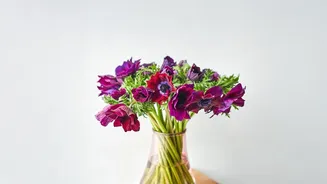
Form is the visual architecture of your floral arrangement—its shape, size, colour, and texture. It’s the first thing people notice. Start by considering the overall shape you want to create. Do you envision something tall and dramatic or low and lush?
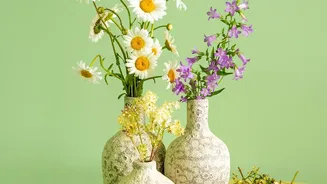
The right vase is critical here. Tall, narrow vases are perfect for long-stemmed flowers like lilies or gladioli, providing essential support. For fuller bouquets with large heads, such as hydrangeas or peonies, a low, wide-mouthed bowl allows the blooms to spread out naturally. Colour theory also plays a vital role. A monochromatic palette, using different shades of the same colour, creates a sophisticated and harmonious look. For a bolder statement, choose complementary colours—those opposite each other on the colour wheel, like blue and orange. Finally, don't forget texture. Combining different textures adds depth and interest. Pair the soft, velvety petals of a rose with the delicate, feathery look of ferns or the rustic feel of branches and seed pods to create a design that is captivating to both see and touch.
The Invisible Allure: Working with Fragrance
Fragrance is the invisible element that can transform an arrangement from beautiful to truly unforgettable. Scent is powerfully tied to memory and emotion, and using it wisely can define the atmosphere of a room. However, the goal is to complement, not overwhelm. When designing an arrangement, consider its placement. A highly fragrant bouquet of lilies or tuberose might be magnificent in a spacious entryway but overpowering on a dining table where it could compete with the aroma of food. Consider layering scents. Soft floral notes from flowers like gardenias or freesias pair well with the clean, green aroma of eucalyptus. Some flowers have little to no scent, which makes them excellent fillers in an arrangement where another bloom is the star fragrance. It's important to ensure the scents of your chosen flowers harmonise rather than clash. A subtle, pleasing fragrance adds a hidden layer of luxury and makes the floral display a more immersive sensory experience.
The Practical Magic: Defining Function
Function is all about tailoring the arrangement to its specific purpose and location. Before you even choose a stem, ask yourself: where will this arrangement live and what role will it play? The answer will guide every decision you make, from scale to shape. For example, a floral centrepiece for a dining table should be kept low. A tall arrangement would block the view across the table and hinder conversation. Conversely, a bouquet destined for a console table in a hallway can afford to be tall and dramatic, creating an immediate focal point upon entry. An arrangement for a bedside table should be smaller in scale and feature flowers with a light, calming scent, or no scent at all, to avoid disrupting sleep. A small bud vase with a single, perfect bloom on a desk can provide a moment of simple beauty without taking up valuable workspace. Thinking about function first ensures your arrangement not only looks beautiful but also enhances the space it occupies in a practical, thoughtful way.
Bringing It All Together: A Harmonious Balance
The true art of floral styling lies in making form, fragrance, and function work together in harmony. They are not separate considerations but interconnected parts of a whole. Let’s imagine styling a coffee table in a living room. For function, the arrangement needs to be relatively low to avoid obstructing the view of the television or conversations. A round vase could work well here, as it encourages a lush, mounded shape. For form, you might choose soft, full blooms like peonies or garden roses as your focal flowers, which carry significant visual weight. You could complement them with smaller filler flowers and interesting foliage to create texture and depth. For fragrance, the living room can handle a gentle scent. The soft perfume of the garden roses would be enough to add a pleasant aroma without being distracting. In this example, the functional need for a low arrangement dictates the form, while the choice of flowers provides both visual beauty and a subtle, inviting fragrance. This synergy is what elevates a simple bouquet into a cohesive piece of design.