


1. The Sunburst Mirror
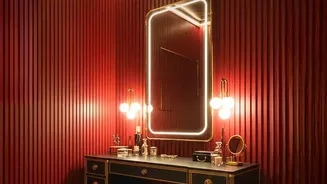
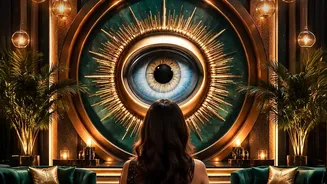
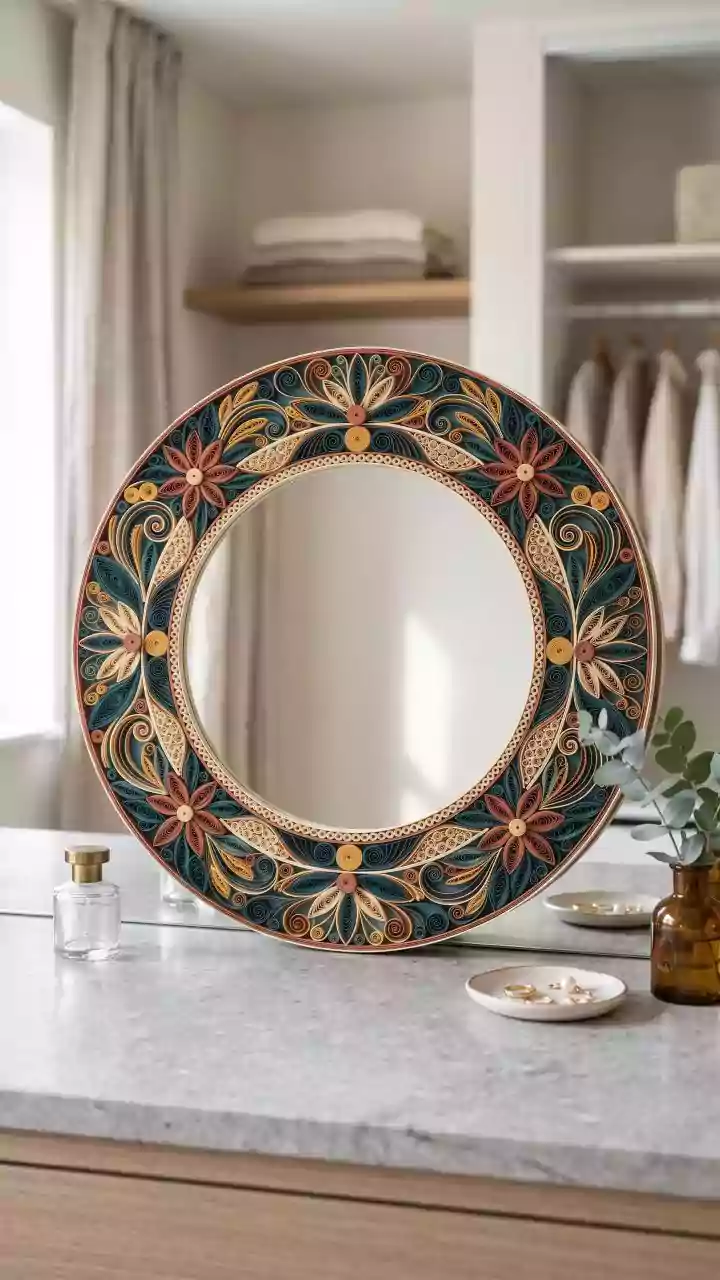
Perhaps no single item screams Art Deco more than the sunburst mirror. This iconic piece, with its central mirror and radiating 'rays', embodies the era's fascination with geometric patterns and symmetry. The sunburst motif itself, a symbol of energy
and optimism, was pervasive during the period, appearing on everything from architecture to jewellery. These mirrors are more than just reflective surfaces; they are sculptural wall art. Often crafted from giltwood, bronze, or silvered iron, they serve as a brilliant focal point above a console table, fireplace, or headboard. Their magic lies in their ability to bounce light and open up a space while adding a dose of pure, unadulterated glamour. A vintage original might feature hand-cut rays of slightly uneven widths and a bevelled mercury glass plate, but modern interpretations capture the same dramatic effect, making it an accessible entry point into the style.
2. Lacquered Cabinets and Sideboards
Art Deco furniture design celebrated luxurious and often exotic materials, and high-gloss lacquer was a prized finish. Sideboards, buffets, and cabinets were transformed into statement pieces with sleek, polished surfaces, often in dramatic black, deep reds, or greens, and frequently contrasted with metallic details. These pieces are defined by their strong, streamlined silhouettes and geometric rigour. Look for features like stepped forms inspired by skyscraper architecture, symmetrical designs, and ornate inlays of metal, mother-of-pearl, or ivory. The hardware itself—often chrome or brass—was integral to the design, not just a functional afterthought. A lacquered cabinet brings a sense of refined opulence to a dining room or living area, offering practical storage within a shell of sophisticated, reflective beauty.
3. Statement Lighting Fixtures
Lighting was a crucial element in creating an Art Deco atmosphere, seen as a way to introduce modernity and drama. The era embraced new technologies, resulting in fixtures that were both sculptural and functional. Art Deco lighting is characterised by its symmetry, geometric forms, and use of materials like polished chrome, brass, and frosted or etched glass. Tiered chandeliers, often resembling the top of the Chrysler Building, create a grand vertical statement in entryways or dining rooms. Wall sconces, designed with fan, shell, or zigzag motifs, provide ambient light while acting as decorative jewels on the wall. These pieces are not meant to be subtle; they are focal points designed to draw the eye and establish a mood of sophisticated glamour.
4. Curved and Upholstered Armchairs
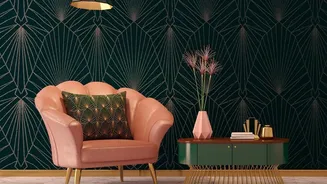
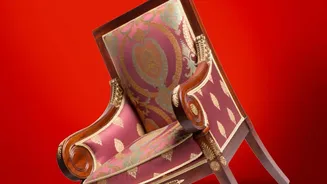
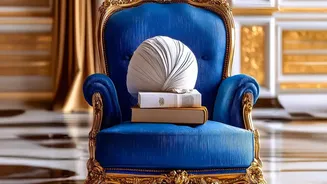
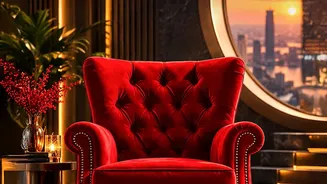
While Art Deco is known for its sharp angles, it also embraced sumptuous curves, especially in seating. Club chairs and lounge chairs from the period feature graceful, rounded silhouettes, often with curved or 'barrel' backs that envelop the sitter. These chairs expertly blend comfort with the era's signature elegance. The frames are often made of wood, with visible, beautifully curved armrests. Upholstery was just as important, with rich textures like velvet being a popular choice for its opulent look and feel. Deep jewel tones or bold patterns were common. These armchairs provide a perfect soft counterpoint to the hard lines and metallic finishes found elsewhere in an Art Deco interior. A single, beautifully crafted armchair in a rich fabric can become a favourite reading spot and an anchor of Art Deco style in a living room or bedroom corner.
5. Bold Geometric Textiles
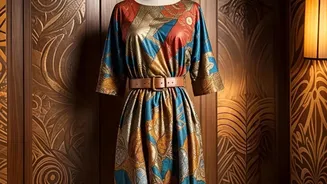
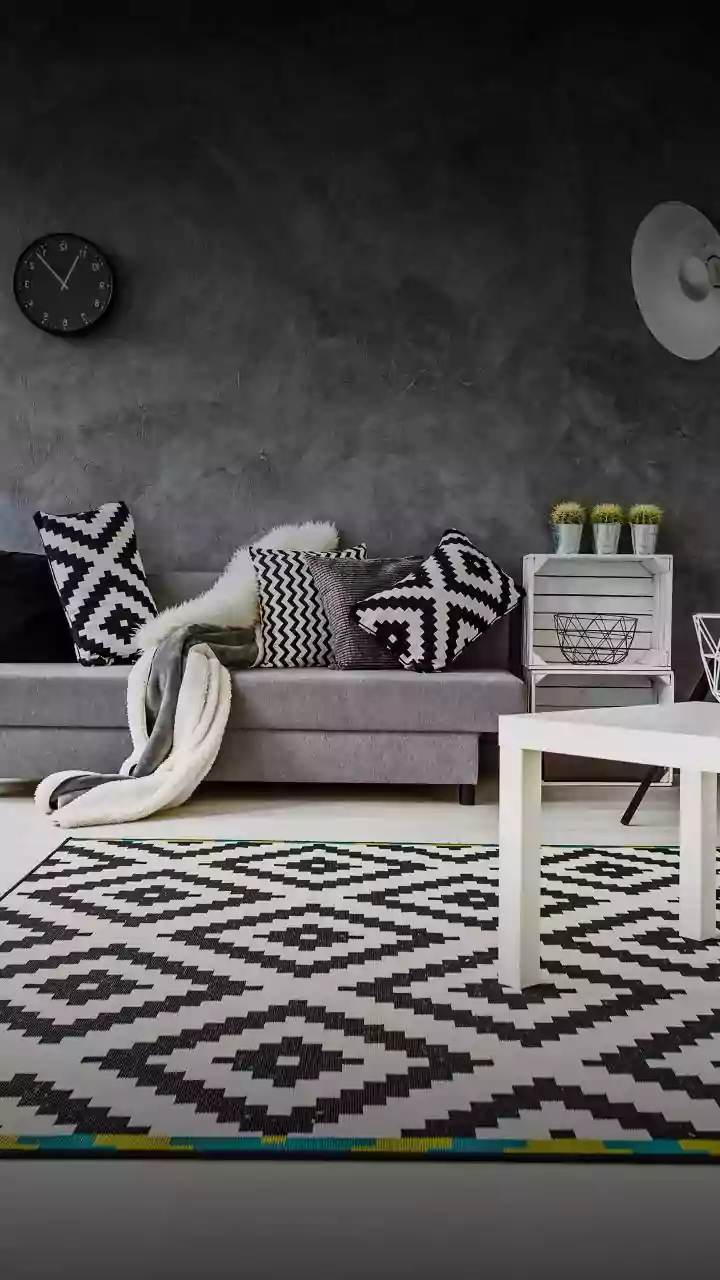
The geometric language of Art Deco was applied to nearly every surface, and textiles were no exception. Rugs, cushions, and upholstery were covered in the style's signature patterns: chevrons, zigzags, repeating fan shapes, and precise, symmetrical grids. These patterns add a layer of visual rhythm and dynamism to a room. A large area rug with a bold geometric design can anchor an entire seating area, defining the space and introducing a strong graphic element. On a smaller scale, throw pillows with stylized motifs can inject a pop of Art Deco flair onto a more contemporary sofa. The colour palettes were often bold, featuring high-contrast combinations like black and gold, or deep jewel tones set against cream or silver, reinforcing the luxurious and confident spirit of the movement.