






An Epidemic of Exhaustion
Millennials, now in their late 20s to early 40s, are officially the burnout generation. Reports have consistently shown that they experience higher rates of burnout than older workers, with some studies finding that roughly seven in 10 feel exhausted
by their jobs. This isn't just about being tired. It’s a state of chronic physical and emotional depletion, fueled by a perfect storm of financial precarity, the 'always-on' pressure of digital work culture, and the psychological weight of starting careers during major economic downturns. For many, the traditional advice—get more sleep, log off earlier—feels impossible when heavy workloads and financial anxieties are constant. The result is a generation that is both sleep-deprived and actively seeking tangible solutions.
The Rise of Sleep Tourism
Enter sleep tourism, one of the biggest travel trends of 2026. Instead of packing itineraries with sightseeing, this growing sector of the wellness industry offers trips built entirely around the goal of better rest. Hotels and resorts are now marketing themselves as sleep sanctuaries, offering everything from basic quiet rooms to high-tech 'smart beds' and personalized sleep-coaching programs. The global sleep tourism market is already worth hundreds of billions of dollars and is projected to grow significantly. This trend isn't just about better pillows; it represents a fundamental shift where rest is no longer a passive activity but the primary purpose of a vacation—a destination in itself.
Inside a Guided Sleep Retreat
So, what exactly happens at a “guided” sleep retreat? It’s far more than a quiet hotel room. These programs are structured, multi-day experiences designed to reset a person's relationship with rest. A typical retreat might include consultations with sleep coaches, workshops on sleep hygiene, and a strict daily schedule involving meditation, breathwork, and yoga nidra (a form of sleep-based meditation). The 'guided' aspect is key; it's about re-learning how to sleep. This often involves a digital detox, with screen time strictly limited. Meals are designed to support sleep, and activities are geared toward calming the nervous system. Some high-end retreats even incorporate medical-style diagnostics, tracking guests' sleep patterns and providing data-driven feedback.
The Allure of the Hills
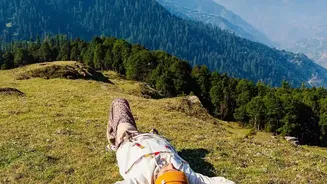
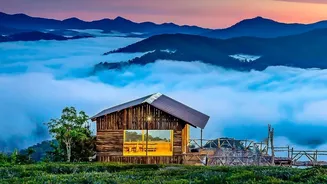
The “hill station” setting is a crucial part of the appeal. While the term is more common in Asia, the concept translates in the U.S. to remote, elevated locations like the Catskills, the Rockies, or the serene forests of California. Heading for the mountains provides a powerful psychological and physical break from the sources of stress. Research suggests that being in nature, particularly in vast, quiet landscapes, reduces cortisol levels and promotes mindfulness. Living at higher altitudes can even have physiological benefits, and the clean air and reduced noise pollution create an ideal environment for deep rest. It’s a literal and metaphorical escape—rising above the daily grind to find peace.
A Pricey Prescription for Peace
This level of curated rest doesn't come cheap. A multi-day sleep retreat can cost anywhere from a few thousand to over ten thousand dollars, depending on the level of luxury and personalization. This has led to a debate: Is this a genuine wellness solution or simply a temporary, expensive band-aid for the privileged? Critics argue that it treats the symptoms of burnout without addressing the root cause—a toxic work culture that drains employees to begin with. While a week of perfect sleep can be restorative, the benefits can quickly fade upon returning to a 60-hour work week. The trend highlights a stark divide, where those with the means can buy back their rest, while others are left to manage their exhaustion on their own.