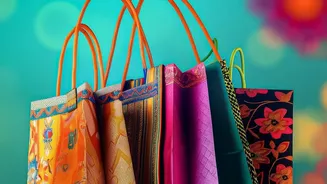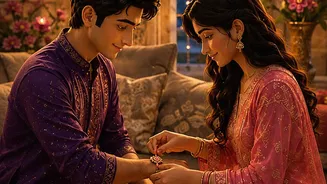






The shimmering cellophane, the perfectly placed ribbons, the sheer heft of a luxury hamper—for years, this was the undisputed symbol of a premium festive gift. But a quiet but significant shift is underway in how Indians are giving and receiving.
The Slow Unravelling of a Tradition
For decades,
festive gifting, especially in the corporate world, followed a predictable script: elaborate hampers filled with gourmet treats, expensive dry fruits, and assorted sweets. While these gifts carried an air of indulgence, their practicality was often questionable. How many glass jars of exotic jam can one family use? What happens to the fifth box of soan papdi that lands at your door? These questions, once whispered, are now driving a market-wide behavioural change. Consumers are becoming more conscious of waste and redundancy, leading them to question the true value of a gift that is impressive but not particularly useful. The grand evolution of Indian gifting proves that many are finally looking beyond the size and glitter of the box.
The Practicality Mandate
The most significant driver of this trend is economic. With rising inflation and tighter household budgets, the calculus of spending has changed. Surveys indicate that while festive spending continues, it is more cautious and deliberate. A 2026 survey noted a projected 6% fall in urban festive spending, with households becoming more cautious about discretionary purchases. This doesn't mean people are spending less overall, but rather spending with greater intention. A gift's value is no longer just in the price tag, but in its 'return on investment'—its ability to be integrated into the recipient's daily life. A useful product becomes a part of a routine, delivering value long after the festive season ends.
A New Corporate Playbook
Nowhere is this shift more apparent than in corporate gifting. Companies are moving away from generic, one-size-fits-all hampers and towards gifts that reflect a genuine understanding of their employees and clients. The trend is leaning towards items with high practical value, such as tech accessories, wellness products, and even subscription services for learning or entertainment. This change is partly driven by the rise of remote and hybrid work culture, where gifts that enhance a home office setup or support well-being are seen as more thoughtful. A high-quality backpack, a wireless charger, or a selfcare kit provides tangible benefits, making the employee feel genuinely valued.
Redefining 'Luxury' and 'Thoughtful'
This trend does not signal the end of luxury, but a redefinition of it. Today, 'luxury' might mean a high_quality, durable tech gadget or a sustainable, handcrafted item from a local artisan rather than a perishable box of imported chocolates. Personalisation has become the new premium. A gift that is customised for the recipient—whether it's an engraved pen or a curated skincare set—shows a level of thought that a generic hamper cannot match. Furthermore, there is a growing consciousness around sustainability. Eco_friendly products and gifts that support local artisans are gaining popularity, as consumers want their spending to align with their values. A gift that tells a story or supports a good cause carries an emotional weight that mass_produced luxury often lacks.
The Psychology of a 'Good' Gift
Ultimately, the shift is rooted in the psychology of what makes a gift feel good to give and receive. While social obligation plays a role, spending on others brings the most happiness when it feels meaningful. A gift that is practical demonstrates an understanding of the recipient's needs and lifestyle. It communicates care. In contrast, an overly extravagant gift can sometimes create a sense of pressure or even guilt, a phenomenon known as the 'reciprocity trap'. The modern Indian giver is becoming savvier, realising that the best gifts are not about the price, but about the relevance and thoughtfulness behind the choice.