


Our Brain on a Diet of Shorts
Platforms like TikTok, Instagram Reels, and YouTube Shorts deliver a constant stream of 15- to 60-second videos. This format is designed for rapid engagement, capitalising on our brain's reward system. Each short, exciting clip provides a small burst
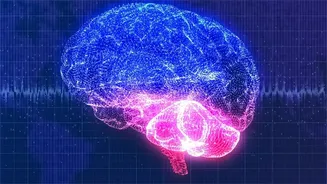
of dopamine, the 'feel-good' chemical. This creates a powerful feedback loop; the more you scroll, the more your brain craves these quick, successive rewards. Neuroscientists and researchers have noted that this pattern can train our brains to expect constant stimulation and instant gratification. Studies suggest a negative correlation between heavy use of short-form content and the ability to maintain sustained focus. After hours spent in this hyper-stimulated digital environment, the slower, deliberate pacing of a traditional two-hour movie can feel like an effort rather than a pleasure.
From Movie Night to Movie Snacking
This change in our cognitive wiring has a direct impact on our viewing habits. The idea of committing to a long film can feel daunting when our brains are accustomed to novelty every few seconds. Many viewers report an inability to get through a movie without reaching for their phone, a phenomenon known as 'second-screening'. This fractured attention leads to pausing movies frequently, watching them in multiple sittings, or in some cases, consuming entire films through a series of clips uploaded to social media platforms. It's a shift from immersive viewing to 'content snacking'. This behaviour isn't just about a lack of discipline; it's a reflection of media consumption habits that prioritise bite-sized, easily digestible information over a prolonged narrative journey. While some argue this hurts the cinematic experience, others see it as a new way of engaging with media in a time-scare world.
How the Film Industry Is Adapting
Hollywood and other film industries have taken notice of this seismic shift. Marketing strategies are evolving rapidly to capture the attention of this new audience. Movie trailers are often cut to mimic the fast pace and visual flair of a viral TikTok video. Studios now frequently partner with influencers to create buzz and leverage social media trends to promote their films. In some cases, a movie's success can be entirely reshaped by its popularity on these platforms, as seen with Disney's 'Encanto', which found massive success after its songs went viral on TikTok. There's also evidence that this is influencing the art of filmmaking itself. Some contemporary movies appear to be adopting faster editing styles and more vibrant, saturated colour palettes that are visually appealing on small screens. Filmmakers are being advised to grab the audience's attention within the first few minutes or risk losing them entirely.
The Future of Cinematic Storytelling
The long-term consequences of this trend are still unfolding. Does this mean the death of the slow-burn drama or the contemplative art-house film? Not necessarily. While some genres may struggle, event films with massive spectacle still draw large crowds willing to disconnect for three hours. Paradoxically, the average runtime of the biggest blockbuster films has actually increased in recent years. This suggests audiences haven't lost their capacity for focus, but have become far more selective about what earns it. The future likely involves a hybrid media landscape. Films might continue to be the main event, but their discovery, discussion, and dissection will happen in the fast-paced world of short-form content. Fan edits, parodies, and analysis clips on platforms like TikTok and YouTube now play a crucial role in a film's cultural life, sometimes even introducing older or niche films to new global audiences.