



The Shifting Tides of Monsoon Travel
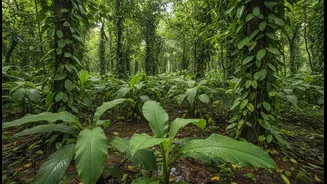
For years, monsoon tourism meant one of two things: either you were an adventurous trekker embracing the lush, slippery trails, or you were hunkered down at home avoiding travel altogether. The rainy season was traditionally considered an off-peak period
for most destinations. However, a significant shift is underway. Travel and hospitality companies report that the monsoon is now emerging as a powerful travel driver in its own right, with booking numbers to prove it. Travellers are increasingly intentional about their holidays, seeking a blend of value, convenience, and memorable moments that aren't dependent on clear skies. This has given rise to a new kind of holidaymaker—one who travels not in spite of the rain, but because of the unique opportunities it presents, many of which are found comfortably indoors.
From Weather Woes to Wellness
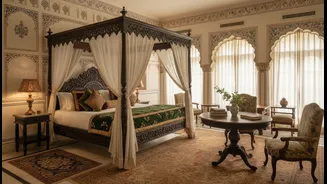
A primary driver of this indoor pivot is practicality. Heavy, unpredictable rainfall can disrupt the most well-laid sightseeing plans, turning a relaxing holiday into a logistical headache. Faced with the choice between cancelled activities and guaranteed comfort, many are opting for the latter. This preference has pushed hotels and resorts to innovate, transforming their properties into all-in-one destinations. Guests are now actively seeking holistic stay experiences that go beyond a simple room. Radisson Hotel Group notes a rising demand for properties with extensive wellness facilities, dedicated indoor recreational offerings, and menus featuring regional and seasonal comfort food. The appeal is clear: you can enjoy the moody, atmospheric backdrop of the rain while indulging in a spa treatment, a gourmet meal, or a quiet swim in a heated indoor pool.
The Rise of the Destination Resort
Hospitality brands are leaning into this trend by marketing their properties as self-contained worlds of leisure. Resorts in popular monsoon getaways like Lonavala, Karjat, and Mahabalipuram are advertising sprawling complexes that cater to every whim, rain or shine. These destinations offer everything from indoor game rooms with snooker and carrom to private mini-theatres, state-of-the-art gyms, and even pickleball courts. For families, this is a game-changer. Properties like Della Resorts in Lonavala and Esthell Village & Leisure Resort near Mahabalipuram are designed to keep all age groups engaged with a mix of adventure activities, kids' play zones, and relaxing pursuits for adults. The focus is on providing a complete experience under one roof, making the weather outside entirely irrelevant.
Urban Escapes and Entertainment Hubs
This trend isn't limited to secluded resorts. In cities, a similar evolution is taking place. The Family Entertainment Center (FEC) market in India is booming, with a projected growth rate of over 13% annually. Malls are no longer just for shopping; they are becoming integrated entertainment hubs. Developers are allocating massive spaces for trampoline parks, VR arcades, bowling alleys, and indoor theme parks. Establishments like Timezone and Smaaash offer a climate-controlled alternative to outdoor fun, attracting families and groups of friends looking to escape the rain. This has been particularly transformative for cities, allowing residents to enjoy a 'staycation' experience without leaving the urban limits. The Indian indoor amusement industry is now valued at approximately INR 15,000 crore, a testament to its growing appeal.
Redefining the Holiday Experience
Ultimately, the move indoors reflects a broader change in what people want from a holiday. According to booking platforms, travellers are increasingly prioritising experiences over destinations. The goal is no longer just to see new places, but to feel refreshed, entertained, and connected with loved ones. Indoor-focused travel offers a reliable way to achieve this. It eliminates the unpredictability of weather while providing a controlled, comfortable, and often luxurious environment for leisure. It's about finding joy in shared activities, whether that's a family board game tournament, learning a new skill in a workshop, or simply reading a book by a window as the rain falls outside. This shift allows for a more relaxed and introspective kind of travel, where the pressure to 'do everything' is replaced by the permission to simply 'be'.