






It Starts with a Barrel
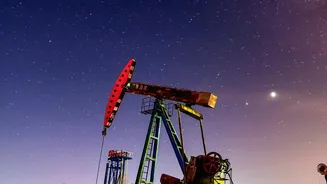
Crude oil is the raw material from which petrol, diesel, and Aviation Turbine Fuel (ATF) are refined. Its price is set on a global market, with benchmarks like Brent crude acting as a reference. As India imports over 85% of its crude oil requirements,
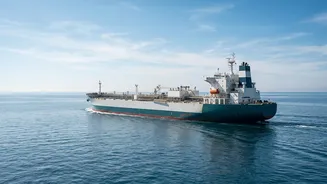
any fluctuation in these international prices has a significant and immediate effect on the Indian economy. Geopolitical tensions, particularly in the Middle East, can disrupt supply and cause prices to surge, as seen with recent conflicts affecting the Strait of Hormuz, a critical route for about 20% of global oil flows. This volatility is the starting point of a long chain reaction that ends at your wallet.
The High Cost of Flying High
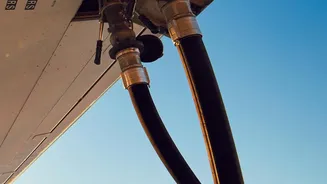
For airlines, fuel is the single largest operating expense. In India, Aviation Turbine Fuel (ATF) can account for 40-50% of an airline's total costs, and under extreme market stress, this can surge to nearly 60%. When crude oil prices rise, the cost of producing ATF also goes up. Oil marketing companies then pass these higher costs onto airlines. To protect their margins, airlines have little choice but to increase ticket prices. This is why you often see airfares climb when global oil prices are high. The Indian government sometimes steps in with measures like price caps or support funds to cushion the blow, but the fundamental link remains unbreakable: expensive oil means more expensive flights.
The Journey to the Petrol Pump
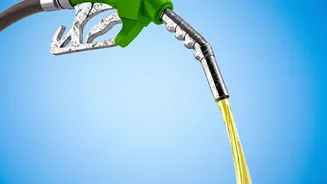
The impact is just as direct, if not more personal, when it comes to your daily travel. The price you pay for petrol or diesel at the pump is determined by a combination of factors. The base price is linked to international crude oil rates. Added to this are central government taxes (like excise duty), state government taxes (VAT), refining costs, and dealer commissions. This is why fuel prices vary from state to state. Because India relies heavily on imports, the exchange rate between the Indian Rupee and the US Dollar also plays a crucial role; a weaker rupee makes imported oil more expensive, adding another layer of cost. So, when you see high fuel prices, it is a direct reflection of global oil markets, filtered through domestic tax policies.
More Than Just Travel Costs
The connection doesn't stop at personal travel. Higher fuel prices have a cascading effect across the entire economy. Diesel is the lifeblood of India's logistics network, powering the trucks that transport everything from fresh produce to consumer goods. When diesel costs more, transportation costs rise, and this extra expense is eventually passed on to consumers in the form of higher prices for everyday items, contributing to overall inflation. Similarly, many industries use petroleum-based derivatives as raw materials, such as in the manufacturing of paints and plastics. A spike in crude oil prices can therefore lead to increased costs for a wide range of products, affecting household budgets far beyond the petrol pump or the airport.