






The Midnight Feast Is Now Mainstream
Not long ago, a meal after midnight was a rare luxury. Today, it’s a booming business. Food delivery platforms report that orders placed between 11 p.m. and 3 a.m. have surged, with late-night delivery volumes doubling over the past year. This isn't just
a fleeting trend sparked by a major sporting event; it's a fundamental lifestyle shift. The traditional 9 p.m. family dinner is fading for many young, urban consumers whose sleep schedules often extend to 2 or 3 a.m. This shift is reshaping how, when, and what India eats, turning the hours after dark into a prime-time slot for the food industry. The trend extends beyond the major metros like Bengaluru, Hyderabad, and Mumbai; tier-2 cities such as Surat, Kochi, Lucknow, and Ahmedabad are also seeing double-digit growth in late-night orders.
Why We Order After Dark
Several factors are fuelling India’s appetite for after-hours dining. The rise of a 24/7 work culture is a primary driver. Professionals in the IT, service, and startup sectors often work late to align with global time zones, making a post-10 p.m. meal an office norm. In fact, data shows that a significant percentage of corporate employees place food orders after 10 p.m. while at the office. Beyond work, entertainment habits have also changed. The culture of binge-watching shows on streaming platforms often leads to late-night snack cravings. Socialising, whether hosting friends or unwinding after a night out, also contributes to the demand. For many, ordering food is no longer just about hunger; it's a reward after a long day or a simple solution to decision fatigue when cooking feels like one task too many.
What's on the Late-Night Menu?
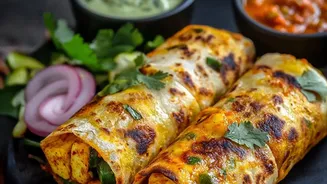
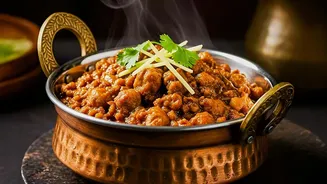
When hunger strikes late at night, Indians overwhelmingly turn to comfort food. Biryani consistently ranks as a top choice, a testament to its enduring appeal. Following closely are fast-food favourites like pizzas and burgers, which are among the most-ordered items after 11 p.m. Other popular snacks include rolls, momos, and desserts like chocolate cake. While these indulgent options dominate, there's also a significant demand for packaged items like ice cream and frozen snacks, facilitated by the rise of quick-commerce platforms that deliver groceries and other essentials around the clock. In cities like Mumbai, classics like pav bhaji and tawa pulao remain late-night staples, while Hyderabad is known for its midnight biryani and haleem.
How the Industry is Adapting
The food delivery industry has been quick to respond to this cultural shift. Major platforms like Swiggy have launched dedicated 'Late Night Eats' programmes, curating menus from restaurants that stay open until the early morning hours and offering faster delivery for corporate hubs. This initiative covers thousands of restaurants across 30 cities, operating between 10 p.m. and 5 a.m. Quick-service restaurant chains such as McDonald's and Domino's have also extended their operating hours, with some outlets now serving customers until 3 a.m. The logistical backbone of this night economy is supported by an expanding network of cloud kitchens, which operate without a physical storefront and can cater specifically to delivery orders. However, challenges remain, including limited rider availability during odd hours and varying local regulations on operating times.