





The Anatomy of an Impulse Buy
To understand why a pause works, you have to understand the impulse that precedes it. Impulse buying isn't a failure of character; it’s a feature of our brain’s reward system. When you see something you desire, your brain releases dopamine, the 'feel-good'
neurotransmitter associated with pleasure and anticipation. This creates a powerful urge, an emotional high that screams, 'Buy this now, and you will feel great!' Marketers are masters at triggering this response with tactics like limited-time offers, 'only 2 left in stock' warnings, and seamless one-click purchasing. These are designed to shorten the time between the dopamine hit and the transaction, ensuring your emotional brain makes the decision before your rational brain can even log on.
Introducing the Power Pause
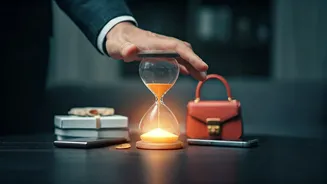
The 'simple pause' is a deliberate cooling-off period you institute between the urge to buy something and the act of purchasing it. It’s a self-imposed waiting period that acts as a circuit breaker for the dopamine-fueled impulse. There’s no magic number, but a 24-hour rule is a popular and effective starting point. The execution is simple: instead of clicking 'Buy Now,' you click 'Add to Cart' and close the tab. Or you add the item to a digital wish list, a note on your phone, or even a physical piece of paper. The goal is to capture the 'want' without immediately gratifying it. By doing so, you give yourself the gift of time—the single most effective tool against impulsive decisions.
What Happens When You Wait
During this pause, a psychological shift occurs. The initial wave of dopamine subsides, and the emotional urgency fades. Without that chemical pressure, your prefrontal cortex—the part of your brain responsible for logical reasoning and long-term planning—gets a chance to weigh in. You can now ask yourself practical questions that were drowned out by the initial excitement: Do I really need this? Where will I put it? Do I have something similar already? Is this item worth the hours I had to work to pay for it? More often than not, the desire evaporates once the emotional fog lifts. You might realize the purchase was driven by boredom, stress, or the allure of the ad rather than a genuine need. The pause separates the fleeting 'want' from the durable 'need.'
How to Make the Pause a Habit
Like any new habit, incorporating the pause takes practice. Start small. For online shopping, make it a strict rule to never buy anything on the first visit to a product page. Always leave it in the cart for at least a day. For in-person shopping, if you see something you want, take a picture of it and leave the store. Set a reminder on your phone for the next day to reconsider it. Another powerful technique is to create a '30-Day List.' Anything you want to buy that isn’t an immediate necessity goes on this list with the current date. If you still genuinely want it 30 days later, you can consider buying it. You’ll be surprised how few items survive the 30-day trial period. This process transforms shopping from a reactive habit into a proactive, intentional choice.