





A New Space Race, Led by Startups
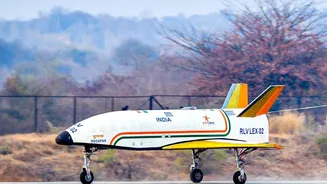
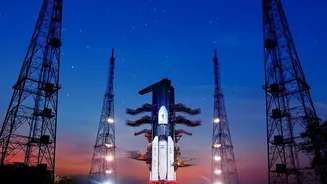
India's space programme is no longer just the domain of the Indian Space Research Organisation (ISRO). A major policy shift, formalised by the Indian Space Policy 2023, has thrown the doors wide open for private companies. The goal is to transform India into
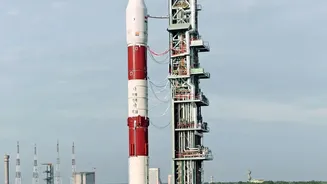
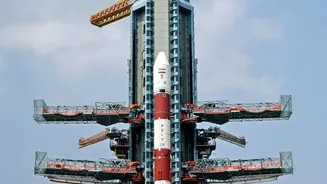
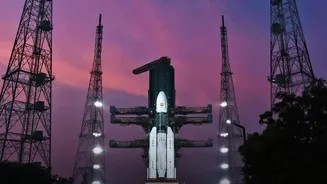
a global space hub by encouraging innovation and private investment. This has led to an explosion of over 400 space startups by 2026, up from just one in 2014. These companies are building everything from rockets and satellites to the software that controls them. This shift doesn't diminish ISRO's role; instead, it allows the agency to focus on advanced research and deep space exploration, while private players handle more routine manufacturing and commercial launches.
Meet the New Players
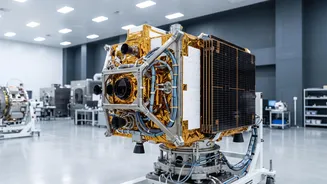
A new generation of ambitious companies is leading this charge. Hyderabad-based Skyroot Aerospace became the first Indian private company to launch a rocket. Chennai's Agnikul Cosmos is known for creating the world's first single-piece 3D-printed rocket engine. Then there's Pixxel, a Bengaluru startup building a constellation of hyperspectral imaging satellites to monitor Earth's health. Other key names include Dhruva Space, which offers full-stack satellite solutions, and Bellatrix Aerospace, which specialises in greener satellite propulsion systems. These firms, and hundreds more, are the new face of India’s space ambitions, attracting significant investment and creating a vibrant job market.
What is IN-SPACe and Why Does It Matter?
The engine driving this transformation is the Indian National Space Promotion and Authorisation Centre (IN-SPACe). Established in 2020, it acts as a single-window agency to promote, authorise, and supervise all space activities by non-governmental entities (NGEs). Think of it as a facilitator, helping private companies access ISRO's facilities, expertise, and technologies. By creating a stable and predictable regulatory environment, IN-SPACe is making it easier for startups to innovate and for foreign investment to enter the sector. This agency is crucial for turning policy into practice, ensuring the private sector has the support it needs to grow.
The Jobs Beyond Rocket Science
When you think of a space career, you might picture an astronaut or a rocket scientist. But the modern space economy is creating demand for a much wider range of roles. Of course, core engineering jobs are booming—aerospace, mechanical, and propulsion engineers are in high demand. But the biggest growth is also in tech-adjacent and business roles. Companies need satellite data analysts to interpret information for agriculture and climate monitoring, software developers with skills in Python and C++ for mission control systems, and cybersecurity experts to protect space assets. Furthermore, as the sector matures, it requires space law experts, policy analysts, project managers, and marketing professionals, making it accessible to graduates from many different fields.
How to Prepare for a Career in Space
For young job seekers, the message is clear: the space industry is hiring, and you don't need to be a top-ranked ISRO scientist to get in. A bachelor's degree in engineering (aerospace, mechanical, electronics, or computer science) is a common entry point. But skills are what truly matter. Focus on building expertise in areas like robotics, AI and machine learning, data analysis, and embedded systems. Proficiency in programming languages like Python and C++, and software like CAD and MATLAB, will make your CV stand out. Beyond technical skills, the industry values problem-solving, collaboration, and the ability to work in multidisciplinary teams. This is a sector where continuous learning is key, as the technology is always evolving.