




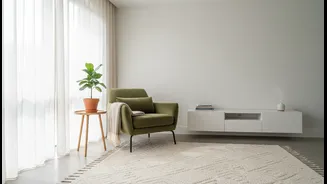


Let Your Fabrics Breathe
The first and most impactful change is to rethink your textiles. Heavy fabrics like velvet, wool, and thick cotton absorb and trap moisture, contributing to a stuffy atmosphere and musty smells. During the rains, swap these out for lighter, more breathable
options. Sheer or lace curtains will maximise natural light on gloomy days, making the room feel more spacious and airy. For cushion covers, bedspreads, and throws, choose quick-drying materials like light cotton, linen, or synthetic blends like microfiber. These fabrics don't hold onto dampness and help maintain a feeling of freshness. Even your rugs matter; consider rolling up heavy carpets and replacing them with smaller, washable cotton dhurries or jute mats.
Choose Furniture That Creates Space
In a compact home, bulky furniture can feel overwhelming, especially during the monsoon. Opt for pieces that create a sense of openness. Furniture with visible legs—like sofas, tables, and cabinets raised off the floor—allows light and air to circulate underneath, making the room feel larger. Materials are also key to a humidity-proof home. Untreated wood can swell and warp in damp conditions. Instead, look for furniture made from treated hardwoods, metal, rattan, or cane, which handle moisture much better. It’s also wise to pull furniture a few inches away from the walls. This simple move prevents moisture from getting trapped and allows for better air circulation, which is crucial for preventing mould and dampness.
Maximise Light and Airflow
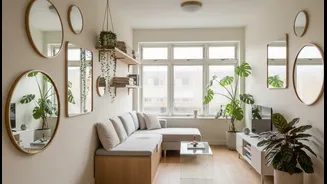
With grey skies as the backdrop, amplifying light is essential. Keep your windows clean and unobstructed. Place a large mirror on a wall opposite a window to reflect light back into the room, instantly making the space feel brighter and more expansive. Glossy and metallic surfaces on decor items or even side tables can also help bounce light around. Good ventilation is your best defense against a stuffy home. Whenever it’s not raining, open windows on opposite sides of the flat to create a cross-breeze. In kitchens and bathrooms, always use the exhaust fan to pull humid air out.
Layer Your Lighting Strategically
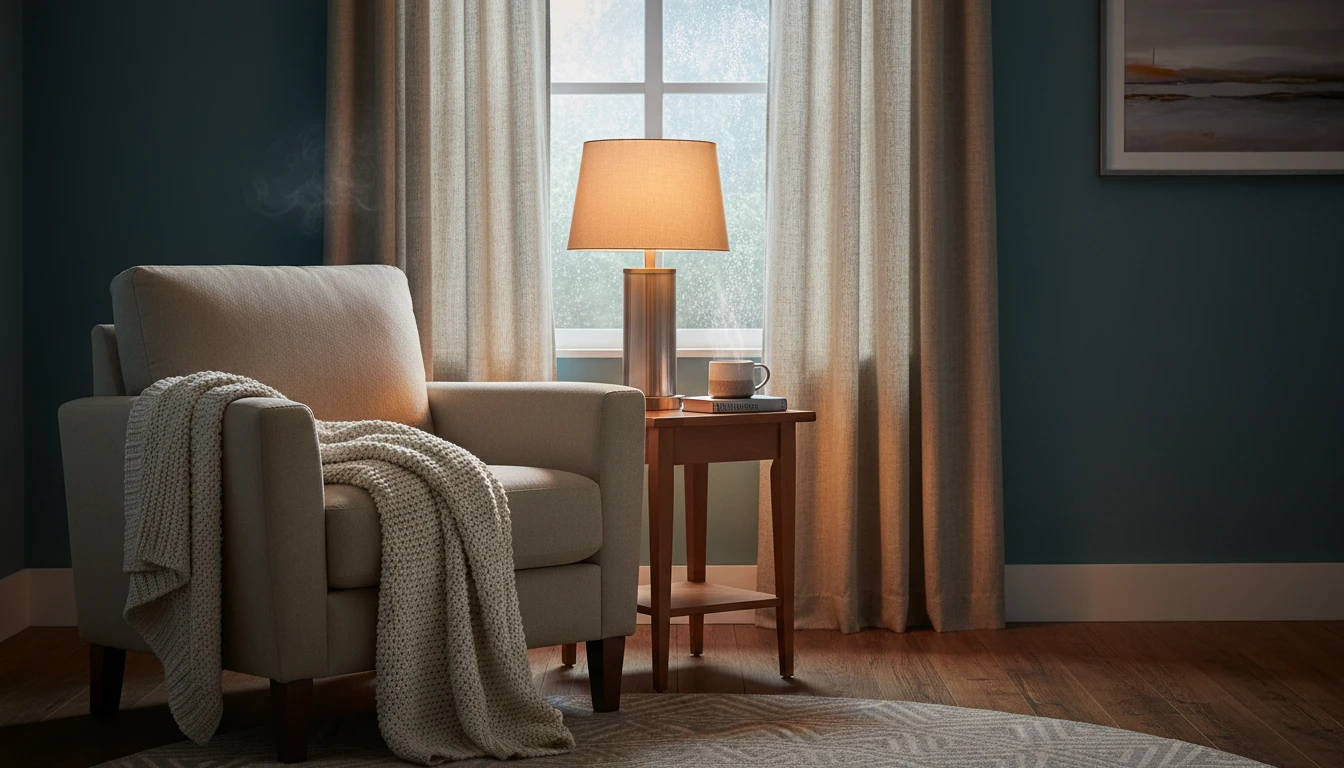
Relying on a single overhead ceiling light can create harsh shadows and make a room feel smaller. The solution is layered lighting. Use a combination of ambient, task, and accent lights to create a warm and inviting atmosphere that counteracts the outdoor gloom. Place floor lamps or table lamps in dark corners to add depth. Consider using warm white bulbs (between 2700K and 3000K) to give your home a cosy, welcoming glow rather than a stark, cool light. This strategy eliminates dark zones and makes the entire flat feel more balanced and usable.
Declutter and Go Green
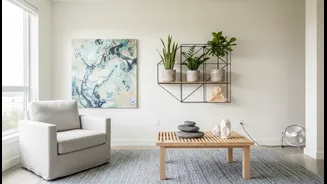
Clutter is the enemy of a spacious-feeling home, and this is doubly true during the monsoon when you're spending more time indoors. A tidy, organised space automatically feels larger and more calming. Take this opportunity to declutter surfaces and store away non-essential items. Introducing indoor plants can also make a big difference. Not only do they add a touch of vibrant nature, but certain plants like peace lilies and spider plants can help absorb excess moisture from the air. They bring life and freshness indoors, making your home a more pleasant sanctuary from the rain.
Engage the Senses to Banish Mustiness
One of the biggest challenges of the rainy season is the persistent musty odour that comes with dampness. Fight back by engaging your sense of smell. Scented candles, essential oil diffusers, and reed diffusers can fill your home with pleasant aromas like lemongrass, sandalwood, or lavender. For a natural and traditional approach, consider placing bowls of rock salt, baking soda, or dried coffee grounds in damp corners or closets; these are excellent at absorbing both moisture and odours. A home that smells fresh and clean will always feel more inviting.