


A Shift Away from the Beaten Path
For decades, tourism in India often followed a well-trodden script, typically revolving around major metropolitan gateways and historical circuits. While these destinations remain popular, a significant new trend is reshaping the country's hospitality
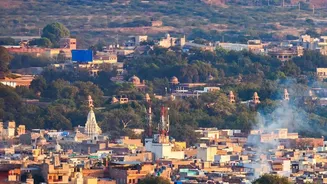
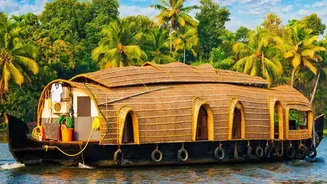
landscape. An increasing number of both domestic and international travellers are venturing beyond the obvious, drawn to the unique charm and cultural richness of Tier-2 and Tier-3 cities, as well as rural villages. This pivot is driven by a growing fatigue with over-tourism in major hubs and a desire for more immersive, authentic connections with local culture, food, and people. Reports show a significant uptick in travel bookings for non-metro regions, with some data indicating that these areas are seeing faster growth in bookings than their Tier-1 counterparts. This shift is not just changing itineraries; it is fundamentally altering where tourism revenue flows in the country.
The Drivers of a New Travel Era
Several factors are fuelling this migration toward smaller markets. Post-pandemic, travellers have shown a greater preference for less crowded environments and meaningful getaways. The rise of social media has also played a crucial role, turning once-hidden gems into sought-after 'Instagrammable' spots, though this can also create challenges for local infrastructure. Perhaps most importantly, India's connectivity revolution has been a game-changer. The expansion of highways, the government's UDAN scheme for regional air connectivity, and improved rail networks have made once-remote areas far more accessible. This physical connectivity, combined with digital infrastructure like widespread internet access and online payment systems, empowers travellers to discover and book stays in places that were previously off the grid, and enables local entrepreneurs to market their offerings to a global audience.
Economic Empowerment for Local Communities
The most significant impact of this trend is the direct economic benefit to local communities. The rise of homestays, in particular, has become a powerful engine for grassroots entrepreneurship. By opening their homes, local families can generate a reliable source of income with minimal initial investment, turning existing rooms into assets. This revenue often stays entirely within the local economy, supporting a network of other small businesses, from food producers and artisans to local guides and transport providers. Studies on homestay tourism highlight its positive effect on generating local employment, improving the standard of living, and empowering residents, particularly women, to become financially independent. This model fosters inclusive growth, ensuring the financial benefits of tourism are distributed more widely rather than being concentrated in large hotel chains in major cities.
Government Support and Strategic Vision
Recognising this potential, both central and state governments have launched initiatives to bolster rural and smaller-market tourism. Schemes like Swadesh Darshan and the National Mission on Pilgrimage Rejuvenation and Spiritual Heritage Augmentation Drive (PRASHAD) are channelling funds into developing infrastructure at thematic circuits, including rural and tribal areas. There is a clear strategy to position tourism as a pillar of a self-reliant economy ('Aatmanirbhar Bharat') by creating livelihoods that can reduce urban migration. Specific programmes are in place to support the development of thousands of homestays, including in tribal villages, with financial aid for construction and renovation, alongside skills training for operators. This coordinated push aims to turn tourism into a tool for sustainable regional development.
Navigating the Challenges of Growth
While the economic upside is clear, this shift is not without its challenges. The very appeal of these smaller destinations—their pristine nature and authentic culture—is fragile. A sudden influx of visitors can strain limited resources like water and waste management systems, and lead to the same problems of over-tourism that plague larger destinations, such as congestion and cultural commodification. Reports have already highlighted such pressures in places like Shimla and parts of Goa. Therefore, the key to long-term success lies in sustainable and responsible development. Tourism officials have stressed the need to look beyond mere visitor numbers and focus on building new experiences and improving destination management to ensure that growth does not come at the cost of the environment or local heritage.