





What is the 'No PUC, No Fuel' Rule?
As part of its comprehensive Winter Action Plan to combat seasonal air pollution, the Delhi government, in coordination with the Commission for Air Quality Management (CAQM), has mandated stricter enforcement of the “No PUC, No Fuel” rule from October
1, 2026. While this rule has been in place in a limited capacity in Delhi, its enforcement is now being intensified and expanded across the entire NCR. This includes not just Delhi but also key districts in Uttar Pradesh like Gautam Buddh Nagar (Noida) and Ghaziabad, as well as districts in Haryana and Rajasthan. The policy dictates that fuel stations will refuse to serve any vehicle that does not have a valid Pollution Under Control (PUC) certificate.
How Will Petrol Pumps Enforce It?
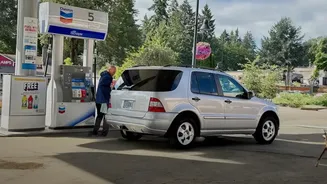
The enforcement relies heavily on technology to ensure compliance without causing major disruptions. Around 500 fuel stations in Delhi, and over 1,000 across the wider NCR, are being equipped with Automatic Number Plate Recognition (ANPR) cameras. When a vehicle enters the fuel station, these cameras will read its registration number and instantly check it against the central VAHAN database for a valid PUC certificate. If the system flags the vehicle as non-compliant, the pump will be automatically barred from dispensing fuel. At pumps where ANPR systems are not yet active, staff have been trained to use mobile apps to manually verify the PUC status. This means simply carrying a paper certificate may not suffice if the database hasn't been updated.
Why is This Being Implemented Now?
This initiative is a proactive measure to tackle the severe air pollution that plagues Delhi-NCR every winter. Vehicular emissions are a major contributor to the region's poor air quality. By making a valid PUC certificate a prerequisite for refueling, authorities aim to ensure that a larger number of vehicles on the road adhere to emission standards. The rule is part of a broader strategy that includes restrictions on construction activities and the entry of older, more polluting vehicles into the capital. The goal is to move from a reactive approach, which only responds to high pollution levels, to a preventive one that keeps polluting vehicles off the road in the first place.
How To Get or Renew Your PUC Certificate
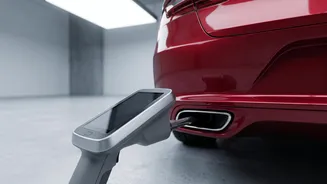
Getting a PUC test is a straightforward and affordable process. You can take your vehicle to any authorized emission testing centre, many of which are located at petrol pumps. A technician will insert a probe into your vehicle's exhaust pipe to measure its emission levels. If the emissions are within the prescribed limits, a certificate is issued instantly. For BS-IV and newer vehicles, the certificate is valid for one year. The process can also be initiated via the Parivahan portal, which helps you locate nearby testing centers. While the test is offline, you can download a digital copy of your certificate from the Parivahan or mParivahan platforms once it's issued.
Penalties for Non-Compliance
Being denied fuel is not the only consequence of an expired PUC certificate. Under Section 190(2) of the Motor Vehicles Act, driving without a valid PUC can attract a fine of up to ₹10,000, imprisonment for up to six months, or both. Repeat offenses can also lead to the suspension of your driving license for up to three months. The “No PUC, No Fuel” rule serves as an additional layer of enforcement, making it practically difficult to operate a non-compliant vehicle. It's also important to note that an invalid PUC can sometimes complicate insurance claims in the event of an accident.