






Know the Crucial 60-Day Booking Window
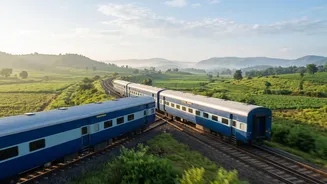
The most important rule for train travel in India is the Advance Reservation Period (ARP). Indian Railways has revised its policy, and passengers can now book tickets up to 60 days in advance, excluding the day of the journey. For Diwali 2026, which is on November
8, the booking window for the most high-demand travel dates (November 5, 6, and 7) opened on September 6, 7, and 8 respectively. Given that today is September 8, many popular routes are already heavily booked or waitlisted. The busiest routes during this period typically include those connecting major hubs like Delhi, Mumbai, and Bengaluru to cities in Uttar Pradesh and Bihar, such as Patna and Gorakhpur. If you haven't booked yet, your window of opportunity for a regular ticket is closing fast.
Your Next Best Bet: The Tatkal Quota
If you've missed the general booking window, the Tatkal quota is your next option. This scheme releases a limited number of seats for booking one day before the train's departure date. The booking window opens at 10 AM for all AC classes (including Chair Car) and at 11 AM for non-AC classes like Sleeper. Success in booking a Tatkal ticket comes down to speed. To maximize your chances, create a 'Master List' of passengers on your IRCTC profile beforehand. This allows you to auto-fill details instead of typing them manually. Ensure you have a stable, high-speed internet connection and use a fast payment method like UPI or the IRCTC eWallet. Log in at least five minutes before the booking window opens and have all your journey details ready to go.
Keep an Eye on Festival Special Trains
To manage the immense festive rush, Indian Railways announces numerous 'Festival Special' trains on high-demand routes. These services provide much-needed additional capacity. For Diwali 2026, Northern Railway and other zones have already announced special services connecting cities like Delhi, Chandigarh, Ayodhya, and Varanasi with destinations in Bihar and Uttar Pradesh, running through October and November. These announcements are often made progressively closer to the festival dates. Travellers should regularly check the official IRCTC website, the National Train Enquiry System (NTES) app, and major news outlets for updates on new special trains being added to the schedule.
Understanding the VIKALP Scheme
When booking a waitlisted ticket, always opt for the VIKALP scheme, also known as the Alternate Train Accommodation Scheme (ATAS). This free, optional feature increases your chances of getting a confirmed seat. If your ticket remains waitlisted after the chart is prepared, the VIKALP scheme automatically considers you for a confirmed berth in other trains heading on the same route, departing between 30 minutes to 72 hours from your original train's time. This does not guarantee a confirmed seat, but it significantly improves your odds by broadening the pool of available berths at no extra cost.
When Trains Are Full: Considering Alternatives
If securing a train ticket proves impossible, it's time to look at other travel modes. While flights are an option, fares surge dramatically closer to Diwali. Booking flights well in advance is the only way to secure a reasonable price. Inter-state and private bus services also increase their frequency during the festive season. You can book these online through various aggregators. Another increasingly popular option is carpooling through apps like BlaBlaCar, where individuals offer seats in their private vehicles. This can be a cost-effective and convenient way to travel, especially when trains and buses are fully booked.