





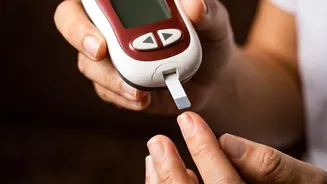


High blood sugar, or hyperglycemia, is a growing health concern. But identifying it isn't always straightforward. The warning signs can be subtle, easily dismissed, or in many cases, completely absent, making awareness key to prevention.
What Is High Blood Sugar?
Hyperglycemia
occurs when there is too much glucose (sugar) in your bloodstream. This happens when your body either doesn't produce enough insulin—the hormone that helps cells absorb glucose for energy—or can't use the insulin it produces effectively. While it's most commonly associated with diabetes, temporary spikes in blood sugar can also be caused by illness, stress, certain medications like steroids, or even surgery. A single high reading isn't always a cause for alarm, but chronically elevated levels can lead to serious health complications over time.
The 'Classic' Warning Signs
When symptoms of high blood sugar do appear, they often include a classic trio: increased thirst (polydipsia), frequent urination (polyuria), and increased hunger (polyphagia). You might find yourself constantly reaching for water, making more trips to the bathroom, especially at night, or feeling hungry even after eating. This happens because as excess glucose builds up in the blood, your kidneys work overtime to filter it out, pulling fluids from your tissues and making you dehydrated and thirsty. Other common early signs include unexplained fatigue, blurred vision, and headaches.
Why Symptoms Can Be So Different
One of the most confusing aspects of hyperglycemia is how much the symptoms can vary. One person might experience intense thirst, while another just feels unusually tired. Symptoms typically don't even begin until glucose levels are significantly high, often above 180 to 200 mg/dL. The severity and type of symptoms can depend on how high the sugar levels are, how long they've been elevated, and your own individual body chemistry. For many people with Type 2 diabetes, symptoms develop so slowly over several years that they are hard to recognize or are dismissed as just a normal part of ageing.
The Danger of 'Silent' Hyperglycemia
Perhaps the most critical point is that high blood sugar can be completely asymptomatic, meaning it produces no noticeable symptoms at all. Many people, particularly those in the early stages of Type 2 diabetes, feel perfectly fine even as their blood sugar levels are quietly rising. This is dangerous because even without symptoms, long-term exposure to high glucose is damaging blood vessels and organs. By the time symptoms finally appear, significant damage to the eyes, kidneys, nerves, or heart may have already begun. This silent progression is why assuming 'I feel fine, so I must be fine' is a major misconception.
Subtle Clues You Shouldn't Ignore
Beyond the classic signs, there are more subtle clues that could point to high blood sugar. These include cuts or sores that are slow to heal, frequent skin or urinary tract infections, and itchy skin. Some people might experience unexplained weight loss despite an increased appetite, while others notice tingling or numbness in their hands and feet, which is a sign of nerve damage. Because these symptoms can be vague or attributed to other causes, they are often overlooked. Paying attention to these persistent, subtle changes is important.
When to See a Doctor
You should not try to diagnose yourself based on symptoms alone. If you are experiencing any of the persistent signs mentioned—especially if you have risk factors for diabetes like a family history, being overweight, or being inactive—it's crucial to consult a doctor. A simple blood test, like a fasting glucose test or an A1C test, is the only way to know for sure what your blood sugar levels are. Regular checkups are essential for everyone, as they can catch asymptomatic hyperglycemia early. Early detection and management can prevent or significantly delay the onset of serious, longterm health problems like heart disease, stroke, and kidney failure.