





The Promise in the Can
For decades, synthetic air fresheners and home sprays have offered a simple promise: a fast, powerful way to mask unpleasant odours. Whether it’s the lingering smell of last night’s tadka or the dampness of monsoon season, a few sprays can instantly transform
a room’s atmosphere. This convenience is undeniable. The scents are engineered to be strong, long-lasting, and available in an endless variety, from 'Ocean Breeze' to 'Fresh Linen'. This ease of use and accessibility made them a staple in households across the country. The problem isn't the promise, but what’s used to deliver it.
Decoding the Chemical Cloud
When you use a synthetic spray, you're releasing more than just a pleasant fragrance. Many aerosol air fresheners contain a cocktail of chemicals, including volatile organic compounds (VOCs). Substances like formaldehyde, petroleum distillates, and benzene can be released into your home, contributing to indoor air pollution. Another common ingredient group is phthalates, which are used to help scents last longer. While a single spray is unlikely to cause harm, regular, long-term exposure to these chemicals in enclosed spaces is a growing concern for health-conscious consumers. The move away from these products isn't just about smell; it's about what we are choosing to breathe.
The Return to Ritual and Resin
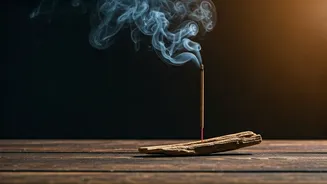
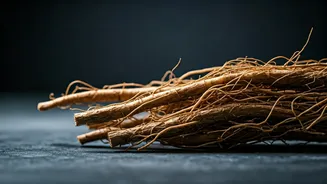
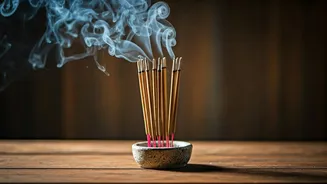
In contrast, the turn towards traditional incense, or agarbatti, represents a shift from masking odours to creating an experience. Burning incense is a deliberate act. It’s a ritual that has been part of Indian culture for centuries, used for prayer, meditation, or simply to cleanse a space and calm the mind. High-quality, locally made incense sticks are crafted from natural materials: bamboo sticks are coated in a paste of wood powders, charcoal, aromatic resins like frankincense and myrrh, and then scented with pure essential oils derived from flowers, herbs, and spices. The resulting aroma is more complex, subtle, and layered than its synthetic counterpart. It doesn't just cover up other smells; it adds a new, grounding dimension to the environment.
Why 'Slow Burn' Matters
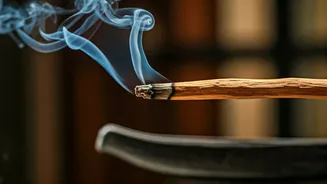
The term 'slow burn' is key to this modern revival. Unlike cheap, mass-produced sticks that burn quickly with a lot of harsh smoke, artisanal incense is designed to smoulder gently. This is often achieved through 'masala' or 'flora' methods, where the ingredients are mixed into a dry paste rather than dipping a blank stick in chemicals. A slow-burning stick releases its fragrance gradually, allowing the scent to build and linger naturally without overwhelming the senses. It also tends to produce less smoke, and the smoke it does create is from natural materials, not synthetic accelerants. This makes for a cleaner, more pleasant, and longer-lasting aromatic experience. For safety and air quality, it's always best to burn any incense in a well-ventilated room.
Supporting Local, Breathing Natural
This trend is also deeply connected to the growing 'vocal for local' movement. Consumers are increasingly seeking out products with transparent origins, and home fragrance is no exception. Choosing a pack of hand-rolled incense from a local artisan or a small-batch brand means supporting traditional craftsmanship and small businesses. These makers often take immense pride in their recipes, sourcing local ingredients and using age-old techniques passed down through generations. In buying their products, consumers are not just getting a beautiful scent; they are becoming patrons of a cultural legacy, rejecting the anonymity of a factory-produced can in favour of a product with a story and a soul.