




The Great Leap in Connectivity
The year 2026 is proving to be an inflection point for Indian aviation. A combination of factors has created a perfect storm for international expansion. Indian carriers, especially Air India and IndiGo, are receiving deliveries of new-generation, long-range
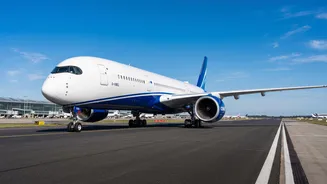
aircraft. Air India is deploying its new Airbus A350s and retrofitted Boeing 777s, while IndiGo is leveraging the Airbus A321XLR to pioneer routes previously unthought of for a low-cost carrier. This fleet modernisation, coupled with expanded bilateral air service agreements with various countries, gives airlines the tools and the permissions needed to launch ambitious new routes. The goal is clear: to transform Indian airports into global hubs, directly competing with the established transit points in the Middle East and Southeast Asia.
New Gateways to Europe
Europe is becoming more accessible than ever, with several new direct connections launched in 2026. Swiss International Air Lines began a non-stop service between Bengaluru and Zurich, a huge boon for travellers from South India who previously had to connect through the Gulf or other European hubs. Similarly, SAS Scandinavian Airlines re-entered the Indian market with a direct flight between Mumbai and Copenhagen. IndiGo has also made a significant push into the continent, using its new A321XLR aircraft to launch direct flights to Athens from both Mumbai and Delhi. Air India has also resumed its key Delhi-Rome service, adding another non-stop link to a major European capital. These flights drastically reduce travel time and make weekend trips or shorter holidays to Europe a more viable option.
Bridging the Distance to North America
For travellers heading to the United States and Canada, 2026 brought welcome news. Air India recently resumed fully non-stop services on all four of its routes from Delhi and Mumbai to New York (JFK) and Newark (EWR). Due to airspace restrictions, these flights previously required a technical stop in Rome for refuelling, extending the journey to around 22 hours. By reverting to a more direct flight path, the travel time has been cut by approximately five hours, bringing it down to a much more manageable 17 hours. Further strengthening connections, Air India also launched a new non-stop route from Mumbai to Toronto, operating three times a week during the winter season to cater to students, families, and holiday travellers. These developments significantly reduce travel fatigue and improve convenience on some of the world's longest routes.
Expanding Horizons in Asia
Connectivity within Asia has also seen a major boost. Air India launched a new route from Mumbai to Tokyo's convenient Haneda airport in June 2026, saving travellers time on ground transfers compared to arriving at Narita. The airline also added a five-times-weekly service from Delhi to Hanoi, opening up Vietnam for easier exploration. Meanwhile, IndiGo has been aggressive in its expansion, launching a landmark direct flight from Kolkata to Shanghai in March. This route not only connects eastern India to China's financial hub but also provides easier connections for passengers from other cities like Bhubaneswar and Hyderabad. For travellers in Northeast India, a game-changing development came in August, with Air India Express connecting Guwahati directly with both Dubai and Abu Dhabi for the first time.
What This Means for the Indian Traveller
The impact of this direct flight boom extends beyond just saving a few hours. For business travellers, it means arriving fresher and more productive. For families and elderly passengers, it eliminates the stress and physical toll of navigating a middle-of-the-night connection. More competition on these routes could also lead to more competitive fares over time. According to the Ministry of Tourism, outbound departures from India have been steadily rising, with over 32 million recorded in 2025. This growing demand is finally being met with a network that prioritises convenience. The expansion of direct flights from not just Delhi and Mumbai, but also from cities like Bengaluru, Kolkata, and Guwahati, signals a new era where more Indians can access the world without the mandatory stopover.