



The Commitment to Water
Forget the casual watering schedule of your indoor snake plant. Fruit plants in balcony containers are a different story entirely. Their soil dries out much faster than in a garden, exposed to sun and wind from all sides. In the peak of an Indian summer,
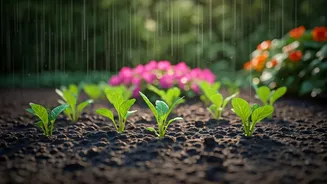
this can mean watering every single day. The key is consistency. Check the soil by sticking your finger an inch or two deep; if it feels dry, it's time to water thoroughly until it drains from the bottom. But beware of the opposite problem: overwatering, especially during the monsoon, can lead to root rot. Proper drainage is non-negotiable. Ensure your pots have holes and aren't sitting in stagnant water.
The Commitment to Feed
A plant in a pot has access only to the nutrients you provide. Unlike in a garden, its roots can't spread out in search of more food. This makes you the sole provider. Container fruit plants are heavy feeders and will quickly exhaust the nutrients in their potting mix. Regular feeding, perhaps every few weeks during the growing season, is essential for healthy growth and fruit production. Using a balanced liquid fertiliser, like compost tea or one formulated for fruiting plants, is a great way to deliver these nutrients. Some experts recommend a feed lower in nitrogen to encourage flowers and fruit rather than just lush green leaves. This ongoing feeding schedule is a core part of the commitment.
The Commitment to Pollinate
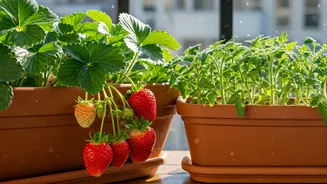
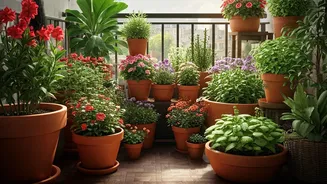
On a high-rise balcony, you might not have a steady stream of bees and butterflies to do the work of pollination. Without pollination, flowers will bloom and then simply fall off without producing any fruit. For many urban gardeners, this means taking on the role of the bee. For plants like tomatoes or peppers, a gentle shake of the branches can help distribute pollen. For others, you may need to hand-pollinate. This involves using a small, soft brush or a cotton swab to transfer pollen from a male flower to a female flower. It’s a delicate, mindful task that can dramatically increase your yield, turning a fruitless plant into a productive one. Alternatively, you can plant pollinator-friendly flowers like lavender nearby to attract more natural help.
The Commitment to Plan and Prune
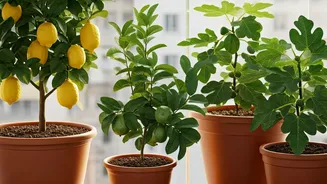
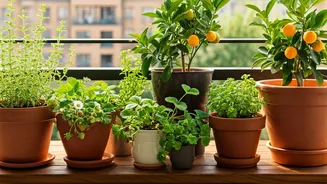
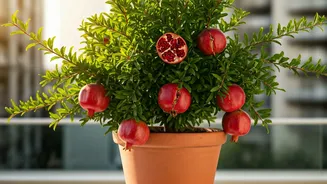
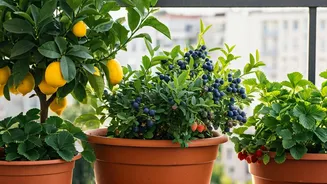
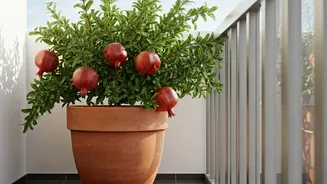
Success begins before you even buy a plant. It starts with a plan. Consider your balcony's conditions: how many hours of direct sunlight does it get? Most fruit plants need at least six hours to thrive. Is it windy? A windbreak might be necessary. Most importantly, choose the right plant. Don't try to grow a full-sized mango tree. Instead, opt for dwarf or container-specific varieties. For Indian climates, dwarf mangoes like 'Amrapali', guavas, figs, and citrus plants like Kagzi lemons are excellent choices that are known to do well in pots. Once the plant is established, regular pruning is necessary to maintain a manageable size, encourage airflow, and direct the plant's energy into producing fruit.