




From Revenge Travel to a Regular Ritual
Remember 'revenge travel'? That initial, frantic rush to escape our homes after two years of lockdowns felt like a dam bursting. It was seen as a temporary release of pent-up demand. But what started as a reaction has now evolved into a consistent, powerful
rhythm. Air passenger numbers in India have not only recovered but have consistently surpassed pre-pandemic levels. In the fiscal year 2023-24, domestic air passenger traffic surged past 154 million, a significant jump from pre-COVID figures. This isn't a fleeting trend; it's a fundamental behavioural shift. Travel has moved from a once-a-year luxury to a non-negotiable part of the urban Indian family's budget and lifestyle, a ritual as regular as a festive celebration.
The New, Crowded Holiday Calendar
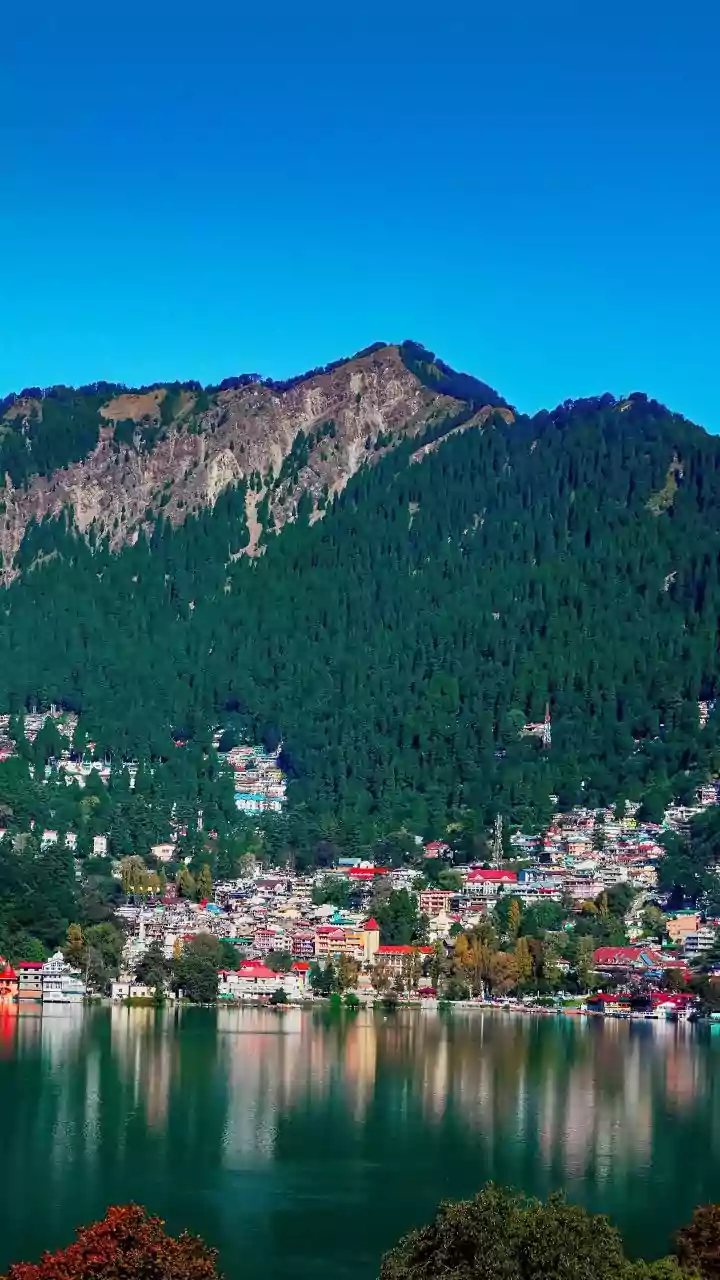
The old travel calendar—a summer break in May and a Diwali trip—is a thing of the past. The new Indian traveller is opportunistic, turning every long weekend into a potential getaway. This has created multiple mini-peak seasons throughout the year, putting constant pressure on airlines, hotels, and destinations. The demand is also diversifying. Spiritual tourism is booming, with destinations like Ayodhya, Varanasi, and Ujjain witnessing unprecedented footfalls, driven by improved infrastructure and a renewed cultural focus. Simultaneously, the rise of 'workations' and 'bleisure' (business + leisure) trips means professionals are extending work trips or relocating temporarily, further blurring the lines between on and off-seasons. This constant churn is the 'drizzle' that keeps the travel economy humming between the 'downpours' of major holidays.
An Engine for the Economy
Like the monsoon nourishing agriculture, this travel boom is feeding a vast economic ecosystem. The World Travel & Tourism Council (WTTC) projects that the sector's contribution to India's GDP could reach ₹16.5 trillion in the coming years. But the real story is on the ground. It's the homestay owner in a remote village in Uttarakhand, the taxi driver in Goa, the restaurant manager in Jaipur, and the tour guide in Hampi whose livelihoods are now directly tied to this relentless flow of tourists. This demand creates a virtuous cycle: increased tourism justifies investment in better roads, airports, and digital connectivity, which in turn makes destinations more accessible and attractive, fuelling even more travel. It's a powerful engine for job creation, especially in regions with limited industrial opportunities.
Reading the Digital Clouds
This entire phenomenon is supercharged by technology. The process of discovering, planning, and booking a trip has never been more seamless. Social media platforms like Instagram are the new travel brochures, creating instant demand for 'Insta-worthy' locations. Online travel agencies (OTAs) and fintech platforms have made payments and financing travel incredibly easy, with 'book now, pay later' options lowering the barrier to entry. Airlines and hotels use sophisticated dynamic pricing algorithms, adjusting fares and rates in real-time based on demand signals. This digital ecosystem acts like weather prediction technology, allowing both consumers and businesses to 'read the clouds,' anticipate surges, and plan accordingly. It has democratised travel planning, putting immense power in the hands of the consumer.
The Infrastructure Stress Test
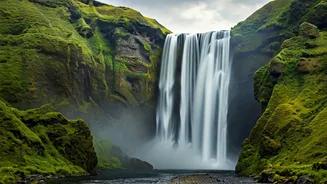
However, a powerful monsoon can also bring floods. This unprecedented travel demand is placing immense strain on India's infrastructure. Popular hill stations are choked with traffic, airports in major metros are bursting at the seams, and fragile ecosystems are under threat from over-tourism. Videos of bumper-to-bumper traffic jams in Manali or overflowing crowds at popular waterfalls are now a common sight. The challenge is no longer about generating demand, but about managing it sustainably. This requires long-term planning: developing new destinations to distribute the load, implementing smarter crowd-management systems, and promoting responsible tourism that respects local communities and the environment. Without these measures, the 'good monsoon' of travel could lead to a 'flood' of problems.