




The Pacific Anomaly That Shapes Our Weather
El Niño, Spanish for 'the little boy', refers to the unusual warming of surface waters in the eastern tropical Pacific Ocean. While it happens thousands of kilometres away, its ripple effects are global. For India, the connection is critical: a strong
El Niño event is historically associated with a weaker, more erratic southwest monsoon. The phenomenon disrupts the atmospheric pressure and wind patterns that are essential for drawing moisture-laden clouds from the ocean to the Indian subcontinent. Current forecasts for 2026 indicate a developing El Niño, raising concerns about its potential to suppress rainfall and trigger extreme weather across the country. This isn't just a weather report; it’s a warning for an economy and society deeply intertwined with the monsoon's rhythm.
A Paradox of Extremes: Drought and Deluge
The common misconception about El Niño is that it simply means less rain. The reality for urban India is far more complex and dangerous. While El Niño can lead to prolonged dry spells and an overall deficit in seasonal rainfall, it also paradoxically increases the likelihood of short, intense, and destructive downpours. Scientists note that while total rainfall may decrease, the frequency of extreme rainfall days can actually rise, especially in central India and along the southwestern coast. Our cities, with their vast expanses of concrete and asphalt, are ill-equipped to handle this duality. This sets up a dual threat: a season-long drought that depletes water reserves, punctuated by sudden deluges that an overwhelmed drainage system cannot handle.
When the Taps Run Dry
For millions of urban dwellers, the most immediate impact of a failed monsoon is on water supply. Major metropolitan areas like Bengaluru, Delhi, Chennai, and Hyderabad are heavily dependent on reservoirs and groundwater, both of which are replenished by monsoon rains. A weak monsoon, amplified by El Niño, can lead to a rapid depletion of these critical resources, forcing municipal bodies to impose strict water rationing. The strain is immense, as rapid and often unplanned urbanisation has already stressed water systems by paving over natural recharge zones. This turns a climate issue into a daily struggle for households and a major operational challenge for industries, hospitals, and essential services.
From Water Scarcity to Urban Flooding
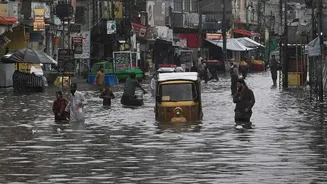
The other side of the coin is the growing menace of urban floods. When the rain does arrive, it often comes in short, furious bursts that are too intense for decades-old drainage systems to manage. Streets in cities like Mumbai and Delhi quickly turn into rivers, paralysing transport, causing massive economic disruption, and posing a direct threat to life and property. This problem is a direct consequence of urban planning that has failed to keep pace with climate reality. The loss of wetlands, lakes, and green spaces—which act as natural sponges—means that rainwater has nowhere to go. Consequently, even in a year with below-average total rainfall, cities can suffer from devastating floods.
The Wider Economic and Social Costs
The impacts of an erratic, El Niño-influenced monsoon extend beyond water and floods. Delayed or weak rains can exacerbate pre-monsoon heatwaves, creating public health crises and straining energy grids as demand for air conditioning soars. Economically, the disruptions are widespread. Supply chains are broken, construction projects are delayed, and business operations from retail to logistics take a significant hit. This affects everything from e-commerce deliveries to daily office productivity. While agriculture remains the most directly affected sector, the cascading effects of a poor monsoon ripple through the entire urban economy, influencing food inflation and consumer spending.