




The Scientific Groundwork
Before any tiger sets a paw in a new forest, a rigorous feasibility study is conducted. Guided by protocols from bodies like the National Tiger Conservation Authority (NTCA), scientists evaluate whether the habitat can truly support tigers. This involves
assessing the forest's size, quality, and connectivity to other wildlife corridors. A viable tiger population requires a large, undisturbed core area, ideally 800-1200 square kilometres, to roam, hunt, and breed without frequent human disturbance. Historical data is also reviewed to understand why tigers disappeared in the first first place—be it poaching, habitat loss, or disease—to ensure those threats have been neutralized. Only when a site meets these strict biological and environmental criteria does it move to the next stage.
Building a Robust Prey Base
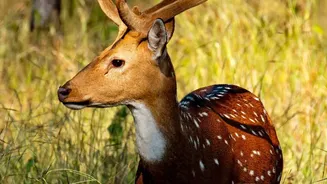
A forest without sufficient food is a death sentence for a reintroduced tiger. The single most critical factor for success is a healthy and abundant prey population. Conservation teams spend years working to increase the numbers of species like sambar, chital (spotted deer), wild boar, and nilgai. This process, known as prey augmentation, involves several strategies. Grasslands may be restored and managed to provide better forage for herbivores. Water sources are developed and maintained to support these prey animals year-round. In some cases, herbivores are translocated from other areas to boost the local population density. Scientists conduct regular surveys to ensure the prey base is dense enough to sustain not just a few tigers, but a growing, breeding population for years to come.
Creating an Inviolate Space
Tigers and dense human settlements cannot coexist. To create the tranquil, inviolate space necessary for tigers to thrive, one of the most complex and sensitive steps is the voluntary relocation of villages from the core area of the reserve. This is a carefully negotiated process, implemented with the goal of benefiting both people and wildlife. Under the NTCA's Voluntary Village Relocation Program, families are offered compensation packages that provide them with opportunities for better livelihoods, access to schools, healthcare, and electricity outside the forest. This challenging step reduces human-wildlife conflict, stops habitat degradation from livestock grazing, and gives the forest a chance to regenerate, turning it back into a true wilderness.
Winning Hearts and Minds
A reintroduction project cannot succeed without the support of the communities living in the buffer zones surrounding the reserve. Conservationists and forest departments engage in extensive outreach to explain the project's long-term benefits, such as improved ecosystem health and potential for eco-tourism. They work to build trust and create a sense of shared ownership over the conservation effort. This includes establishing systems for fair and prompt compensation for any livestock losses that might occur, reducing the risk of retaliatory actions against tigers. By making local people partners in conservation, the project ensures the tigers have protectors not just inside the park, but all around it.
The Final Preparations and Release
Once the habitat is ready, the focus shifts to selecting the right tigers. The animals chosen are typically young, healthy, and proven hunters, often sourced from a wild population with a similar genetic makeup to the one that was lost. Before their main release, the tigers are often held in a large, fenced-in 'in-situ' enclosure within the new reserve. This allows them to acclimate to the local climate, water, and environment. During this period, they are monitored closely via radio collars. Finally, when the team is confident the habitat is secure and the tiger is ready, the gates are opened. The work doesn’t stop there; intensive post-release monitoring tracks their movement, hunting patterns, and adaptation, ensuring these majestic predators have the best possible chance of reclaiming their ancestral home.