




What is the Spiti Valley?
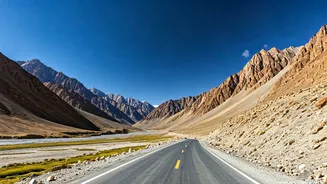
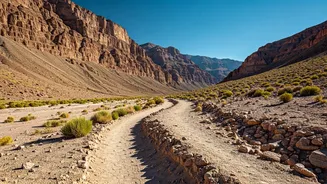
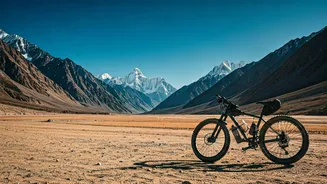
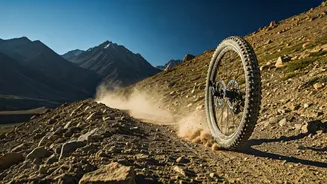
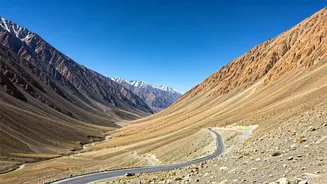
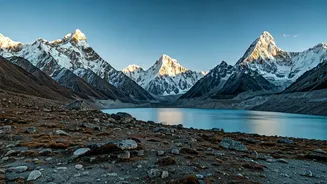
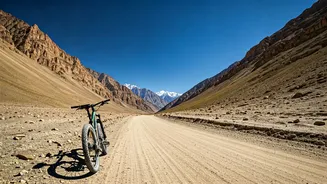
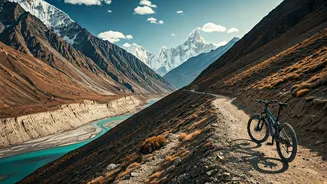
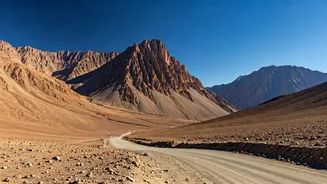
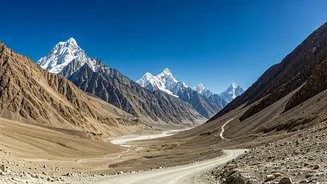
Picture a world painted in shades of brown, grey, and blue, tucked between India and Tibet. This is Spiti, which translates to “the middle land.” It’s a high-altitude desert, meaning it gets minimal rainfall, resulting in a stark, lunar landscape dotted
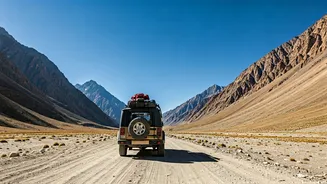
with tiny green oases and whitewashed villages. The culture is predominantly Tibetan Buddhist, and the sense of peace is palpable. Unlike the lush, green hills of more popular Himalayan destinations, Spiti’s beauty is raw, dramatic, and profound. It’s a place where the journey itself—navigating winding mountain roads and gawking at thousand-foot drops—is the main attraction.
Choosing Your Path: Two Roads to Paradise
There are two primary routes into Spiti, each offering a different experience. The most common circuit starts from Manali, a bustling tourist town. This route is shorter but more intense, crossing two high passes: Rohtang Pass and the breathtaking Kunzum Pass (over 15,000 feet). The rapid altitude gain makes this route challenging, but the views are immediately spectacular. The alternative is the longer, gentler route from Shimla, the former summer capital of British India. This road follows the Sutlej River and allows for gradual acclimatization over several days, making it a safer bet for those worried about altitude sickness. Many travelers do a full circuit: entering from Shimla and exiting via Manali, getting the best of both worlds.
Key Stops on the Circuit
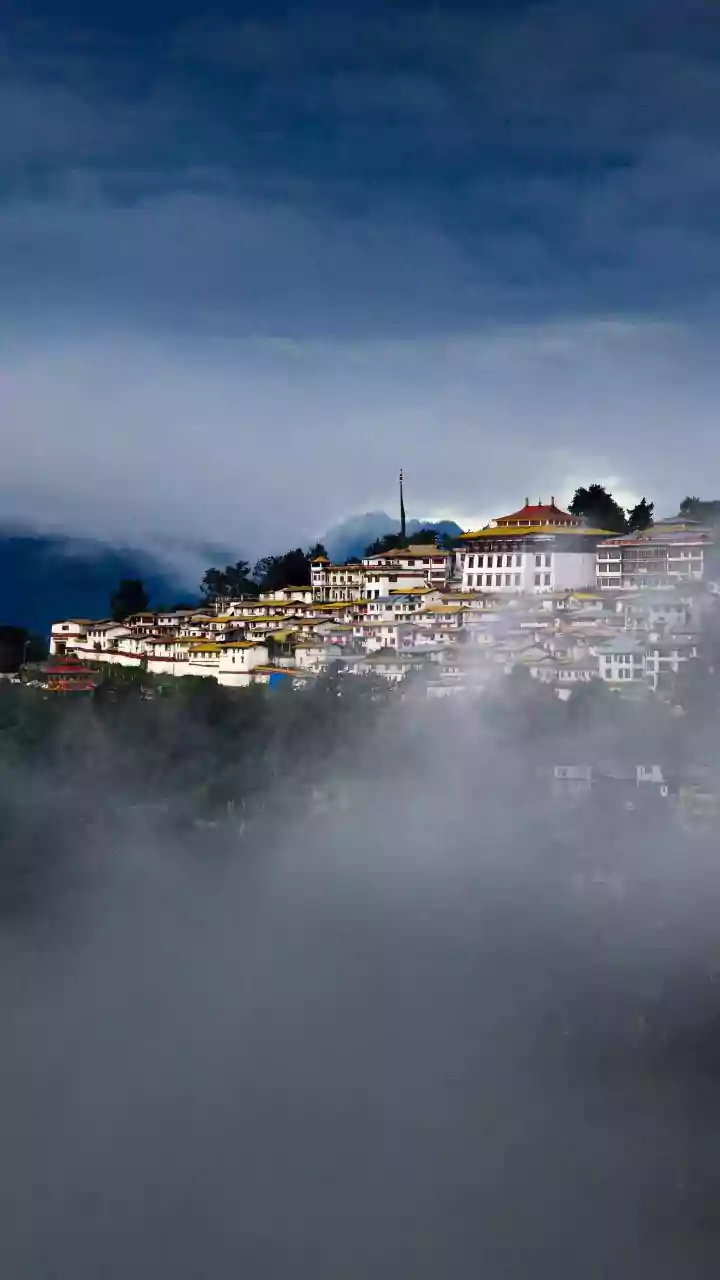
A Spiti road trip is a series of unforgettable stops. Kaza is the valley’s largest town and the best base for exploration. From there, you can visit the iconic Key Monastery, an ancient gompa perched dramatically on a hilltop, looking like something out of a fantasy epic. Don’t miss Tabo Monastery, a UNESCO World Heritage Site often called the “Ajanta of the Himalayas” for its stunning, original murals. For a truly dizzying view, make the harrowing drive up to Dhankar Monastery, which clings precariously to a cliff overlooking the confluence of the Spiti and Pin rivers. And for bragging rights, drive to Hikkim, home to the world’s highest post office, where you can mail a postcard to friends back home.
The Altitude Question: A Serious Matter
High altitude is no joke. Most of the Spiti Valley lies above 10,000 feet, and Acute Mountain Sickness (AMS) is a real risk. The key is acclimatization. Spend at least one night in a mid-altitude town like Kalpa (on the Shimla route) or Manali before ascending further. Once in Spiti, take it easy for the first day. Drink plenty of water, avoid alcohol, and eat light meals. Common symptoms of AMS include headache, nausea, and dizziness. If they persist or worsen, the only cure is to descend to a lower altitude immediately. Listening to your body is more important than sticking to a rigid itinerary.
Practicalities for the Road
The best time for this trip is from June to September, when the mountain passes are open and the weather is pleasant. You can’t rent a car and drive yourself; the roads are treacherous and require local expertise. The best option is to hire a sturdy vehicle (like a Toyota Innova or Mahindra Scorpio) with an experienced local driver in Manali or Shimla. Accommodations are basic but charming, ranging from simple guesthouses to local homestays that offer an authentic cultural experience. Pack layers—warm jackets for the cold nights and sun protection for the intense daytime sun. ATMs are few and far between (and often empty), so carry enough cash for the entire trip.