





The Trial by Fire
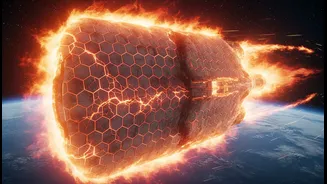
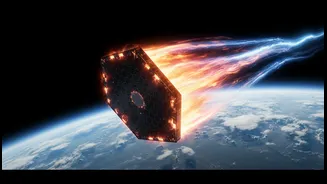
Atmospheric reentry is a brutal, high-stakes event. A spacecraft hurtling back from orbit or deep space, like NASA's Orion capsule for the Artemis missions, slams into the atmosphere at tremendous speeds. This encounter generates unimaginable heat and
pressure, turning the vehicle into a controlled meteor. Ensuring a spacecraft can withstand these forces, protect its human occupants, and land safely is a monumental engineering challenge. Every component, from the heat shield to the parachutes, must function perfectly. Failure is not an option, and the process of proving this reliability is known as human-rating certification, a rigorous stamp of approval from agencies like NASA.
Building a Virtual Spacecraft
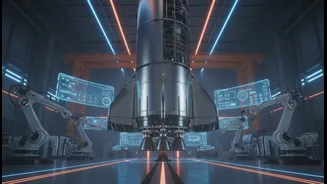
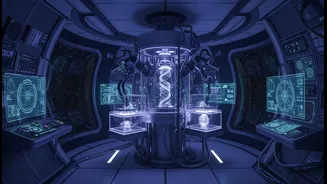
Before multi-million-dollar hardware is built, it is tested to its limits in the digital realm. Modern aerospace relies heavily on what are called 'digital twins'—-highly detailed, dynamic virtual models of a physical object or system. For a reentry vehicle, this means creating a precise software replica of the entire craft, from its structural frame to every wire and computer chip. Engineers use these digital twins to run thousands of simulated reentry scenarios. They can subject the virtual spacecraft to extreme temperatures, test aerodynamic stability at hypersonic speeds, and model how different materials will behave under stress, all without risking a single piece of real hardware.
Simulating Every Possibility
These are no simple computer games. Reentry simulations are incredibly complex, integrating data from wind tunnel tests, material science, and previous flights to create a hyper-realistic environment. The goal is to account for every variable and potential failure. What if a parachute deploys late? What if the heat shield experiences an unexpected level of erosion? What if a thruster fails during the final descent? These scenarios are run time and again in integrated simulations that test the hardware, software, and even the astronauts' responses in real time. This process allows engineers to identify and fix weaknesses in the design long before it ever reaches the launchpad. The data gathered is essential for the Human-Rating Certification Package (HRCP), a document that proves the system is safe for flight.
The Human in the Loop
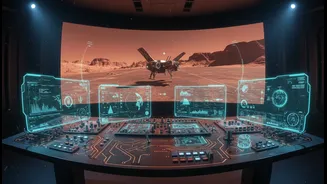
A spacecraft is only as good as the crew who operates it, especially during a high-pressure event like reentry. Therefore, a critical part of these comprehensive recreations involves 'human-in-the-loop' testing. Astronauts spend countless hours in advanced simulators that mimic the cockpit of their spacecraft. These simulators are linked to the digital twin, allowing the crew to practice reentry procedures and respond to simulated emergencies in a controlled, realistic environment. Their performance helps engineers refine control systems and procedures, ensuring that the human and machine elements work together seamlessly. This rigorous training and simulation are key parts of NASA's stringent human-rating requirements.
The Green Light for Future Missions
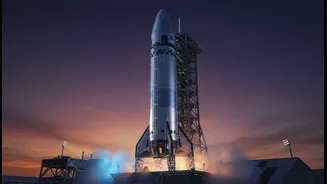
Ultimately, the data from thousands of hours of successful simulations forms the backbone of the safety case presented to regulatory bodies. Before NASA or any other space agency straps astronauts into a new vehicle, program managers must submit an exhaustive certification package demonstrating the system has met all safety requirements. For programs like Artemis, which aim to establish a sustained human presence on the Moon and eventually Mars, proving the reliability of the Orion spacecraft's reentry system is a non-negotiable milestone. Recent hardware tests on the Orion heat shield and stacking of boosters at Kennedy Space Center are tangible steps, but they are validated by this unseen world of digital testing. These comprehensive recreations are what give mission planners the confidence to green-light missions that will push the boundaries of human exploration.