






What Exactly Is the Push-Pull-Legs Split?
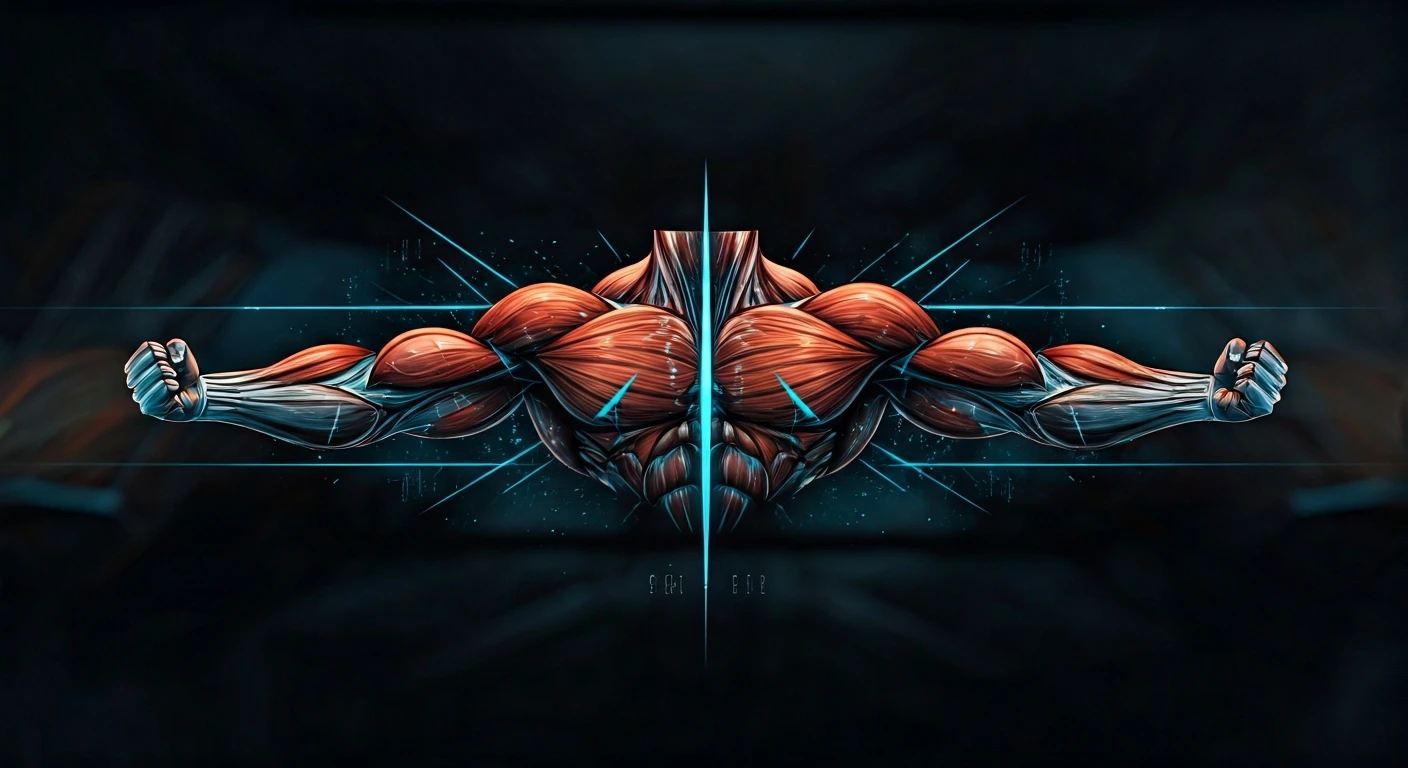
The Push-Pull-Legs (PPL) split is a popular and enduring workout routine that organizes your training based on movement patterns. Instead of dedicating days to specific body parts like 'chest day' or 'arm day', you group muscles that work together. A
typical PPL week is broken down into three types of workouts: * **Push Day:** You train the upper body muscles responsible for pushing movements. This includes the chest, shoulders, and triceps. * **Pull Day:** You focus on the upper body muscles used for pulling actions. This primarily means the back and biceps. * **Leg Day:** This workout targets the entire lower body, including the quadriceps, hamstrings, glutes, and calves.
The Key to Consistency: Simplicity and Structure
One of the main reasons PPL helps build better habits is its straightforward logic. It removes the classic gym dilemma: "What should I work on today?" By having a clear, simple structure, you walk into every session with a purpose. This clarity reduces decision fatigue and makes it easier to stay on track. The variety between push, pull, and leg days also keeps the routine engaging, which is crucial for long-term motivation and preventing the plateaus or boredom that can derail fitness goals.
Smarter Recovery for Better Performance
A major advantage of the PPL split is how it manages recovery. Because you group related muscles together, you also give them concentrated blocks of rest. For example, after a strenuous 'Push Day', your chest, shoulders, and triceps get a break while you work on your back and biceps during 'Pull Day'. This structure ensures that each muscle group generally receives at least 48 to 72 hours of recovery before being trained again, which is optimal for muscle repair and growth. Better recovery leads to less debilitating soreness, a lower risk of overtraining, and ensures you feel ready and capable for your next session.
How to Structure Your PPL Week
The PPL split is incredibly flexible and can be adapted to your schedule and fitness level. For beginners or those with busy schedules, a three-day-a-week routine is a fantastic starting point. An example would be: * **Monday:** Push * **Wednesday:** Pull * **Friday:** Legs * **Rest** on the other days. For those looking to increase their training frequency, a six-day split is also common, where you complete the PPL cycle twice in one week (e.g., PPLPPL, followed by a rest day). This approach increases the training volume for each muscle group, which can accelerate results for more intermediate and advanced lifters.
A Sample PPL Routine to Get Started
Getting started with PPL doesn't have to be complicated. The focus should be on compound movements—exercises that work multiple muscle groups at once—as they are incredibly efficient for building a strong foundation. Here is a basic template for a three-day split: * **Push Day:** Focus on movements like the Bench Press (barbell or dumbbell), Overhead Press, and Tricep Dips or Pushdowns. * **Pull Day:** Incorporate exercises such as Pull-Ups (or Lat Pulldowns), Barbell or Dumbbell Rows, and Bicep Curls. * **Leg Day:** Build your routine around staples like Squats, Deadlifts (or Romanian Deadlifts), and Lunges or Leg Press. Beginners should start with 2-3 exercises per workout, focusing on proper form before increasing the weight.