








The New Definition of Pet Parenthood
A fundamental cultural shift is underway in urban India: the 'humanization' of pets. Increasingly, millennials and Gen Z are not just pet owners but 'pet parents', viewing their animals as integral family members, sometimes even as substitutes for children.
This emotional bond is the primary engine driving the demand for premium goods and services. This change is reflected in staggering market growth. The Indian pet care market was valued at approximately ₹30,434 crore ($3.6 billion) in 2024 and is projected to surge to ₹2.1 lakh crore ($24.8 billion) by 2032. This explosive growth isn't just about selling more pet food; it’s about an entirely new ecosystem of premium care.
From Kibble to Gourmet Cuisine
The most significant spending occurs in pet nutrition, but the standards have dramatically evolved. Generic kibble is making way for specialised, premium options. Pet parents are now seeking out grain-free, organic, and even 'human-grade' meals for their companions. There's a rising demand for functional foods enriched with supplements like omega-3s and probiotics, as well as breed-specific and age-specific diets. This trend extends to treats, with searches for products like 'dog ice cream' climbing significantly. Some premium food options can cost as much as ₹1,200 per kilogram, highlighting the willingness of owners to invest heavily in their pet's diet and health.
A Universe of Pampering Services
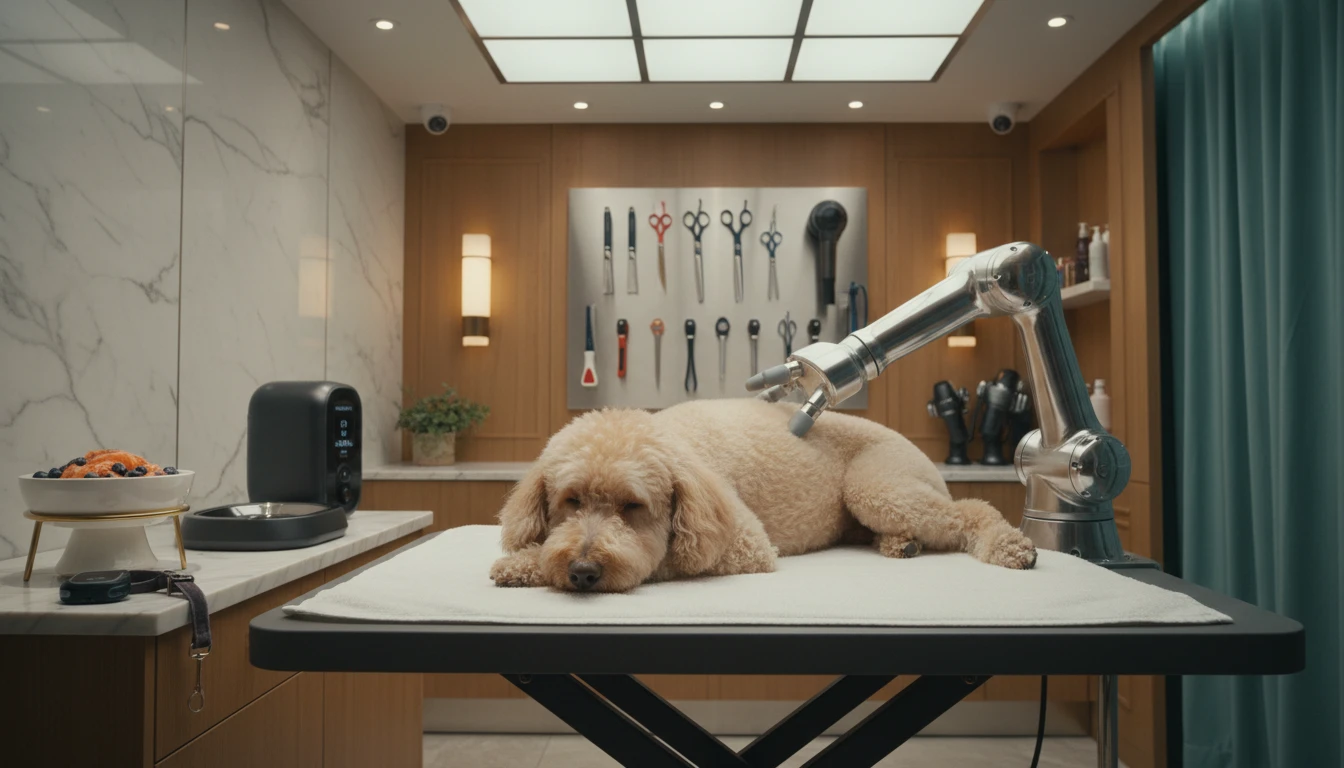
Beyond food, a vast service industry has emerged to cater to every conceivable need. Professional grooming is a cornerstone of this economy, with a standard session ranging from ₹500 to over ₹3,500. These are no longer just simple baths; they often include spa treatments, medicated baths, breed-specific haircuts, and paw massages. The services extend further to pet daycares, boarding facilities, behavioural training, and even pet-friendly travel arrangements. In major metros like Bengaluru, Delhi, and Mumbai, specialised vet clinics, pet spas, and dog-walking apps are becoming commonplace as disposable incomes rise and the number of nuclear, dual-income households increases.
The Drivers of the Boom
Several factors are fuelling this premiumisation. Rising disposable incomes and increased urbanisation are key drivers, giving people the financial capacity to spend more on their pets. The growth of nuclear families and a trend towards later marriages means pets often fill a crucial role for companionship. The COVID-19 pandemic accelerated this, with a surge in pet adoptions as people sought companionship during lockdowns. Furthermore, the rise of e-commerce and quick-commerce platforms has made premium products and services more accessible than ever, with online sales of pet products growing dramatically. This digital shift is not just confined to metros; Tier-II cities are showing rapid growth in demand for premium pet care, indicating a nationwide trend.
The Rise of Pet-Tech and Healthcare
Technology is also playing a significant role. Startups are entering the market with app-based solutions for everything from tele-veterinary consultations to booking grooming appointments. There's also a growing market for pet insurance to mitigate the high costs of advanced veterinary care, which can include everything from routine check-ups to expensive emergency surgeries. With a growing awareness of pet health and wellness, owners are investing more in preventive care, including vaccinations, dental hygiene, and regular check-ups, further professionalizing the industry and creating new business opportunities.